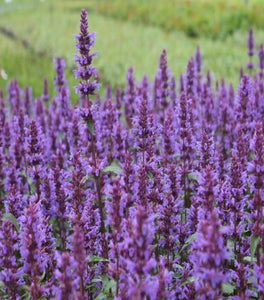
Images Depict Mature Plants
Poquito Orange Agastache
Agastache x hybrida POQUITO® Orange
Poquito Orange is a great little Agastache when you want hummingbird color but do not want a tall, floppy plant. The orange spikes are bright, the foliage is fragrant, and the compact habit makes it easy to use near walkways, in containers, or right up front in a sunny border. The one thing I would not compromise on is drainage. Give it full sun, let the soil dry a bit between waterings, and do not plant it where winter water sits around the crown.

15% OFF SITEWIDE, USE CODE 'SUMMERFAV15'
FREE SHIPPING ON ORDERS $99+
📦 Free shipping on orders over $99.
Delay shipping by leaving us a message at Checkout.
Share:


Poquito Orange Agastache Brings Compact Orange Color to Sunny Pollinator Gardens
Clear Orange Flower Spikes on a Compact Plant
Poquito Orange Agastache is a dwarf hummingbird mint with bright orange flower spikes held above fragrant green foliage. The plant stays short, bushy, and tidy, making it an excellent choice for homeowners who want the color and pollinator power of Agastache without the height of larger varieties. Its clear orange blooms add warm color to sunny borders, patio containers, rock gardens, and low-maintenance perennial beds.
The flower spikes are tubular, which makes them especially attractive to hummingbirds. Bees and butterflies also visit the blooms, bringing movement and life to the garden through summer. Use Poquito Orange where you want a compact perennial that looks cheerful, works hard for pollinators, and stays in scale near walkways, patios, and the front of sunny beds.
A Dwarf Hummingbird Mint for Containers and Small Spaces
Poquito Orange is part of a compact Agastache series bred for shorter, bushier growth and strong flowering. It typically grows around 10 to 15 inches tall and about 12 to 16 inches wide, with flower spikes rising just above the foliage. That smaller size makes it easier to use in containers, mixed planters, narrow borders, and small-space pollinator gardens.
Plant it as a bright seasonal accent in patio pots, repeat it along the edge of a sunny border, or group several together for a low sweep of orange flowers. It pairs well with Nepeta, Salvia, Coneflower, Coreopsis, Sedum, Gaillardia, Lavender, ornamental grasses, Yarrow, Russian Sage, and other sun-loving perennials that enjoy sharp drainage and leaner soil.
Long-Blooming Color From Summer Into Fall
Poquito Orange Agastache offers a long bloom window in the garden, with flower spikes appearing throughout the warm months and continuing into fall when conditions are right. The blooms are dense and showy for the plant's size, giving small spaces a strong color payoff without a large footprint.
Deadheading spent flower spikes can help keep the plant looking fresh and may encourage continued bloom. The flowers also make a strong pollinator garden feature because they provide nectar during the summer, when hummingbirds, bees, and butterflies are active and seeking reliable food sources.
Full Sun and Sharp Drainage Are the Keys to Success
Poquito Orange Agastache performs best in full sun and well-drained soil. Good drainage is especially important for Agastache, particularly in winter. Avoid heavy, wet clay or areas where water collects around the crown. If your soil stays damp, plant in a raised bed, berm, container, or amended sunny border where water drains freely.
Once established, Poquito Orange is drought-tolerant and does not need rich soil or heavy fertilizer. In fact, too much moisture or overly fertile soil can make Agastache less durable. Water regularly during establishment, then allow the soil to dry slightly between waterings. This plant prefers sunny, airy, well-drained conditions over constant moisture.
Deer Resistant, Fragrant, and Low Maintenance
The fragrant foliage gives Poquito Orange Agastache strong garden value beyond the flowers. The aromatic leaves help make Agastache less appealing to deer and rabbits, which is one reason homeowners use it in sunny, exposed plantings where browsing can be a problem. No plant is completely deer-proof, but Agastache is a reliable choice for deer-resistant perennial designs.
For winter care, avoid cutting the plant back too hard in the fall in colder climates. Leaving some stems in place can help protect the crown through winter. Cut back old stems in spring when new growth begins. With full sun, good airflow, and sharp drainage, Poquito Orange Agastache is a colorful, pollinator-friendly perennial that stays compact and easy to enjoy.

| Hardiness Zone: | 5-10 |
|---|---|
| Mature Height: | 10 to 15 Inches |
| Mature Width: | 12 to 16 Inches |
| Sunlight: | Full sun |
| Soil | Well-drained soil; moderately fertile to lean soil with excellent winter drainage |
| Water | Average to dry once established; water regularly during establishment |
| Bloom Time / Color | Summer into fall; clear orange tubular flower spikes |
| Foliage: | Medium green, fragrant foliage |
| Ornamental Features | Compact habit, orange flower spikes, fragrant foliage, long bloom season, pollinator value |
| Wildlife Value | Attracts hummingbirds, bees, and butterflies |
| Resistance | Deer resistant, rabbit resistant, drought tolerant once established, disease resistant in well-drained sites |
| Landscape Uses | Pollinator gardens, hummingbird gardens, containers, sunny borders, front-of-border plantings, rock gardens, cottage gardens, drought-tolerant gardens |
How to Care for Poquito Orange Agastache
aBe sure to read our planting instructions to ensure a healthy and happy Poquito Orange Agastache for years to come!

How should I plant Poquito Orange Agastache?
Plant Poquito Orange Agastache in full sun with well-drained soil. Choose a location that receives strong light and has excellent drainage, especially in winter. If your soil is heavy or stays wet, plant in a raised bed, berm, rock garden, or container with a well-draining potting mix. Dig a hole slightly wider than the root ball and set the plant so the crown is level with the surrounding soil. Backfill gently, water deeply, and avoid burying the crown too low. Space plants about 12 to 15 inches apart so air can move between them and the compact mounds have room to fill out.

How often should I water Poquito Orange Agastache after planting?
Water Poquito Orange Agastache deeply after planting and keep the soil lightly moist while the plant establishes. During the first few weeks, check the soil regularly and water when the top inch or two begins to dry. Containers may need water more often than plants in the ground. Once established, Poquito Orange is drought tolerant and prefers to dry slightly between waterings. Avoid constant moisture and soggy soil, especially in cool weather. Deep, occasional watering is better than frequent shallow watering once the plant has rooted into the garden.

When should I fertilize Poquito Orange Agastache?
Fertilize Poquito Orange Agastache lightly in spring if the soil is poor or growth is weak. In most garden beds, compost or a modest slow-release fertilizer is enough. Agastache generally performs best in moderately fertile to lean soil rather than rich, heavily fertilized soil. Avoid high-nitrogen fertilizer, which can push soft growth and reduce the plant’s natural durability. The best “fertilizer” for Agastache is often the right site: full sun, sharp drainage, good airflow, and soil that does not stay wet.

When and how should I prune / cut back Poquito Orange Agastache?
Deadhead spent flower spikes during the growing season if you want a tidier look and continued bloom. Use clean pruners to remove faded spikes just above a set of leaves. This helps keep the compact plant fresh and encourages new flower stems. In colder climates, avoid cutting Agastache all the way to the ground in fall. Leave some stems standing to help protect the crown through winter, then cut back old growth in spring when new growth begins. Remove any winter-damaged stems and allow the new shoots to fill in.