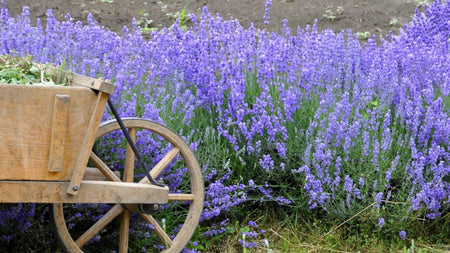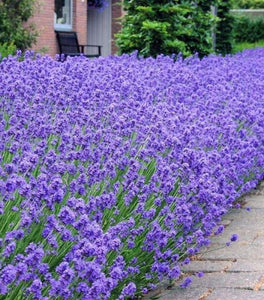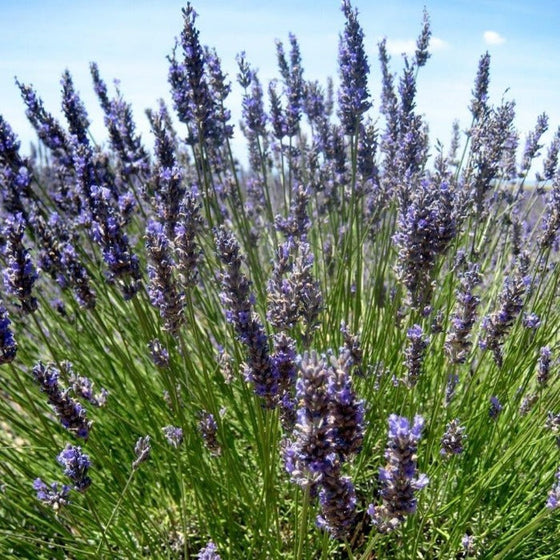
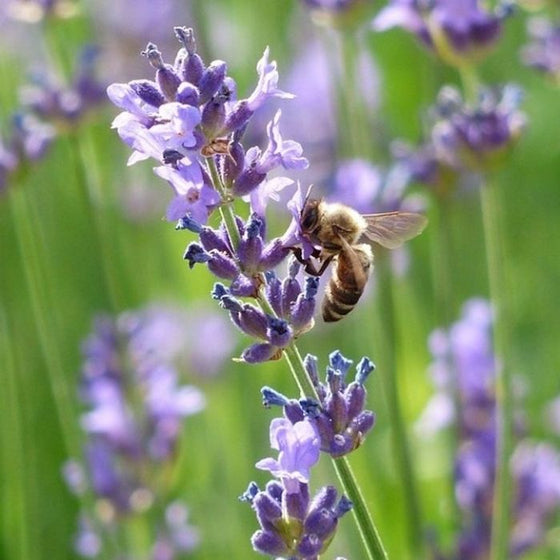
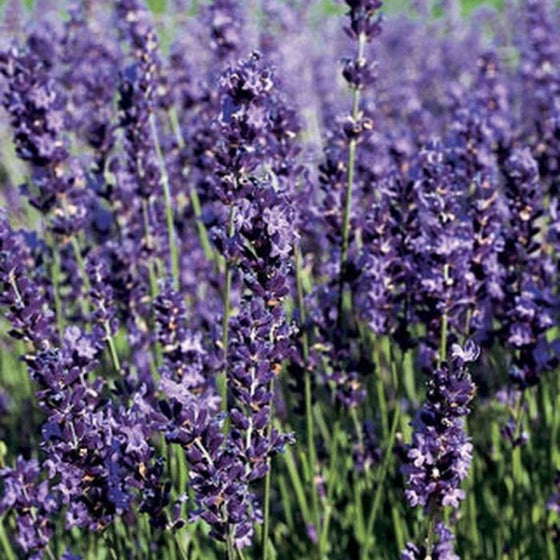
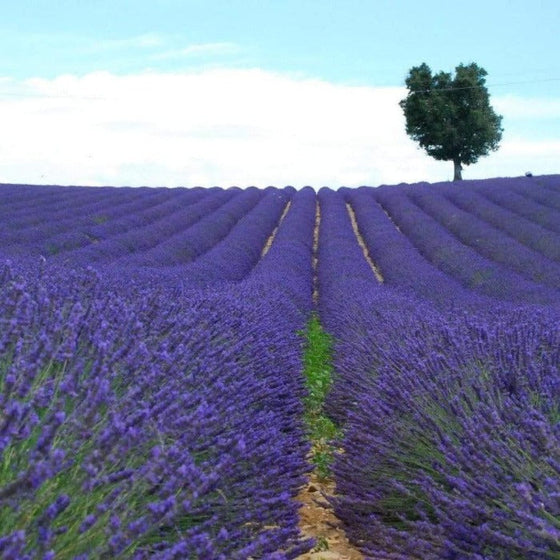


Images Depict Mature Plants
Provence Lavender
Lavandula x intermedia 'Provence'
Provence Lavender is the one I would choose when fragrance and harvest value are the top priorities. It has that classic lavender-field look with tall purple flower stems, aromatic foliage, and a soft silver texture that works beautifully along sunny paths, herb gardens, patios, and cottage borders. The main rule is simple: do not overwater it. Give Provence Lavender full sun, sharp drainage, and a light hand with fertilizer, and it will reward you with flowers you can enjoy indoors and out.

15% OFF SITEWIDE SALE
Use Code 'PRIMETIME15' At Checkout
📦 Free shipping on orders over $99.
Delay shipping by leaving us a message at Checkout.
Share:



Fragrant Purple Lavender for Herb Gardens, Borders, and Bouquets
Classic Lavender Fragrance with French Garden Style.
Provence Lavender is a highly fragrant lavandin grown for its purple flower spikes, silvery-green foliage, and classic Mediterranean garden appeal. Named for the lavender-growing region of Provence, France, this variety brings the look and scent of lavender fields into sunny home landscapes. Use it in herb gardens, cottage borders, pollinator plantings, low hedges, containers, and cut flower beds where fragrance matters as much as color.
Tall Flower Stems for Cutting and Drying.
Provence Lavender produces slender purple flower spikes on tall stems in summer, making it a strong choice for fresh bouquets, dried bundles, sachets, wreaths, and fragrant indoor arrangements. The flowers retain their scent well when properly harvested and dried. Even when not in bloom, the aromatic foliage adds texture, fragrance, and a cool silver-green contrast to sunny plantings.
Pollinator Friendly and Deer Resistant.
The fragrant purple blooms attract bees, butterflies, and other beneficial pollinators during the summer flowering season. At the same time, the aromatic oils that make lavender so useful to gardeners help make it less appealing to deer. No plant is completely deer-proof, but Provence Lavender is a strong option for sunny landscapes where deer resistance and pollinator value are both important.
Drought-tolerant once established.
Once established, Provence Lavender performs well in dry, sunny landscapes and usually needs little supplemental water. It is a good fit for gravel gardens, herb gardens, rock gardens, sunny foundation beds, cottage gardens, and low-water perennial borders. Avoid rich, wet soil and heavy fertilizer, which can encourage soft growth and reduce the dense, aromatic habit lavender is known for.
Best in Full Sun and Excellent Drainage.
Plant Provence Lavender in full sun with sharply drained soil. Raised beds, slopes, gravelly soil, sandy soil, and containers with drainage holes can all help improve long-term success. In humid climates, air circulation and dry crowns are especially important. Avoid overwatering, wet winter soil, and heavy mulch against the stems. Prune lightly after flowering and again in spring as needed to maintain a compact, full plant.
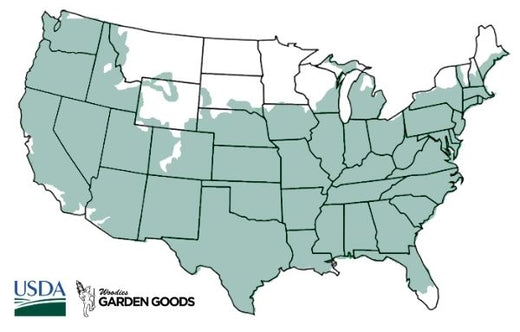
| Hardiness Zone: | 5 to 9 |
|---|---|
| Mature Height: | 2 to 3 feet |
| Mature Width: | 2 to 3 feet |
| Sunlight: | Full sun |
| Soil | Lean to average, sandy, gravelly, or sharply well-drained soil |
| Water Requirements: | Low once established; water regularly during establishment |
| Bloom Time / Color | Summer; fragrant purple to lavender-blue flower spikes |
| Foliage | Evergreen to semi-evergreen in mild climates; may show winter dieback in colder zones; Aromatic gray-green to silver-green foliage |
| Ornamental Features | Fragrant flowers, silver foliage, long flower stems, mounded habit, cut and dried flower value |
| Wildlife Value | Flowers attract bees, butterflies, and other pollinators |
| Resistance | Deer resistant, drought tolerant once established, heat tolerant, low maintenance when properly drained |
| Landscape Uses | Herb gardens, pollinator gardens, sunny borders, low hedges, cottage gardens, containers, rock gardens, gravel gardens, cut flower gardens, dried arrangements, foundation plantings |
How to Care for Provence Lavender
Be sure to read our planting instructions to ensure a healthy and happy Provence Lavender plant for years to come!

How should I plant Provence Lavender?
Plant Provence Lavender in full sun where the soil drains quickly. Choose sandy, gravelly, or well-drained average soil and avoid low areas where water collects. In heavy soil, improve drainage by planting on a mound, in a raised bed, on a slope, or in a container with drainage holes. Dig a hole about twice as wide as the root ball and no deeper than the container. Set the crown level with the surrounding soil, backfill gently, and water thoroughly. Avoid burying the crown or piling heavy mulch against the stems. In wet or humid climates, a light gravel mulch can help keep the crown drier than wood mulch.
-v1780585844876.png?89x84)
How often should I water Provence Lavender after planting?
Water Provence Lavender deeply after planting and keep the soil lightly moist while roots establish. During the first growing season, water when the top few inches of soil become dry, especially during hot, windy, or dry weather. Once established, Provence Lavender is drought-tolerant and prefers to dry slightly between waterings. Avoid frequent shallow watering and avoid constantly wet soil. Overwatering is one of the most common reasons lavender declines, especially in humid climates or heavy soils.
-v1780585848098.png?90x89)
When should I fertilize Provence Lavender?
Provence Lavender usually needs little to no fertilizer in average garden soil. If growth is weak, apply a light layer of compost or a very low-rate slow-release fertilizer in spring. Avoid heavy feeding, especially with high-nitrogen fertilizer. Rich soil and excess fertilizer can produce soft leafy growth with fewer flowers and less fragrance. Full sun, sharp drainage, and lean soil are more important than fertility.

When and how should I prune Provence Lavender?
Prune Provence Lavender lightly after the main bloom period to remove spent flower stems and shape the plant. Trim only into leafy growth and avoid cutting hard into old bare wood, because lavender may not regrow well from woody stems. In spring, remove winter-damaged tips and lightly shape the plant once new growth begins. Regular light pruning helps keep lavender compact, full, and less woody over time. Avoid heavy fall pruning in cold climates, where tender new growth may be damaged by winter weather.