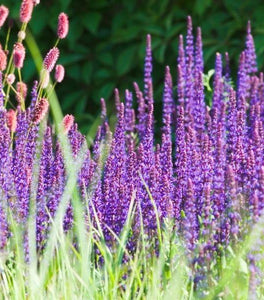
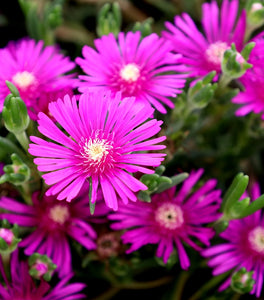
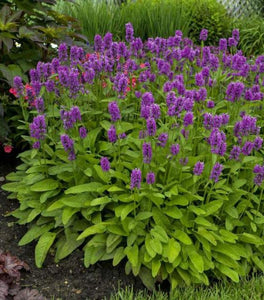
Images Depict Mature Plants
Butterfly Blue Pincushion Flower
Scabiosa columbaria 'Butterfly Blue'
Butterfly Blue Pincushion Flower is a great pick when you want a soft blue color without a big, bulky plant. The flowers are charming, butterflies love them, and the compact habit makes it easy to tuck them into borders, containers, and cottage gardens. Give it full sun, good drainage, and regular deadheading, and it will keep sending up those lavender-blue blooms for a long stretch of the season.

15% OFF SITEWIDE SUMMER SALE
Use Code HELLOSUMMER15 at Checkout!
📦 Free shipping on orders over $99.
Delay shipping by leaving us a message at Checkout.
Share:



A Compact Blue Pincushion Flower with Long-Lasting Summer Color
Lavender-Blue Flowers on a Compact Perennial
Butterfly Blue Pincushion Flower is a compact perennial grown for its soft lavender-blue blooms, tidy mounding habit, and long flowering season. The rounded pincushion-like flowers rise on slender stems above neat green foliage, adding airy color and movement to sunny borders, pollinator gardens, containers, and cottage-style plantings.
This Scabiosa is especially useful where gardeners want blue-toned flowers without a large plant. Its compact size makes it easy to place near the front of a border, along a walkway, in patio containers, or in mixed perennial beds where a softer flower form can help balance bolder summer blooms.
Pincushion Blooms from Spring or Early Summer into Fall
Butterfly Blue Scabiosa is known for a long bloom period, often flowering from late spring or early summer into fall when plants are kept deadheaded and growing conditions are favorable. The flowers have a distinctive pincushion shape, with a rounded center and delicate outer petals that give them a light, charming look.
The lavender-blue color blends beautifully with pink, white, purple, silver, yellow, and burgundy garden combinations. The blooms are also useful for fresh cutting, where their slender stems and soft flower form add texture to small bouquets and mixed arrangements.
Perfect for Borders, Containers, Pollinator Gardens, and Cottage Plantings
Butterfly Blue Pincushion Flower fits naturally into full sun perennial borders, butterfly gardens, pollinator beds, cottage gardens, rock gardens, edging plantings, and containers. Its smaller size makes it especially valuable in tight spaces where a tall perennial would feel too heavy.
Plant it in groups for a stronger color display, or repeat it through a border for soft rhythm. It pairs well with salvia, catmint, dianthus, coreopsis, coneflower, yarrow, lavender, sedum, ornamental grasses, and other sun-loving perennials. In containers, it provides long-lasting color without overwhelming companion plants.
Deer Resistant, Pollinator Friendly, and Drought Tolerant Once Established
Butterfly Blue Scabiosa attracts butterflies, bees, and other beneficial pollinators with its open, nectar-rich flowers. The long bloom season makes it especially valuable in pollinator-friendly gardens, where continuous flowers help keep beneficial visitors active through the growing season.
This plant is generally considered deer-resistant and drought-tolerant once established. It performs best in full sun with well-drained soil and good airflow. While it can handle some dry conditions after establishment, it does not like wet, heavy soil or winter moisture that lingers around the crown.
Easy Care with Full Sun, Drainage, and Regular Deadheading
Plant Butterfly Blue Pincushion Flower in full sun with average, well-drained soil. Light afternoon shade can be helpful in very hot climates, but too much shade may reduce flowering. Good drainage is especially important for long-term performance.
Water regularly after planting until roots establish, then water during extended dry periods as needed. Deadhead spent flowers often to encourage continued bloom and keep the plant tidy. Avoid overly wet soil, and protect the crown from winter wet where drainage is poor.
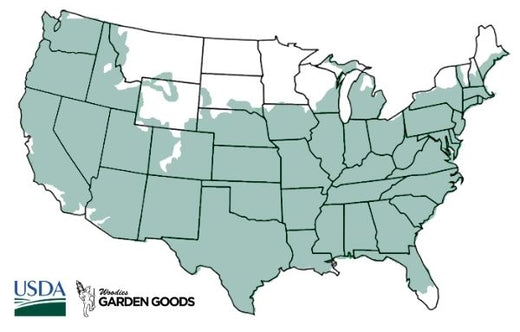
| Hardiness Zone: | 5-9 |
|---|---|
| Mature Height: | 12 to 18 inches |
| Mature Width: | 12 to 15 inches |
| Sunlight: | Full sun; tolerates light afternoon shade in hot climates |
| Soil Condition: | Average, well-drained soil; avoid wet heavy soil and winter wet |
| Water Requirements: | Water regularly after planting; drought tolerant once established |
| Bloom Time / Color: | Late spring or early summer to fall; lavender-blue pincushion flowers |
| Ornamental Features | Lavender-blue pincushion flowers, compact habit, long bloom season, airy stems, cut flower value |
| Wildlife Value | Attracts butterflies, bees, and beneficial pollinators |
| Resistance | Generally deer resistant; drought tolerant once established; dislikes wet soil and poor drainage |
| Landscape Uses | Sunny borders, pollinator gardens, butterfly gardens, cottage gardens, containers, edging, rock gardens, cut flower gardens |
How to Care for Butterfly Blue Pincushion Flower
After purchasing your Blue Pincushion Flower, be sure to read our recommended care instructions to ensure this perennial is happy and healthy for years to come.

How should I plant Butterfly Blue Pincushion Flower?
Plant Butterfly Blue Pincushion Flower in full sun with average, well-drained soil. Choose a location where the soil drains freely after rain or watering. Avoid low spots, heavy clay, or areas that stay wet in winter. Dig a hole about as wide as the root ball and just as deep. Set the crown level with the surrounding soil, backfill gently, and water thoroughly. Space plants about 12–15 inches apart for a fuller planting or slightly farther apart in mixed perennial beds.

How often should I water Butterfly Blue Pincushion Flower after planting?
Water Butterfly Blue Pincushion Flower deeply after planting, then keep the soil lightly moist while roots establish. During the first growing season, water when the top few inches of soil feel dry, especially during hot or windy weather. Once established, Butterfly Blue Scabiosa can tolerate short dry periods, but it flowers best with moderate moisture and good drainage. Avoid soggy soil, especially in winter, because wet crowns and poor drainage can shorten the plant’s life.

When should I fertilize Butterfly Blue Pincushion Flower?
Butterfly Blue Pincushion Flower usually needs only light feeding. In average garden soil, a spring application of compost or a mild slow-release fertilizer is enough to support healthy growth and bloom. Avoid heavy fertilizer, especially high-nitrogen products that encourage soft foliage growth instead of flowers. Good sun, drainage, and regular deadheading are more important than frequent feeding.ertilize lightly in spring as new growth begins, especially if your soil is lean. A balanced, slow-release fertilizer or a top-dressing of compost is usually enough to support steady flowering without forcing soft, floppy growth. Avoid heavy feeding or overly rich soil, which can reduce stem strength and shorten the plant’s tidy habit. If you want a midseason boost, a small follow-up feeding after a trim-back can help encourage fresh growth and another flush of flowers, but keep it modest.

When and how should I prune Butterfly Blue Pincushion Flower?
Prune Butterfly Blue Pincushion Flower by deadheading spent blooms regularly. Cut faded flower stems back to the foliage or to a lower branching point to encourage continued flowering. If the plant looks tired in midsummer, trim lightly to refresh the mound and encourage new growth. In late fall or early spring, remove old foliage and stems before new growth begins.