
Clean Air Houseplants
Fresh-looking rooms, calmer routines, and easy-care greenery that earns its keep.
“Clean air” houseplants are the easiest way to make a room feel more alive—fast. This collection focuses on the classics people reach for when they want plants that look great, tolerate real-life schedules, and bring that fresh, finished feel to a home or office: pothos, snake plants, peace lilies, palms, spider plants, dracaena, and philodendrons are all featured here. The visual payoff is immediate—upright, sculptural leaves for corners; trailing vines for shelves; lush, glossy foliage for coffee tables—while the care stays approachable (think bright indirect light to low light for many choices, plus watering that’s more “check the soil” than “set a timer”). Add in the simple joy of tending something living, and you’ve got décor that also supports day-to-day well-being—exactly the kind of plant ownership the We Grow Together Promise is built around.
Now for the honest truth about the “air purifying” part: plants can remove some volatile organic compounds (VOCs) in controlled, sealed-chamber studies (including the famous NASA work), but large review work shows that the effect in typical buildings is generally too small/slow to meaningfully change indoor air quality compared with normal air exchange and other controls. The best “clean air” play is a practical one: enjoy the plants for beauty, routine, and comfort, and pair them with source control (watch for common VOC sources like paints/solvents/cleaners), ventilation when possible, and filtration if you need it. You still get the everyday benefits of greenery—and you set expectations that build trust.
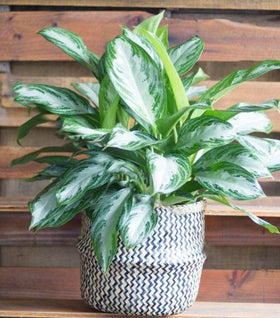
Aglaonema ‘Silver Bay’ (Silver Bay Chinese Evergreen)
As Low As $43.95

Aglaonema ‘Sparkling Sarah’ (Sparkling Sarah Chinese Evergreen)
$69.95
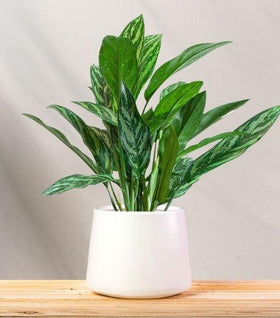
Aglaonema ‘Tigress’ (Tigress Chinese Evergreen)
$79.95
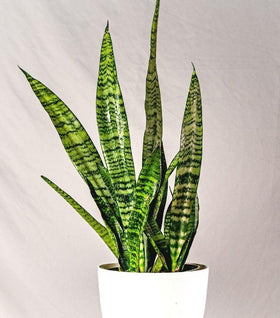
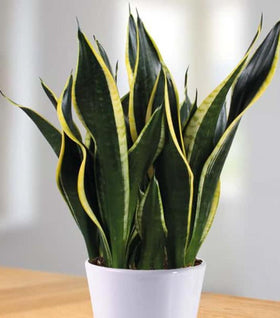




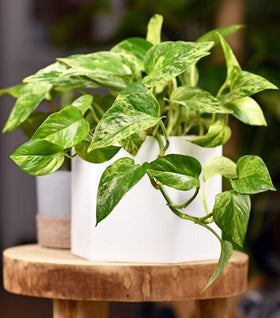
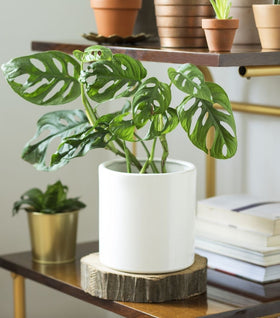
Monstera adansonii (Swiss Cheese Vine)
As Low As $32.95

Monstera deliciosa (Swiss Cheese Plant)
As Low As $32.95

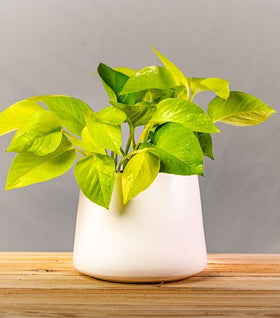
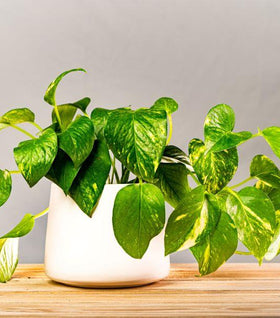
Neon Pothos (Epipremnum aureum ‘Neon’)
As Low As $36.95
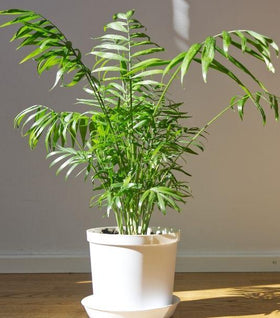
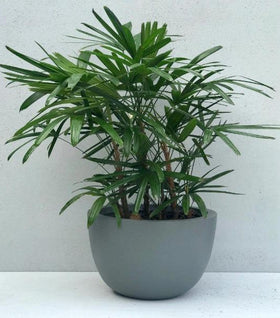
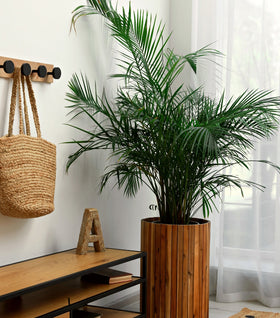
Parlor Palm (Chamaedorea elegans)
As Low As $11.95

Peace Lily (Spathiphyllum)
As Low As $29.95


Philodendron hederaceum ‘Lemon Lime’
$49.95
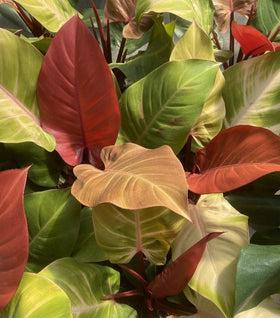
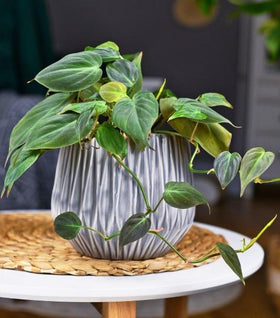
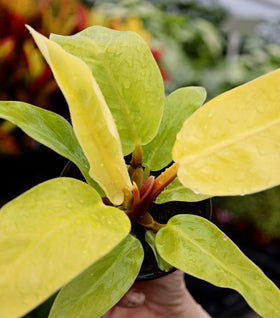

Pink Princess Philodendron
As Low As $28.95


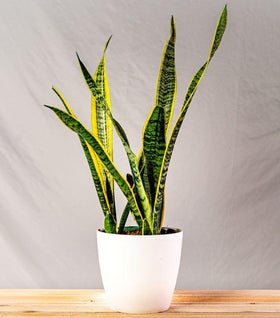
Sansevieria Futura Superba
As Low As $29.95

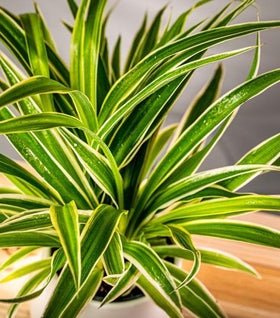
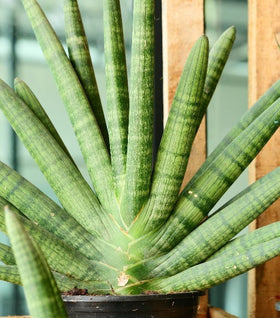
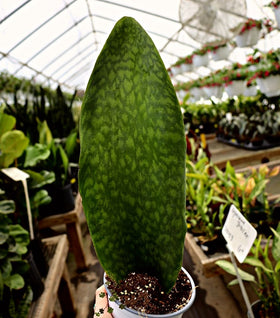

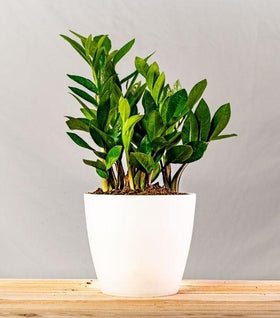
Create a fresher-feeling home with “clean air” houseplants.
If you’ve ever walked into a room and felt like something was missing, it’s usually life—texture, color, and that soft sense of “this space is cared for.” Clean-air houseplants deliver that instantly, because they’re greenery with presence: tall leaves that frame a corner, vines that soften hard lines, and glossy foliage that makes a room look finished. This collection includes many of the most popular “air plant” names people search for—peace lilies, palms, philodendrons, snake plants, spider plants, pothos, and more—so you can match the look to the room (minimalist, jungle, modern, classic) without making care complicated.
It’s also worth defining what “clean air” means in plain English. NASA research showed that plants could reduce certain VOCs in sealed environments, which sparked decades of “air purifying plant” lists. Later analysis and reviews point out that what works in small chambers over long periods doesn’t translate neatly to a normal house with typical ventilation and air exchange—so plants shouldn’t be positioned as a replacement for source control, ventilation, or filtration if you have an air-quality concern. The most trustworthy promise is this: these plants improve how your home feels, and they can be part of an overall indoor-air strategy.
For the highest impact, think in clusters and “zones.” Put a tough, upright plant where you’ll forget it (entry, hallway, office corner), then place a more expressive plant where you’ll enjoy it daily (kitchen counter, desk, bedside). Many favorites here are tropical understory plants, which is why they’re often comfortable in low- to medium-level indoor light. And if you’re dealing with dry indoor air, plants can modestly increase humidity through evapotranspiration—another reason rooms with greenery can feel better day to day.
Pick the shapes and sizes that fit your rooms.
You’re not choosing “a plant”—you’re choosing a silhouette. Snake plants give a clean, vertical line that reads modern and tidy, and extension references describe typical indoor forms around a couple of feet tall (often taller with time and the right conditions). Peace lilies bring a fuller, clumping look with the bonus of occasional indoor blooms, and references commonly note they’re often around 2–3 feet indoors (larger with age and variety). Pothos and heartleaf philodendron trail or climb, so they’re perfect for shelves, hanging baskets, and bookcases—anywhere you want greenery that drapes and moves.
Growth rate is mostly a light-and-watering story. In brighter indirect light, vines and many foliage plants tend to grow faster; in lower light, they grow more slowly but remain attractive (often with fewer new leaves per month). The “easy-care” winners typically share the same fundamentals: well-draining potting mix, a container with drainage, and watering only after the top portion of soil dries—because soggy roots are the fastest route to decline. That’s why low-fuss plants like snake plants and ZZ plants have such a loyal following: they forgive missed waterings far better than they forgive constant wet soil.
Seasonal interest for houseplants is year-round—your “bloom window” is essentially “whenever the plant is happy.” Most foliage plants are grown for leaves, not flowers, but a few (notably peace lilies) can bloom indoors under good care. You can also “design” seasonality by where you place plants: brighter windows in spring/summer for growth, then a slightly steadier, protected spot in winter when light drops and homes dry out. The result is a collection that looks good every month, not just one season.
Place them where light and lifestyle line up.
Most “clean air” houseplants are adaptable, but they do best when you respect light. Bright indirect light is the sweet spot for many tropical foliage plants (think: near a window, not roasting in direct sun), while several classics tolerate lower indoor light. Snake plant references, for example, list broad tolerance from sun/partial shade in their native/outdoor context, which aligns with why they adapt well indoors across a range of placements. For peace lilies and many philodendrons, too much direct sun can scorch leaves, while low-to-medium indoor light keeps them looking clean and lush.
Spacing indoors is about airflow and convenience. Give leaves enough room that they don’t stay pressed against curtains or walls, rotate pots occasionally for even growth, and avoid cramming plants so tightly that watering becomes a spill-fest. If you like the “cluster look,” keep it intentional: group pots for visual impact, but leave enough breathing room that foliage dries after watering and pests are easy to spot. And if you’re placing plants in kitchens/baths, remember humidity can help some tropicals—just don’t let “humid room” turn into “constantly wet soil.”
One more placement note for warm climates: some common houseplants can become invasive if planted outdoors in the right conditions. UF/IFAS resources flag pothos (Epipremnum) and some Monstera species as invasive concerns in parts of Florida and advise against planting them outdoors there. Indoors, they’re great; outdoors, it’s smart to treat them as houseplants only unless you’ve confirmed they’re appropriate and non-invasive for your region.
Grow with confidence using simple care and smart safety.
Watering is where most houseplants live or die, and the “clean air” favorites are happiest with a simple rule: water thoroughly, then let the mix dry partially before watering again. Snake plant guidance emphasizes avoiding water sitting in the center of the rosette and keeping roots out of constantly wet conditions—both practical habits that prevent rot. Pair that with a pot that drains and a soil mix that doesn’t stay soggy, and you’ve solved the most common failure point for beginners. Fertilizing is optional but helpful during active growth (often spring through early fall), and repotting is typically a “when needed” task when roots fill the pot or growth slows.
Pruning timing for houseplants is flexible: you’re mostly removing yellow leaves, trimming vines to shape, and cutting back damaged foliage whenever you notice it. Trailing plants like pothos and heartleaf philodendron respond well to trimming because it encourages branching and a fuller look. Peace lilies benefit from removing spent blooms and older leaves at the base, which keeps the plant tidy and directs energy into fresh growth. Think of pruning here as “maintenance for aesthetics and vigor,” not a strict seasonal chore like outdoor shrubs