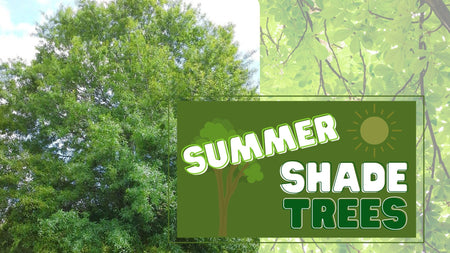
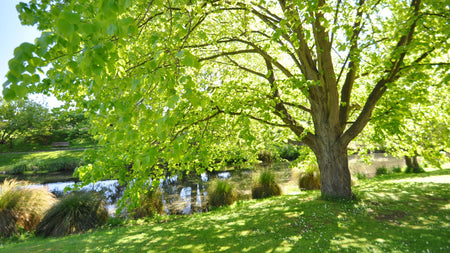
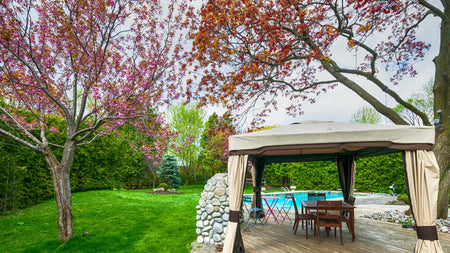
Images Depict Mature Plants
Nuttall Oak Tree
Quercus texana
Nuttall Oak is a great choice when you want a fast-growing native oak and your site has heavy soil or seasonal wetness. It gives you strong shade, good red-orange fall color, and the wildlife value that makes oaks so important. I would use it in large sunny spaces where the tree has room to mature and where acorn drop is part of the plan, not a maintenance problem.

20% OFF NON-SALE PRODUCTS, USE CODE 'LABORDAY20'
📦 Free shipping on orders over $99.
Delay shipping by leaving us a message at Checkout.
Share:

A Fast-Growing Native Oak for Shade, Fall Color, and Tough Soils
A Native Red Oak Built for Strong Shade
Nuttall Oak Tree is a large native deciduous oak valued for fast growth, strong structure, red-orange fall color, and dependable shade. Also known as Nuttall’s Oak or Texas Red Oak, this species belongs to the red oak group and develops into a stately shade tree with a rounded canopy over time.
This is a smart choice for homeowners who want the strength and wildlife value of a native oak with faster establishment than many slower-growing oak species. Use Nuttall Oak in large yards, open lawns, parks, streetscapes, naturalized areas, and wildlife plantings where long-term canopy, shade, and seasonal interest are priorities.
Red-Orange Fall Color and Classic Oak Character
Nuttall Oak offers attractive green foliage throughout the growing season, then shifts to rich red, orange-red, and reddish autumn tones. Fall color can vary by weather, soil, moisture, and region, but this species is widely valued for stronger fall color than many large shade oaks.
In spring, small yellow-green oak flowers appear in catkins, followed by acorns as the tree matures. The leaves, branching habit, bark, and acorn production give Nuttall Oak the classic character homeowners expect from a large native oak tree.
Excellent for Wet Soils, Clay Soils, and Bottomland Sites
One of the biggest advantages of Nuttall Oak is its tolerance of heavy, seasonally wet soils. It is native to bottomland forests, floodplains, and lowland sites, making it especially useful where many shade trees struggle with compacted clay or seasonal moisture.
Nuttall Oak is not a permanent swamp tree, but it is a strong option for sites with heavy soil, periodic wetness, or slower drainage. Once established, it can also adapt to average landscape soils. This combination of wet-soil tolerance and landscape performance makes it useful for both residential and municipal plantings.
Wildlife Value from a Long-Lived Native Tree
Like other native oaks, Nuttall Oak provides important wildlife value. Mature trees produce acorns that feed birds, squirrels, deer, and other mammals. The canopy also provides shade, seasonal cover, and habitat value in larger landscapes.
Because acorns drop seasonally, plant Nuttall Oak where acorn litter will not be a problem. It is best used in lawns, open spaces, park-like settings, wildlife gardens, and larger properties rather than directly over patios, pools, sidewalks, or high-cleanup areas.
Easy Care with Sun, Space, and Establishment Watering
Plant the Nuttall Oak in full sun with room for its mature canopy and root system. Although it tolerates wet, heavy soils, newly planted trees still need proper establishment care. Water deeply after planting and during dry periods while the tree is young.
Mulch the root zone to protect roots and reduce mower damage, keeping mulch away from the trunk. Prune young trees during dormancy to develop strong structure, a central leader, and good branch spacing. Once established, Nuttall Oak becomes a durable, low-maintenance shade tree for generations.
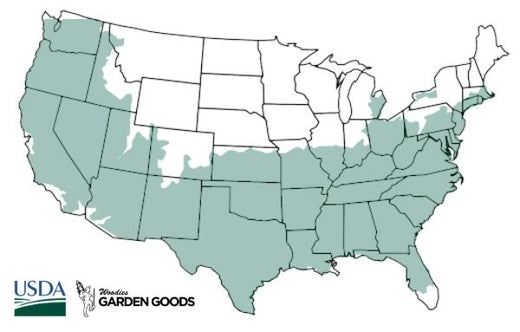
| Hardiness Zone: | 6-9 |
|---|---|
| Mature Height: | 50 to 80 feet |
| Mature Width: | 40 to 60 feet |
| Sunlight: | Full sun |
| Soil | Adapts to wet, heavy, clay, acidic, and average landscape soils; especially useful in bottomland or seasonally wet sites |
| Water | Water regularly after planting; tolerates wet soil and periodic flooding; adaptable once established |
| Bloom Time / Color | Spring; yellow-green catkins and small inconspicuous flowers |
| Ornamental Features | Fast growth, rounded canopy, red-orange fall color, strong shade, native oak character |
| Wildlife Value | Acorns feed birds and mammals; canopy provides habitat, shade, and cover |
| Resistance (deer/disease/drought/etc.) | Tolerates heavy clay, seasonally wet soils, and periodic flooding; adaptable native shade tree |
| Landscape Uses | Large shade tree, lawn tree, street tree, park tree, wildlife tree, native planting, restoration planting, wet-site tree, open-space tree |
How to Care for Nuttall Oak Tree
Be sure to read our planting instructions to ensure a healthy and happy Nuttall Oak Tree for years to come!
-v1781811622595.png?92x91)
How should I plant Nuttall Oak Tree?
Plant Nuttall Oak Tree in full sun with plenty of room for mature height, canopy spread, and root development. Choose a large open site away from overhead wires, buildings, narrow planting strips, septic systems, and tight foundation beds. Dig a hole about twice as wide as the root ball and just as deep. Set the root flare slightly above the surrounding soil line, backfill with native soil, and water thoroughly. Apply mulch over the root zone, keeping mulch several inches away from the trunk.
-v1781811623383.png?89x84)
How often should I water Nuttall Oak Tree after planting?
Water Nuttall Oak deeply after planting, then keep the root zone evenly moist while the tree establishes. During the first growing season, water when the top few inches of soil begin to dry, especially during heat, drought, or windy weather. Nuttall Oak tolerates seasonally wet soil and periodic flooding better than many shade trees. Once established, it becomes adaptable, but young trees still benefit from consistent watering during dry periods.
-v1781811623916.png?90x89)
When should I fertilize Nuttall Oak Tree?
Fertilize Nuttall Oak in early spring only if growth is weak or soil fertility is low. In most average landscapes, this native oak does not need regular fertilizer once established. Avoid heavy high-nitrogen fertilizer. Too much fertilizer can encourage soft growth and does not replace proper siting, watering, mulch, and root protection. A soil test is the best guide if nutrient or pH issues are suspected.

When and how should I prune Nuttall Oak Tree?
Prune Nuttall Oak during dormancy in late fall, winter, or early spring. Young trees benefit from structural pruning to develop a strong central leader, good branch spacing, and a durable canopy. Remove dead, damaged, crossing, or poorly attached branches. Avoid heavy pruning during active growth, and do not remove large amounts of canopy at one time. Mature oaks should be pruned only as needed by a qualified tree-care professional.