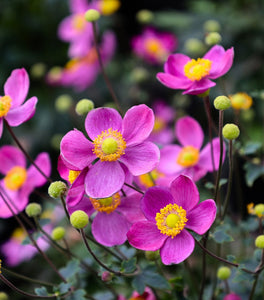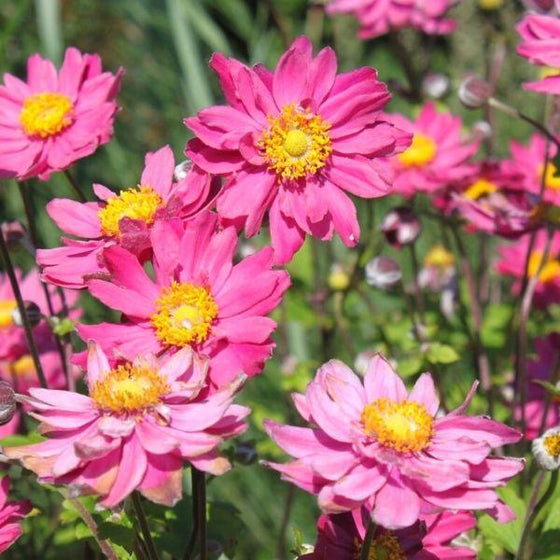



Images Depict Mature Plants
Pamina Anemone
Anemone hupehensis var japonica 'Pamina'
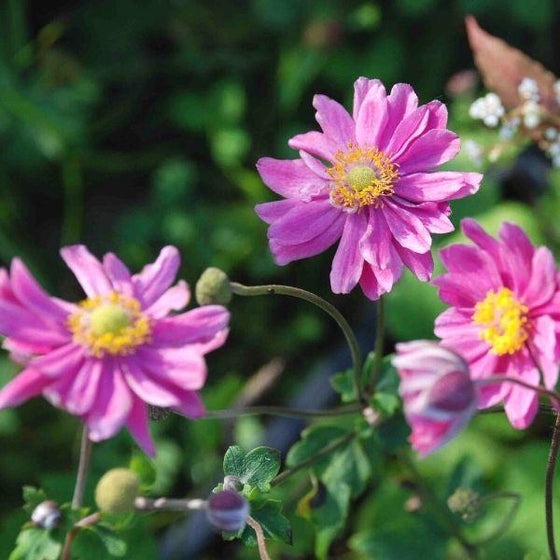
Pamina Anemone is the one I would use when you want the charm of a Japanese anemone in a slightly shorter, richer pink form. The semi-double flowers give it more fullness than September Charm, but it still has that graceful fall movement. Give it part shade, steady moisture, and room to settle in, and it will bring a beautiful second season of color to the garden.

20% OFF SITEWIDE SALE
Use Code 'OCTOBER20' At Checkout
📦 Free shipping on orders over $99.
Delay shipping by leaving us a message at Checkout.
Share:Recommended Add-Ons


A Compact Pink Japanese Anemone with Semi-Double Fall Flowers
Deep Pink Flowers for Late-Season Color
Pamina Anemone is a graceful fall-blooming perennial known for deep pink semi-double flowers, yellow centers, and an elegant Japanese anemone habit. Also called Japanese Anemone Pamina or pink windflower, this cultivar brings fresh color to the garden from late summer into fall.
The flowers rise above attractive green foliage on upright stems, creating a soft yet noticeable display as many summer perennials slow down. The rich pink bloom color makes Pamina especially useful in cottage gardens, part-shade borders, woodland edges, and mixed perennial beds.
Semi-Double Blooms with a Refined Cottage-Garden Look
Pamina stands out from single-flowered Japanese anemones because its flowers form a neat rosette of narrow, overlapping petal-like sepals. The semi-double to double flower form gives each bloom more fullness while still keeping the relaxed, airy look gardeners love in fall-blooming anemones.
Use Pamina where you want a deeper pink alternative to September Charm or a more compact pink option compared with taller Japanese anemones. It pairs beautifully with hostas, ferns, hellebores, heuchera, astilbe, ornamental grasses, sedum, asters, turtlehead, black-eyed Susans, and goldenrod.
Shorter Habit for Borders and Woodland Edges
Pamina Anemone is typically shorter than many Japanese anemone varieties, often reaching about 2–3 feet tall in bloom. The leafy base stays lower, while the flowers rise above the foliage on slender stems.
This makes Pamina easier to place in the middle of perennial borders, along woodland edges, or in smaller part-shade gardens where taller anemones may feel too large. Plant it in groups for the strongest color effect, or repeat it through a border for soft late-season rhythm.
Part Shade Performance and Pollinator Value
Pamina Anemone performs well in part shade, especially in bright woodland edges or locations with morning sun and afternoon shade. In cooler climates, it can also grow in full sun if the soil stays consistently moist. In hotter regions, afternoon shade helps protect foliage and flowers.
The late-season blooms can attract bees and other pollinators when nectar sources are becoming less abundant. This makes Pamina useful for extending both flower color and pollinator activity into the fall garden.
Low Maintenance with Moisture and Room to Spread
Plant Pamina Anemone in rich, moist, well-drained soil. It appreciates consistent moisture and performs best where the soil does not dry out for long periods. Mulch helps conserve moisture and keep roots cool.
Like many Japanese anemones, Pamina can spread by suckers or rhizomes in favorable conditions. Give it room to form a natural colony, or divide in spring if the clump grows beyond its intended space. Cut back old stems and foliage in late winter or early spring, before new growth begins.
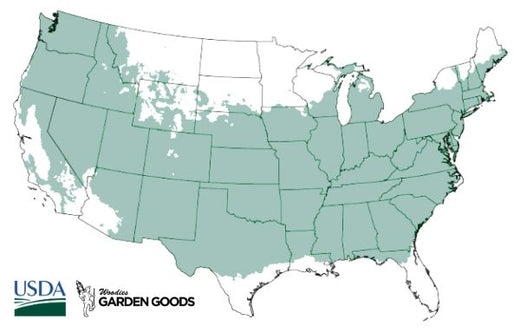
| Hardiness Zone: | 5-8 |
|---|---|
| Mature Height: | 2 to 3 Feet |
| Mature Width: | 1.5 to 2.5 feet |
| Sunlight: | Part shade preferred; tolerates full sun in cooler climates with consistent moisture |
| Soil | Rich, moist, humus-rich, well-drained soil |
| Water | Water regularly after planting; prefers consistent moisture and should not dry out for long periods |
| Bloom Time / Color | Late summer to fall; semi-double deep pink flowers with yellow centers |
| Ornamental Features | Semi-double pink fall flowers, yellow stamens, shorter habit, graceful stems, cottage-garden texture |
| Wildlife Value | Flowers may attract bees and other late-season pollinators |
| Resistance | Generally deer resistant; low maintenance with consistent moisture; spreads by suckers or rhizomes in favorable sites |
| Landscape Uses | Fall border, part shade garden, woodland edge, cottage garden, mixed perennial bed, pink garden, mass planting, cut flower garden, late-season pollinator planting |
How to Care for Pamina Anemone
Before you purchase your Pamina Anemone, be sure to read our care instructions to ensure your plants remain happy and healthy for years to come.
-v1746190265064.png?92x91)
How should I plant Pamina Anemone?
Plant Pamina Anemone in part shade with rich, moist, well-drained soil. Choose a location where the pink flowers can rise above lower perennials, such as a woodland edge, a part-shade border, a cottage garden, or a mixed perennial bed. Dig a hole about as wide as the root ball and just as deep. Set the crown level with the surrounding soil, backfill gently, and water thoroughly. Space plants about 18–24 inches apart to allow room for the clump to expand over time.

How often should I water Pamina Anemone after planting?
Water Pamina Anemone deeply after planting, then keep the soil evenly moist while roots establish. During the first growing season, water when the top few inches of soil begin to dry. Established plants perform best with consistent moisture, especially in sunnier locations or during late-summer heat. Avoid letting the soil dry out for long periods, because moisture stress can reduce flowering and foliage quality.
-v1746190303728.png?90x89)
When should I fertilize Pamina Anemone?
Pamina Anemone usually needs little fertilizer when planted in rich, organic soil. A light spring topdressing of compost or leaf mold is often enough to support healthy growth and flowering. Avoid heavy fertilizing, especially with high-nitrogen products. Too much fertility can encourage soft growth. Moisture, mulch, and good soil structure are more important than frequent feeding.

When and how should I prune Pamina Anemone?
Cut Pamina Anemone back in late winter or early spring before new growth begins. Remove old stems and tired foliage to make room for fresh spring growth. During bloom season, deadheading is optional. You can remove spent flowers for a tidier look, or leave some stems standing briefly for a natural late-season appearance. Divide in spring if the clump spreads beyond its intended space.