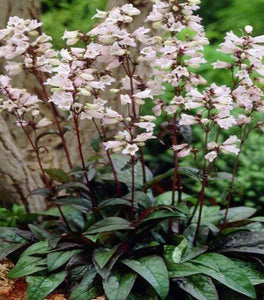
Images Depict Mature Plants
Rock Candy® Pink Improved Penstemon
Penstemon barbatus 'Balrocinki'
Rock Candy® Pink Improved is a smart little Penstemon for sunny beds that need color without bulk. The deep pink flowers are bright, the plant stays compact, and the hummingbirds will find it fast. I would use it along a walkway, at the front of a border, or in containers where the flowers can be seen up close. The most important thing is drainage—give it full sun and soil that dries down between waterings, and it will be much happier than it would be in rich, wet ground.

15% OFF SITEWIDE SALE
Use Code 'PRIMETIME15' At Checkout
📦 Free shipping on orders over $99.
Delay shipping by leaving us a message at Checkout.
Share:Recommended Add-Ons



Rock Candy® Pink Improved Penstemon Adds Deep Pink Color to Sunny Borders and Containers
Deep Pink Flowers on a Compact Plant
Rock Candy® Pink Improved Penstemon is a compact, full-sun perennial grown for deep pink, bell-shaped to tubular flowers held on short upright spikes. The blooms stand out cleanly against green foliage, creating a bright, polished look without taking up much space.
This is a great Penstemon for gardeners who want bold pollinator color in a smaller footprint. Use it at the front of a sunny border, along a walkway, in a patio container, in a rock garden, or repeated through a mass planting where the pink flowers can create a strong ribbon of color.
A Hummingbird-Friendly Beardtongue
The tubular flowers are naturally attractive to hummingbirds, bees, butterflies, and other pollinators. Rock Candy® Pink Improved brings color and movement to the garden over a long bloom window, helping sunny beds feel more alive through the growing season.
Plant it near patios, porches, garden paths, and seating areas where you can enjoy the flower color and pollinator activity up close. The compact spikes also make attractive cut flowers for small arrangements and mixed perennial bouquets.
Low Water Needs Once Established
Rock Candy® Pink Improved Penstemon performs best in full sun and well-drained soil. Once established, it has low water needs and handles dry, sunny conditions better than many traditional flowering perennials. That makes it useful for curbside beds, patio planters, hot border edges, and low-water perennial plantings.
Good drainage is the key. Penstemon does not like heavy, wet soil, especially in winter. Plant it in average, sandy, gravelly, rocky, or well-drained garden soil, and avoid low areas where water collects around the crown.
Deer Resistant, Rabbit Resistant, and Heat Tolerant
Rock Candy® Pink Improved is a practical choice for sunny landscapes because it is heat- and drought-tolerant once established and generally resistant to deer and rabbits. No plant is completely browse-proof, but Penstemon is often a smart choice where deer pressure makes it difficult to grow softer perennials.
Its compact size also makes it easy to combine with other full-sun plants. Pair it with coneflowers, black-eyed Susans, yarrow, catmint, lavender, coreopsis, sedum, salvia, ornamental grasses, and other drought-tolerant perennials for a colorful, pollinator-friendly planting.
Easy Care With Full Sun and Drainage
Rock Candy® Pink Improved is easy to maintain when planted in the right site. Give it full sun, well-drained soil, and moderate water during establishment. After the first flush of flowers, trim spent flower stems to keep the plant tidy and encourage additional bloom when conditions are favorable.
Avoid heavy fertilizer and overly rich soil, which can push soft growth. In late winter or early spring, remove old stems and tired foliage before new growth begins. With the right care, this compact pink Penstemon becomes a colorful, low-maintenance perennial for sunny garden spaces.
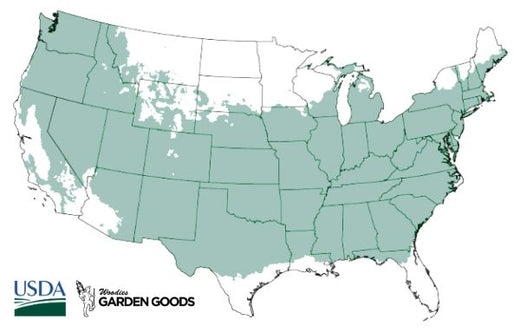
| Hardiness Zone: | 5-8 |
|---|---|
| Mature Height: | 12 Inches |
| Mature Width: | 12 Inches |
| Sunlight: | Full sun |
| Soil | Average, dry to medium, well-drained soil; avoid wet winter soil |
| Water | Low to average water needs; drought tolerant once established |
| Bloom Time / Color: | Spring through fall; deep pink bell-shaped to tubular flowers |
| Ornamental Features | Deep pink flower spikes, compact habit, long bloom season, cut flowers, container value, hummingbird appeal |
| Wildlife Value | Attracts hummingbirds, bees, butterflies, and other pollinators |
| Resistance | Deer resistant; rabbit resistant; drought tolerant once established; heat tolerant |
| Landscape Uses | Front borders, walkway edges, containers, rock gardens, pollinator gardens, hummingbird gardens, mass plantings, cut flower gardens |
How to Care for Rock Candy® Pink Improved Penstemon
Be sure to read our planting instructions to ensure a healthy and happy Rock Candy® Pink Improved Penstemon plant for years to come!
-v1785693624816.png?92x91)
How should I plant Rock Candy® Pink Improved Penstemon?
Plant Rock Candy® Pink Improved Penstemon in full sun with well-drained soil. Choose a location with at least 6 hours of direct sun per day. Sandy, gravelly, rocky, or average garden soil is a good fit as long as water drains away from the crown. Dig a hole slightly wider than the root ball and set the crown level with the surrounding soil. Backfill with native soil, water deeply, and mulch lightly if needed while keeping mulch away from the crown. Avoid heavy wet soil, low spots, and areas that stay soggy in winter.
-v1785693625359.png?89x84)
How often should I water Rock Candy® Pink Improved Penstemon after planting?
Water Rock Candy® Pink Improved Penstemon deeply after planting and keep the soil lightly moist while roots establish. During the first growing season, water when the top few inches of soil become dry, especially during heat, wind, or drought. Once established, this Penstemon has low water needs and is drought tolerant. Deep, occasional watering is better than frequent shallow watering. Avoid overwatering because wet soil can lead to root and crown problems.
-v1785693626299.png?90x89)
When should I fertilize Rock Candy® Pink Improved Penstemon?
Fertilize Rock Candy® Pink Improved Penstemon lightly in spring only if growth is weak or the soil is extremely poor. In average soil, Penstemon usually performs well without heavy fertilizer. Avoid high-nitrogen fertilizer and overly rich soil because they can encourage soft growth and reduce the tidy habit. Good sun, drainage, and proper watering are more important than frequent feeding.

When and how should I prune / cut back Rock Candy® Pink Improved Penstemon?
Trim spent flower spikes after the first flush of bloom to keep Rock Candy® Pink Improved Penstemon tidy and encourage rebloom when conditions are favorable. Cut flowering stems back to healthy foliage rather than shearing the entire plant too hard in summer heat. In late winter or early spring, remove old stems and tired foliage before new growth begins. If plants look open after bloom, a light cleanup can help fresh basal growth fill back in. Avoid cutting into the crown or leaving the plant in wet, matted debris.