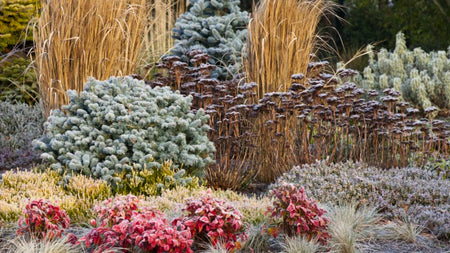
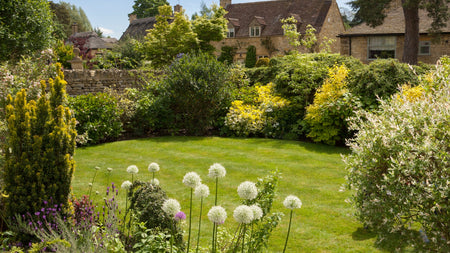
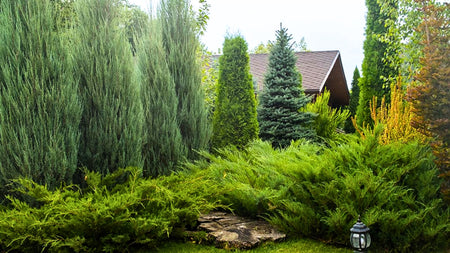
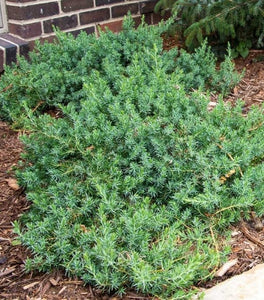
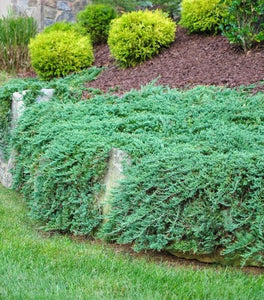
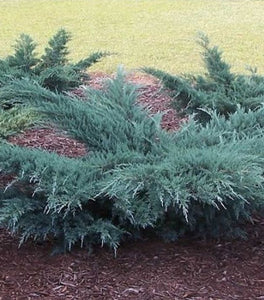
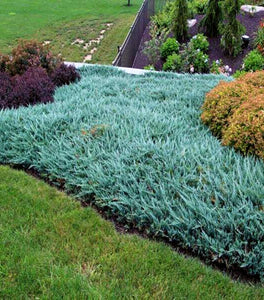
Images Depict Mature Plants
Parson's Juniper
Juniperus chinensis 'Parsonii'
Parson’s Juniper is one of those dependable evergreens that solves real landscape problems. It covers ground, handles sun, resists deer, and gives you year-round color without needing much attention. I like it on slopes, along driveways, at the edge of retaining walls, or in wide foundation beds where a low evergreen can tie everything together. Just give it full sun, good drainage, and room to spread.

20% Off Sitewide Sale!
Use Code 'ENDOFSEASON20' At Checkout
📦 Free shipping on orders over $99.
Delay shipping by leaving us a message at Checkout.
Share:


Spreading Evergreen Juniper for Slopes, Borders, and Foundations
Blue-Green Evergreen Color All Year.
Parson’s Juniper is a low-growing, spreading evergreen shrub valued for its dense blue-green foliage and dependable year-round color. Its layered branches create a broad, natural-looking mound that works beautifully in sunny foundation plantings, slopes, banks, rock gardens, and mixed evergreen borders. Use it where you need lasting structure without relying on seasonal flowers.
A Durable Groundcover Shrub for Sunny Landscapes.
This juniper is especially useful as an evergreen groundcover shrub because it spreads wider than it grows tall. It helps cover open soil, soften hardscape edges, and stabilize sunny banks where turf can be difficult to maintain. Its mature habit gives landscapes a finished look while remaining low enough to use near driveways, walkways, and the fronts of larger shrubs.
Deer Resistant and Drought Tolerant Once Established.
Parson’s Juniper is a practical choice for landscapes where deer browsing, heat, dry soil, or low-maintenance needs are major concerns. Once established, it handles drought better than many broadleaf shrubs and generally requires very little supplemental care. It is also salt-tolerant, making it useful near driveways, sidewalks, coastal-influenced sites, and roadside-style plantings.
Excellent for Mass Plantings and Erosion Control.
Plant Parson’s Juniper in groups for a strong evergreen mass, or use it as a single spreading accent in a sunny bed. It is a strong choice for slopes, retaining wall edges, parking lot islands, commercial landscapes, and large sunny areas where dependable evergreen coverage is needed. Its spreading branches help reduce the visibility of bare soil and give difficult planting areas a cleaner, more intentional appearance.
Low Maintenance with Proper Drainage.
Parson’s Juniper is easy to grow when planted in full sun and well-drained soil. Avoid wet, poorly drained areas, as junipers can decline when roots remain soggy. Little pruning is needed beyond removing dead or damaged branches and lightly shaping as needed. Give it room to spread naturally, and it will reward you with a durable evergreen texture for years.
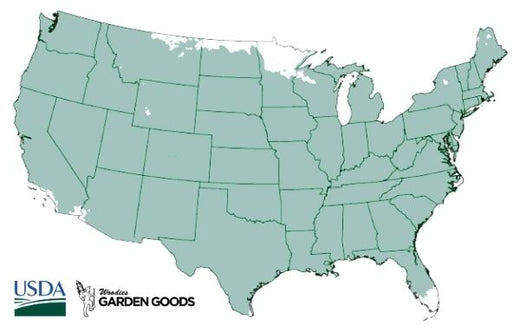
| Hardiness Zone: | 4-9 |
|---|---|
| Mature Height: | 2 to 3 Feet |
| Mature Width: | 4 to 6 Feet |
| Sunlight: | Full sun |
| Soil: | Well-drained soil; adaptable to sandy, rocky, average, or poor soils if drainage is good |
| Water Requirements: | Water well until established; drought tolerant once established |
| Bloom Time / Color: | Grown for foliage, not flowers |
| Foliage: | Evergreen, Dense blue-green to gray-green scale-like foliage |
| Ornamental Features: | Spreading habit, year-round color, dense evergreen texture, slope coverage |
| Wildlife Value: | Evergreen branching can provide cover for small birds and wildlife |
| Resistance: | Deer resistant, drought tolerant once established, salt tolerant, heat tolerant, low maintenance |
| Landscape Uses: | Slopes, banks, erosion control, foundation plantings, mass plantings, rock gardens, sunny borders, commercial landscapes, driveway edges, retaining walls |
How to Care for Parson's Juniper
Be sure to read our planting instructions to ensure a healthy and happy Parson’s Juniper for years to come!

How should I plant Parson’s Juniper?
Plant Parson’s Juniper in full sun and well-drained soil. Choose a location with enough room for the shrub to spread several feet wide at maturity. Avoid low, soggy areas, compacted wet soil, or heavy shade, because junipers perform best with strong sunlight and good airflow. Dig a hole about twice as wide as the root ball and no deeper than the container. Set the top of the root ball level with the surrounding soil, backfill gently, and water thoroughly. Add a light mulch layer around the plant to conserve moisture and reduce weeds, keeping mulch pulled back from the crown and stems.
-v1779218493550.png?89x84)
How often should I water Parson’s Juniper after planting?
Water Parson’s Juniper deeply after planting and keep the root zone evenly moist during the first growing season. Water when the top few inches of soil begin to dry, especially during hot, dry, or windy weather. Once established, Parson’s Juniper is drought tolerant and usually needs little supplemental water except during extended dry periods. Avoid frequent shallow watering and never allow the roots to sit in soggy soil. Deep, occasional watering encourages stronger root development.
-v1779218494361.png?90x89)
When should I fertilize Parson’s Juniper?
Fertilize Parson’s Juniper in early spring if growth is weak or the soil is poor. Use a slow-release fertilizer formulated for evergreen shrubs, or apply a light topdressing of compost around the root zone. Avoid heavy fertilizer, especially late in the season. Junipers usually perform well in lean soils, and too much feeding can encourage soft growth. Proper sunlight, drainage, and spacing are more important than aggressive fertilizing.

When and how should I prune Parson’s Juniper?
Prune Parson’s Juniper lightly in late winter or early spring before new growth begins, or trim selectively during the growing season to remove stray branches. Focus on removing dead, damaged, or crossing branches and lightly shaping the plant if needed. Avoid cutting deeply into old bare wood, because junipers may not regrow well from leafless interior stems. Let the plant keep its natural spreading habit whenever possible. Regular heavy shearing is usually unnecessary and can make the shrub look stiff or thin over time.