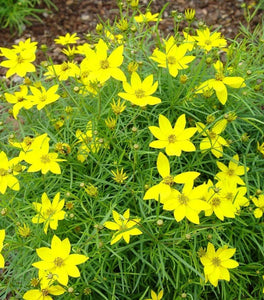
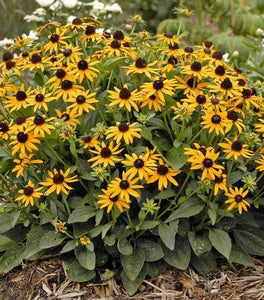
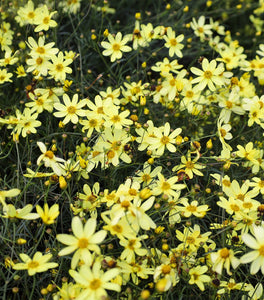
Images Depict Mature Plants
Jethro Tull Coreopsis
Coreopsis 'Jethro Tull' PP18789
Jethro Tull Coreopsis is a fun twist on a dependable garden favorite. The yellow flowers still give you that bright tickseed color, but the fluted petals make the plant feel a little more special than a standard yellow coreopsis. I like it near the front of a sunny border with salvia, catmint, coneflowers, yarrow, and ornamental grasses. Give it full sun, good drainage, and an occasional trim, and it will keep the garden looking cheerful through summer.

15% OFF SITEWIDE, USE CODE 'FALLPLANT15'
📦 Free shipping on orders over $99.
Delay shipping by leaving us a message at Checkout.
Share:Recommended Add-Ons



Golden Fluted Tickseed for Sunny Summer Gardens
A Distinctive Yellow Coreopsis with Fluted Petals.
Jethro Tull Coreopsis is a compact yellow tickseed grown for its cheerful golden blooms and unusual fluted petals. The flowers have a more sculpted look than traditional flat-petaled coreopsis, giving this perennial extra personality in sunny borders, cottage gardens, pollinator plantings, and containers. It brings bright summer color without needing a complicated care routine.
Long Blooming Color for Full Sun.
This easy-care perennial blooms through the warm season, especially when spent flowers are removed or plants are lightly sheared after the first strong flush. The golden flowers rise above a tidy clump of green foliage, creating a bright, mounded accent near the front or middle of a sunny bed. Plant Jethro Tull Coreopsis in groups for a stronger color display, or mix it with purple, blue, white, and red flowering perennials for contrast.
Pollinator-Friendly and Wildlife-Aware.
Jethro Tull Coreopsis is a strong choice for pollinator gardens because its flowers attract bees, butterflies, and other beneficial insects. Later in the season, seed heads can also support birds if some spent flowers are left standing. This makes it useful in habitat-friendly gardens, cottage borders, meadow-style plantings, and sunny perennial combinations.
Deer Resistant and Drought Tolerant Once Established.
Coreopsis is valued for its toughness, adaptability, and generally deer resistance. Once established, Jethro Tull Coreopsis can handle dry periods better than many flowering perennials, especially when planted in well-drained soil. It is a good choice for sunny landscapes where gardeners want long-lasting color with fewer watering demands after establishment.
Easy to Grow in Borders and Containers.
Plant Jethro Tull Coreopsis in full sun with well-drained soil. Avoid wet, heavy soil, as it can shorten the plant's lifespan. It performs well in average garden soil and usually does not need heavy fertilizer. Use it in sunny borders, mass plantings, pollinator beds, cut flower gardens, patio containers, and low-maintenance perennial plantings where bright yellow color is needed.
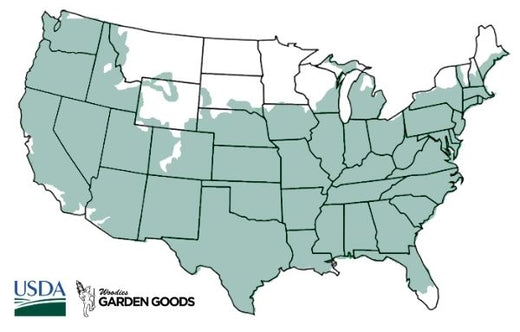
| Hardiness Zone: | 5-9 |
|---|---|
| Mature Height: | 12 to 18 Inches |
| Mature Width: | 18 to 24 inches |
| Sunlight: | Full sun |
| Soil | Average to poor, well-drained soil |
| Water | Average during establishment; drought tolerant once established |
| Bloom Time / Color | Summer into early fall with deadheading; golden-yellow flowers |
| Ornamental Features | Golden-yellow fluted flowers, compact habit, long bloom season, bright summer color |
| Wildlife Value | Attracts bees, butterflies, and other pollinators; seed heads may support birds |
| Resistance | Deer resistant, drought tolerant once established, low maintenance |
| Landscape Uses | Sunny borders, pollinator gardens, cottage gardens, containers, edging, mass plantings, cut flower gardens, meadow-style plantings, low-maintenance perennial beds |
How to Care for Jethro Tull Coreopsis
Be sure to read our planting instructions to ensure a healthy and happy Jethro Tull Coreopsis for years to come!
-v1780602707187.png?92x91)
How should I plant Jethro Tull Coreopsis?
Plant Jethro Tull Coreopsis in full sun where the soil drains well. Choose a site that receives at least 6 hours of direct sun per day for the strongest flowering and most compact growth. Avoid low, soggy areas because coreopsis performs best in soil that drains freely. Dig a hole about twice as wide as the root ball and no deeper than the container. Set the crown level with the surrounding soil, backfill gently, and water thoroughly. Add a light mulch layer if needed to reduce weeds, keeping mulch slightly pulled back from the crown.
-v1780602708116.png?89x84)
How often should I water Jethro Tull Coreopsis after planting?
Water Jethro Tull Coreopsis deeply after planting and keep the soil lightly moist while roots establish. During the first growing season, water when the top few inches of soil become dry, especially during hot, windy, or dry weather. Once established, Jethro Tull Coreopsis is drought tolerant and usually needs less supplemental water. Deep, occasional watering during extended dry periods is better than frequent shallow watering. Avoid constantly wet soil, which can weaken the plant.
-v1780602709079.png?90x89)
When should I fertilize Jethro Tull Coreopsis?
Jethro Tull Coreopsis usually needs little fertilizer in average garden soil. If growth is weak, apply a light layer of compost or a low-rate balanced slow-release fertilizer in spring as new growth begins. Avoid heavy feeding, especially with high-nitrogen fertilizer. Too much fertility can encourage leafy growth and reduce the compact, flower-heavy habit gardeners want from coreopsis. Full sun and good drainage are more important than rich soil.

When and how should I prune Jethro Tull Coreopsis?
Deadhead spent flowers to keep Jethro Tull Coreopsis looking tidy and blooming longer. After the first main flush of flowers, lightly shear the plant back if it becomes open, tired, or leggy. This can encourage fresh growth and additional bloom. At the end of the season, cut back dead stems after frost or leave some seed heads standing for birds. In early spring, remove any remaining old growth before new shoots emerge. Divide mature clumps every few years if flowering declines or the center begins to thin.