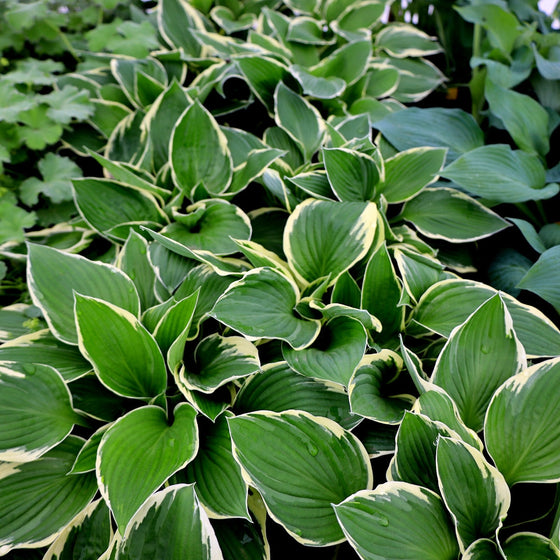


Images Depict Mature Plants
Francee Hosta
Hosta fortunei 'Francee'
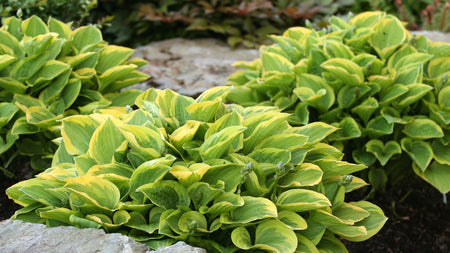
Francee Hosta is one of those classic shade plants that still works because it does exactly what gardeners need it to do. The green leaves with crisp white edges brighten shade without looking loud, and the plant fills in with a clean, finished look. I like Francee along shaded walkways, under trees, or repeated through a woodland border for that calm, layered hosta effect. Just plan ahead for deer and slugs if they are common in your garden.

15% OFF SITEWIDE, USE CODE 'FALLPLANT15'
📦 Free shipping on orders over $99.
Delay shipping by leaving us a message at Checkout.
Share:Recommended Add-Ons



Crisp White-Edged Hosta for Classic Shade Gardens
Clean Green Leaves with Crisp White Margins.
Francee Hosta is a classic variegated hosta known for its medium- to dark-green leaves edged in clean white margins. The heart-shaped foliage forms a wide, low mound, adding structure, brightness, and texture to shaded beds. Its crisp variegation holds well through the season, making Francee a dependable choice for gardeners who want a neat, polished look in shade and part-shade areas.
A Reliable Groundcover-Style Hosta.
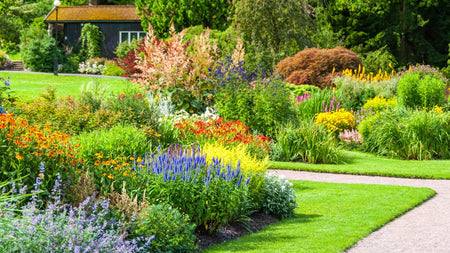
Francee Hosta spreads into a broad clump that works beautifully as a groundcover-style perennial, edging plant, or mass planting. Use it along shaded walkways, under high-canopied trees, in foundation beds, or at the front of woodland borders. Repeating Francee through a shady bed creates a clean, intentional design that looks full and finished without relying on constant flowers.
Lavender Summer Flowers Above the Foliage.
In mid to late summer, Francee Hosta sends up tall flower scapes with lavender to pale lavender blooms. The flowers rise above the foliage and add a soft seasonal accent to the plant’s main foliage display. While Francee is primarily grown for its variegated leaves, its summer flowers can attract hummingbirds and pollinators, adding movement to shaded gardens.
Easy to Grow in Part Shade to Full Shade.
Francee Hosta performs best in part shade to full shade with moist, well-drained, organically rich soil. Morning sun or filtered light can be tolerated, especially when soil moisture is consistent, but hot afternoon sun can scorch the leaves. Mulch around the root zone to help conserve moisture, keep roots cool, and support steady foliage growth through the season.
Low Maintenance with Honest Pest Expectations.
Francee Hosta is easy to grow in the right site, but it should not be considered deer-proof. Deer commonly browse hostas, and slugs may chew holes in the foliage, especially in damp, shady areas. Place Francee where it can be monitored, remove old foliage after dormancy, water at the soil level when possible, and use deer or slug protection if those pests are common in your garden.
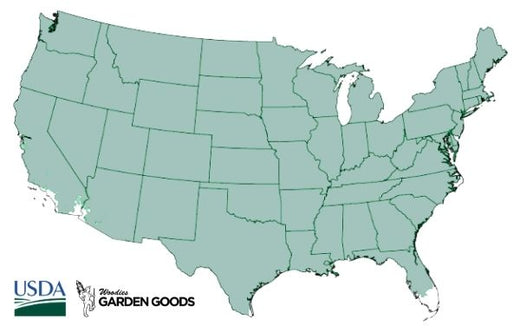
| Hardiness Zone: | 3-9 |
|---|---|
| Mature Height: | 1 to 2 Feet |
| Mature Width: | 3 to 4 Feet |
| Sunlight: | Part shade to full shade; tolerates morning sun or filtered sun with consistent moisture |
| Soil | Moist, average to fertile, well-drained soil enriched with organic matter |
| Water | Moderate; keep evenly moist, especially during establishment and dry periods |
| Bloom Time / Color | Mid to late summer; lavender to pale-lavender flowers |
| Foliage | Medium-to-dark green, heart-shaped leaves with crisp white margins |
| Ornamental Features | White-edged variegated foliage, wide mounding habit, lavender flowers, groundcover-style coverage |
| Wildlife Value | Flowers may attract hummingbirds and pollinators |
| Resistance | Low maintenance; some sun tolerance; deer and slugs may browse or damage foliage |
| Landscape Uses | Shade borders, woodland gardens, mass plantings, edging, containers, shaded foundations, focal points, groundcover-style plantings |
How to Care for Francee Hosta
Be sure to read our planting instructions to ensure a healthy and happy Francee Hosta for years to come!
-v1778687963692.png?92x91)
How should I plant Francee Hosta?
Plant Francee Hosta in part shade to full shade where the soil is moist, well drained, and enriched with organic matter. Morning sun or filtered light can work well, but avoid hot afternoon sun, especially in warmer climates. Choose a site with enough room for the plant to spread into a broad clump over time. Dig a hole about twice as wide as the root ball and just as deep. Set the crown level with the surrounding soil, backfill gently, and water thoroughly. Add a 2- to 3-inch layer of mulch around the plant to conserve moisture and keep the root zone cool, keeping mulch slightly pulled back from the crown.
-v1778687991405.png?89x84)
How often should I water Francee Hosta after planting?
Water Francee Hosta deeply after planting and keep the soil evenly moist through the first growing season. Hostas perform best when they do not dry out severely, especially while roots are establishing and leaves are expanding in spring and early summer. Once established, water during dry spells to maintain full, healthy foliage. Plants growing in containers, under tree roots, or in brighter light may need more frequent watering. Avoid constantly soggy soil, but do not allow the root zone to stay dry for long periods.
-v1778688008537.png?90x89)
When should I fertilize Francee Hosta?
Fertilize Francee Hosta in early spring as new shoots begin to emerge. Use a balanced slow-release fertilizer, a light topdressing of compost, or an organic fertilizer suitable for perennials. This helps support strong foliage growth and a full, vigorous clump. Avoid heavy late-season fertilizing, which can encourage tender growth. Healthy hostas usually do not need aggressive feeding. Consistent moisture, organic matter, and proper shade placement are more important than heavy fertilizer for long-term performance.

When and how should I prune Francee Hosta?
Remove spent flower scapes after blooming if you prefer a cleaner look. The foliage should remain in place through the growing season because it feeds the crown and helps the plant build energy for the following year. Cut back dead foliage in late fall after frost or in early spring before new growth emerges. Remove damaged or slug-chewed leaves as needed during the season. Divide mature clumps in spring or early fall if the plant becomes crowded, outgrows its space, or you want to create additional plants.