Images Depict Mature Plants
Summerific® Edge of Night Hardy Hibiscus
Hibiscus 'Edge of Night' PP34359
Edge of Night Hibiscus is the kind of perennial that earns attention before it even flowers. The dark foliage gives the garden real contrast, and then the huge bubblegum-pink blooms turn it into a summer focal point. I like it in sunny borders or large containers where the black foliage can play against green, gold, or silver plants. It is also a practical choice for deer-prone gardens, and the hummingbirds will help prove why hardy hibiscus deserves more space in the landscape.

20% Off Sitewide Sale!
Use Code 'ENDOFSEASON20' At Checkout
📦 Free shipping on orders over $99.
Delay shipping by leaving us a message at Checkout.
Share:Recommended Add-Ons



Huge Pink Blooms Against Dramatic Near-Black Foliage
Bold Bubblegum-Pink Flowers with Tropical Impact.
Summerific® Edge of Night Hardy Hibiscus delivers the bold flower power gardeners expect from hardy hibiscus, with massive bubblegum-pink blooms that can reach 7 to 8 inches across. Each flower features overlapping petals, darker pink veining, and a dramatic central eye that stands out beautifully in the summer garden. The blooms bring a tropical look to sunny landscapes while the plant itself returns as a hardy perennial in cold-winter regions.
Jet-Black Foliage for Striking Contrast.
The foliage is one of the biggest reasons Edge of Night Hibiscus stands apart. It's very dark, near-black to deep mahogany leaves create a bold backdrop for the bright pink flowers, giving the plant a strong contrast even before it blooms. This makes it valuable as both a flowering perennial and a foliage accent in mixed borders, cottage gardens, pollinator beds, and modern landscape designs.
A Compact Hardy Hibiscus with Big Presence.
Edge of Night is more compact than many traditional hardy hibiscus varieties, typically growing about 3 to 3.5 feet tall and 4 to 4.5 feet wide. Its rounded, mounding habit gives it enough size to work as a specimen or focal point without becoming overwhelming. Use it in the middle or back of sunny beds, near patios, in large containers, or as a dramatic anchor among ornamental grasses and flowering perennials.
Deer-Resistant, Pollinator-Friendly, and Heat-Loving.
This hardy hibiscus is an excellent choice for sunny gardens where deer resistance and pollinator value matter. The large flowers attract hummingbirds, bees, and other pollinators, while the foliage is generally avoided by deer. Edge of Night performs best in full sun to part sun with rich, moist, well-drained soil. Consistent water supports larger flowers, lush foliage, and stronger summer performance.
Late to Wake, Fast to Grow.
Like many hardy hibiscus, Edge of Night is one of the last perennials to emerge in spring, so patience is important. Once it wakes up, it grows quickly and fills out into a full, flowering mound during the warm season. The plant dies back to the ground in winter and returns from the roots in spring. Cut old stems back in spring, keep the root zone mulched, and give it steady moisture for the best display.
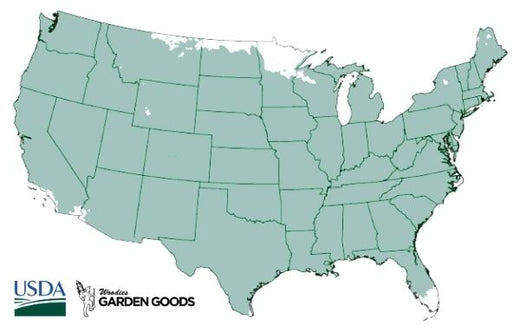
| Hardiness Zone: | 4-9 |
|---|---|
| Mature Height: | 3 to 3.5 Feet |
| Mature Width: | 4 to 4.5 Feet |
| Sunlight: | Full sun to part sun; best foliage color and bloom in full sun |
| Soil | Average to rich, moist, well-drained soil; tolerates poor soil with adequate moisture |
| Water Requirements: | Moderate to consistent; keep evenly moist, especially during heat and bloom |
| Bloom Time / Color | Mid-summer to early fall; large bubblegum-pink flowers with darker pink veining |
| Foliage: | Very dark mahogany to near-black foliage |
| Ornamental Features | Huge pink flowers, jet-black foliage, compact mounding habit, tropical summer color |
| Wildlife Value | Attracts hummingbirds, bees, and pollinators |
| Resistance | Deer resistant, heat tolerant, bog/moist soil tolerant with good siting |
| Landscape Uses | Specimen perennial, sunny borders, pollinator gardens, cottage gardens, rain gardens, large containers, focal points, back-of-border plantings |
How to Care for Summerific® Edge of Night Hardy Hibiscus
Before you purchase your Hibiscus hybrid ‘Edge of Night’, be sure to read the recommended care instructions to ensure your plant remains happy and healthy for years to come!
-v1778602989355.png?92x91)
How should I plant Edge of Night Hibiscus?
Plant Edge of Night Hibiscus in full sun to part sun where it has room to grow into a broad, mounded perennial. Full sun produces the strongest flower display and the darkest foliage color. Choose a site with moist, well-drained soil, and amend the soil with compost if it is very sandy, compacted, or low in organic matter. Dig a hole about twice as wide as the root ball and just as deep. Set the crown level with the surrounding soil, backfill gently, and water thoroughly. Add a 2- to 3-inch mulch layer around the root zone to conserve moisture and protect the plant during its first winter, keeping mulch slightly pulled back from the crown.
-v1778603013250.png?89x84)
How often should I water Edge of Night Hibiscus after planting?
Water Edge of Night Hibiscus deeply after planting and keep the soil evenly moist through the first growing season. Hardy hibiscus produces large leaves and oversized flowers, so consistent moisture is important for strong growth, dark foliage, and reliable blooming. Water when the top few inches of soil begin to dry. Once established, Edge of Night still performs best with steady moisture, especially during summer heat and active bloom. Container-grown plants may need more frequent watering than in-ground plants. Avoid allowing the plant to wilt repeatedly, because drought stress can reduce flower size, shorten bloom quality, and affect foliage appearance.
-v1778603063973.png?90x89)
When should I fertilize Edge of Night Hibiscus?
Fertilize Edge of Night Hibiscus in spring once new growth begins. Use a balanced slow-release fertilizer or a fertilizer formulated for flowering perennials. This supports vigorous stems, healthy dark foliage, and large summer flowers. A second light feeding in early summer may help in poor soils, but avoid excessive high-nitrogen fertilizer. Too much nitrogen can encourage leafy growth at the expense of flowers. Good sunlight, consistent moisture, and healthy soil are just as important as feeding for strong performance.

When and how should I prune Edge of Night Hibiscus?
Prune the edge of the Night Hibiscus in spring by cutting back the previous year’s dead stems before or just as new growth begins. Do not cut it back in the fall unless necessary, because the old stems help mark the plant’s location and protect the crown through winter. During the growing season, deadheading can improve the plant’s appearance, but it is not required for continued bloom. Remove broken or damaged stems as needed. Be patient in spring, because hardy hibiscus often emerges later than many other perennials, then grows quickly once warm weather arrives.