Images Depict Mature Plants
Blackberry Merlot Hardy Hibiscus
Hibiscus 'Blackberry Merlot' PP33498
Blackberry Merlot Hardy Hibiscus is the kind of perennial that makes people stop and ask what it is. The flowers are huge, dark, and dramatic, but the plant is hardy enough to come back from the roots in cold climates. Give it sun, room, and steady moisture, then be patient in spring. Once warm weather hits, it grows fast and delivers a late-summer show that feels tropical without being tropical.

20% Off Sitewide Sale!
Use Code 'CLOSEOUT20' At Checkout
📦 Free shipping on orders over $99.
Delay shipping by leaving us a message at Checkout.
Share:Recommended Add-Ons


A Hardy Hibiscus with Huge Deep Merlot-Red Flowers
Massive Dark Red Blooms with Tropical Impact
Blackberry Merlot Hardy Hibiscus is a bold perennial hibiscus grown for its huge, deep red flowers, dark buds, and upright garden presence. The blooms can reach up to 8 inches wide and open in a rich merlot-red shade, giving sunny beds the look of a tropical garden with the winter hardiness of a perennial.
This cultivar is ideal for homeowners who want a dramatic focal point in late summer. The flowers appear above dark green foliage on a sturdy, upright clump, creating a strong centerpiece for perennial borders, foundation beds, patio plantings, and poolside-style landscapes. Each bloom lasts a short time, but the plant produces new flowers over a long seasonal window.
Late Summer Color When the Garden Needs Drama
Blackberry Merlot Hibiscus brings its biggest show when many spring and early-summer perennials are slowing down. The deep red blooms add rich color from midsummer into fall, extending the garden’s peak season with a bold, tropical-looking display.
The flower color is especially useful in designs that need depth and contrast. Pair Blackberry Merlot with yellow, white, pink, purple, bronze, silver, or dark foliage plants to create a high-impact summer border. The large flowers are best placed where they can be seen up close, such as near patios, walkways, seating areas, front entries, or sunny foundation plantings.
A Hardy Perennial Hibiscus, Not a Tropical Hibiscus
Blackberry Merlot is a hardy hibiscus, also called rose mallow or perennial hibiscus. It returns from the roots each year in cold climates rather than staying evergreen like a tropical hibiscus. In winter, the stems die back to the ground, and new growth emerges from the crown in late spring when the soil warms.
This late emergence is normal and should not be mistaken for plant loss. Once growth begins, hardy hibiscus grows quickly and can gain size fast during warm weather. By summer, the plant forms a large, upright clump capable of carrying oversized flowers that look far more tropical than its cold-hardiness suggests.
Heat Tolerant, Deer Resistant, and Pollinator Friendly
Blackberry Merlot Hardy Hibiscus is heat-tolerant and makes a strong, warm-season statement in sunny landscapes. It is commonly considered deer-resistant, though deer browsing can vary by location and pressure. Its large flowers may attract bees, butterflies, hummingbirds, and other beneficial pollinators.
This plant appreciates moisture more than many drought-tolerant perennials. It can handle short dry periods once established, but the best flowering and strongest foliage come from consistent watering, especially during heat and bloom season. Mulch helps conserve moisture and protect the crown through seasonal temperature changes.
Easy Care with Sun, Moisture, and Spring Patience
Plant Blackberry Merlot Hibiscus in full sun to part sun with rich, moist, well-drained soil. Full sun encourages the most flowers and strongest stems, while light afternoon shade can be helpful in very hot climates. Avoid dry, compacted soil where the plant cannot access enough moisture during summer.
Water regularly after planting and during dry spells. Cut old stems back in late fall after frost or in early spring before new growth appears. Be patient in spring, because hardy hibiscus is one of the later perennials to emerge. Once it wakes up, it grows quickly and becomes a dramatic summer focal point.
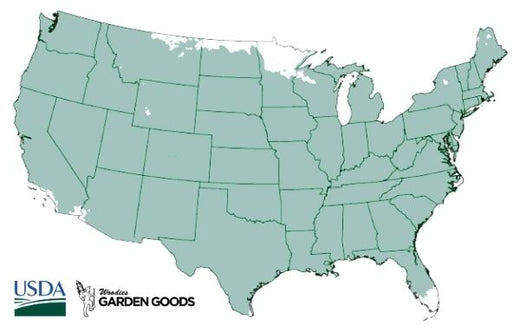
| Hardiness Zone: | 4-9 |
|---|---|
| Mature Height: | 4 to 5 feet |
| Mature Width: | 3 to 5 Feet |
| Sunlight: | Full sun to part sun; best flowering in full sun |
| Soil | Rich, moist, well-drained soil; tolerates average garden soil with consistent moisture |
| Water Requirements: | Water regularly after planting; prefers consistent moisture; tolerates short dry periods once established |
| Bloom Time / Color | Midsummer to fall; large deep merlot-red to dark red flowers |
| Ornamental Features | Huge dark red flowers, dark buds, tropical-looking bloom, upright habit, late-season color |
| Wildlife Value | Flowers may attract bees, butterflies, hummingbirds, and beneficial pollinators |
| Resistance | Heat tolerant; generally deer resistant; hardy to cold climates; prefers steady moisture |
| Landscape Uses | Specimen plantings, sunny borders, foundation beds, patio gardens, poolside-style plantings, mixed perennial beds, mass plantings, late-summer focal points |
How to Care for Blackberry Merlot Hardy Hibiscus
Before you purchase your Blackberry Merlot Hardy Hibiscus, be sure to read the care instructions to keep your plant happy and healthy for years to come!
-v1781630328832.png?92x91)
How should I plant Blackberry Merlot Hardy Hibiscus?
Plant Blackberry Merlot Hardy Hibiscus in full sun to part sun with rich, moist, well-drained soil. Choose a location with enough room for the plant’s mature size, since this cultivar can become a large upright clump. It works best as a specimen, back-border perennial, foundation accent, or dramatic summer focal point. Dig a hole about twice as wide as the root ball and just as deep. Set the crown level with the surrounding soil, backfill gently, and water thoroughly. Apply mulch around the root zone to help conserve moisture, but keep mulch a few inches away from the crown.
-v1781630329446.png?89x84)
How often should I water Blackberry Merlot Hardy Hibiscus after planting?
Water Blackberry Merlot Hardy Hibiscus deeply after planting, then keep the soil consistently moist while roots establish. During the first growing season, water when the top few inches of soil begin to dry, especially during heat, wind, or active bloom. Established hardy hibiscus performs best with steady moisture. It can tolerate short dry periods, but drought stress may reduce flowering, cause leaf drop, or slow growth. Water during extended dry spells for the biggest blooms and healthiest foliage.
-v1781630330399.png?90x89)
When should I fertilize Blackberry Merlot Hardy Hibiscus?
Fertilize Blackberry Merlot Hardy Hibiscus in spring as new growth begins. A balanced slow-release fertilizer or a topdressing of compost can support vigorous stems, large foliage, and heavy flower production. Avoid overfertilizing late in the season. Heavy late feeding can encourage tender growth before winter. Consistent moisture, sun, and healthy soil are just as important as fertilizer for strong hibiscus performance.

When and how should I prune Blackberry Merlot Hardy Hibiscus?
Prune Blackberry Merlot Hardy Hibiscus after frost in late fall or in early spring before new growth appears. Cut old stems back close to the ground, leaving a few inches to mark the crown if desired. Do not worry if the plant is slow to emerge in spring. Hardy hibiscus usually wakes up later than many perennials. Once new shoots appear and temperatures warm, growth is fast and the plant quickly builds size for summer bloom.