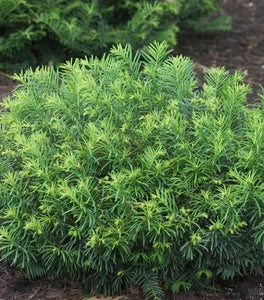
Images Depict Mature Plants
Dense Spreading Yew
Taxus x media 'Densiformis'
Dense Spreading Yew is one of those old-school evergreen shrubs that still makes sense when it is used in the right spot. It is low, wide, shade-tolerant, and easy to shape, which makes it a strong foundation plant or low hedge. I would use it where you want a year-round structure without the height of Hicks Yew. Just give it drainage, avoid wet soil, and remember that yews are toxic if eaten, so place them thoughtfully around kids, pets, and livestock.

20% Off Sitewide Sale!
Use Code 'CLOSEOUT20' At Checkout
📦 Free shipping on orders over $99.
Delay shipping by leaving us a message at Checkout.
Share:



Dense Spreading Yew Brings Classic Evergreen Structure to Foundations and Shade
A Low, Wide Evergreen for Foundation Plantings
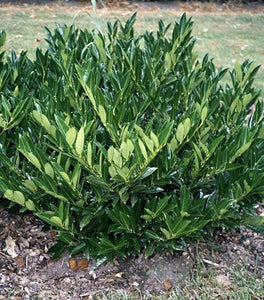
Dense Spreading Yew is a classic evergreen shrub with a broad, mounded habit and rich green needle foliage. It stays lower than upright yews but spreads wider with age, making it a strong choice for foundation plantings, low hedges, evergreen borders, and areas where year-round structure is needed without too much height.
This is the yew to use when you want a full, traditional evergreen base layer. Its dense branching helps soften walls, anchor corners, edge walkways, and tie together mixed shrub beds. Unlike narrow yews that are grown mainly for vertical screening, Dense Spreading Yew naturally fills horizontal space and gives the landscape a finished, established look.
Dense Green Foliage With Year-Round Texture
Dense Spreading Yew is grown for its evergreen needles, not for its showy flowers. The foliage is fine-textured, dark green, and attractive through winter, giving beds structure after perennials go dormant and deciduous shrubs lose their leaves. Its soft, needle-like texture also contrasts well with boxwood, hollies, hydrangeas, viburnums, hostas, ferns, ornamental grasses, and broadleaf evergreens.
Because it is a female cultivar, Dense Spreading Yew may produce red berry-like arils if a compatible male yew is nearby. These add seasonal interest and can attract birds, but the plant is primarily valued for its foliage, form, and pruning tolerance rather than fruit display.
A Spreading Habit That Responds Well to Pruning
Taxus x media ‘Densiformis’ typically grows about 3 to 4 feet tall and 5 to 7 feet wide, though some nursery listings describe a practical landscape range closer to 3 to 5 feet tall and 5 to 6 feet wide. Its low, broad habit makes it useful where a full evergreen shrub is needed below windows, along walls, or in the middle layer of a shrub border.
Dense Spreading Yew responds well to pruning and can be shaped into a formal hedge or kept more natural with light, selective trimming. It also tolerates heavier pruning better than many conifers, making it useful in older landscapes where shrubs occasionally need to be resized or refreshed. For the best long-term look, allow enough room for its mature width and use pruning to refine rather than fight its natural shape.
Sun to Shade Flexibility Makes It Easy to Place
Dense Spreading Yew is adaptable to full sun, part sun, and part shade, and it can tolerate more shade than many evergreen shrubs. In sunnier sites, the plant often grows denser, while in shade, it remains useful as a dependable evergreen structure plant. That flexibility makes it especially valuable around homes, under tall trees, and in established landscapes where light changes throughout the day.
Good drainage is the most important site requirement. Yews do not like wet feet and can decline in soggy soil. Plant in well-drained soil, avoid low areas where water collects, and protect plants from harsh, drying winter winds when possible. Once established, Dense Spreading Yew can tolerate short dry periods, but it performs best with steady moisture during establishment.
A Traditional Evergreen With Important Safety Notes
Dense Spreading Yew is a durable, long-lived evergreen for hedges, borders, screens, foundations, and formal garden structure. It gives homeowners a polished, classic look without the faster, looser growth of many modern privacy shrubs. It is especially helpful where a planting needs evergreen mass, shade tolerance, and the ability to be pruned cleanly.
Yews are highly toxic if ingested, including foliage, seeds, and most plant parts. The red arils can look berry-like, so this shrub should be planted thoughtfully around children, pets, horses, and livestock. In residential landscapes, it is best used as an ornamental evergreen and handled with the same caution as other toxic landscape plants.
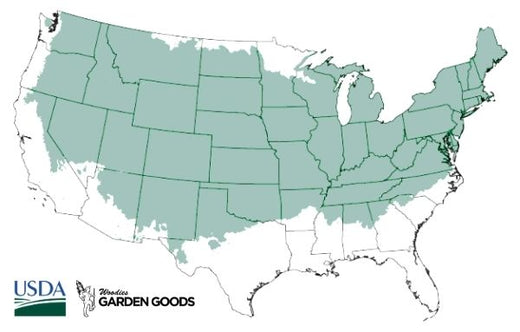
| Hardiness Zone: | 4-7 |
|---|---|
| Mature Height: | 3 to 4 Feet |
| Mature width: | 5 to 6 Feet |
| Sunlight: | Full sun to part shade; tolerates considerable shade |
| Soil | Well-drained soil; prefers evenly moist sandy or loamy soil and does not tolerate wet soil |
| Water | Water regularly until established; drought tolerant once established |
| Bloom Time / Color | Conifer; not grown for ornamental flowers |
| Foliage | Evergreen; Dense dark green needle-like foliage |
| Ornamental Features | Dense spreading habit, evergreen foliage, winter structure, pruning tolerance, low hedge value |
| Wildlife Value | Dense evergreen cover for birds; red arils may attract birds when present |
| Resistance | Rabbit resistant in some references; deer resistance is unreliable because deer may browse yews heavily in winter |
| Landscape Uses | Foundations, low hedges, formal borders, privacy screens, mixed shrub borders, shade gardens, under-tree plantings, evergreen backdrops |
How to Care for Dense Spreading Yew
Be sure to read our planting instructions to ensure a healthy and happy Dense Spreading Yew for years to come!

How should I plant Dense Spreading Yew?
Plant Dense Spreading Yew in full sun to part shade with well-drained soil. It tolerates shade better than many evergreens, but it should not be planted in low, wet spots where water collects around the roots. Avoid compacted soil, heavy wet clay, and harsh exposed winter sites when possible. Dig a hole two to three times wider than the root ball and about the same depth as the container. Set the top of the root ball level with or slightly above the surrounding soil, backfill with native soil, water deeply, and apply a mulch ring around the root zone, keeping it away from the trunk and lower stems.

How often should I water Dense Spreading Yew after planting?
Water Dense Spreading Yew deeply after planting and keep the soil evenly moist during the first growing season. Newly planted yews need consistent moisture while roots grow into the surrounding soil, especially during hot, dry, or windy weather. Water at the base of the plant and avoid constantly wet soil. Once established, Dense Spreading Yew becomes more drought-tolerant and usually needs supplemental watering only during extended dry periods. Fall watering is important if the weather is dry, because broad evergreen plants can suffer winter stress when they enter cold, dry conditions.

When should I fertilize Dense Spreading Yew?
Fertilize Dense Spreading Yew in early spring before new growth begins if growth is weak or foliage color is poor. Use a balanced slow-release evergreen fertilizer or topdress with compost. In good garden soil, established yews often need little fertilizer. Avoid heavy fertilizing late in the season because it can push tender growth before winter. Do not overfeed plants on poor-draining or stressful sites. Good soil drainage, proper watering, mulch, and correct spacing are more important than frequent fertilizing.

When and how should I prune / cut back Dense Spreading Yew?
Prune Dense Spreading Yew in late winter, early spring, or after the first flush of new growth if shaping is needed. This yew tolerates pruning well and can be maintained as a formal hedge, low screen, or more natural mounded shrub. Use clean pruners or hedge shears to shape the outer growth, remove dead or damaged branches, and thin selected stems if the plant becomes too dense. Yews tolerate heavier pruning better than many conifers, but the best long-term approach is to give Dense Spreading Yew enough room to reach its natural width and prune lightly for shape.