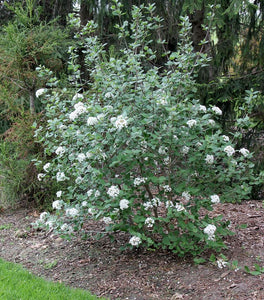
Images Depict Mature Plants
Conoy Viburnum
Viburnum × burkwoodii 'Conoy'
Conoy Viburnum is a great shrub when you want viburnum flowers and foliage in a more compact, landscape-friendly package. It has a dense spreading habit, glossy leaves, and enough seasonal interest to work as more than just a filler shrub. Give it room to spread, plant it with other compatible viburnums if fruit is important, and prune right after flowering to keep the spring bloom show intact.

20% Off Sitewide Sale!
Use Code 'ENDOFSEASON20' At Checkout
📦 Free shipping on orders over $99.
Delay shipping by leaving us a message at Checkout.
Share:

A Compact Viburnum with Glossy Foliage, White Flowers, and Seasonal Berries
Glossy Foliage on a Dense, Spreading Shrub
Conoy Viburnum is a compact Burkwood Viburnum cultivar grown for its dense branching, glossy foliage, white spring flowers, and attractive red fruit that matures to black. Its broad, spreading habit gives the shrub a full landscape presence while staying more manageable than many larger viburnums.
This is a strong choice for homeowners who want a flowering shrub with structure and seasonal interest. In warmer parts of its range, Conoy may hold foliage through winter and function as a semi-evergreen to evergreen screening plant. In colder areas, it may behave more like a deciduous shrub, still returning with fresh foliage and flowers in spring.
White Spring Flowers Followed by Red-to-Black Fruit
In spring, Conoy Viburnum produces clusters of white flowers that add brightness and fragrance to the landscape. The blooms appear against glossy green foliage, bringing a clean, classic look to foundation beds, mixed borders, and flowering hedges.
After flowering, the shrub can produce glossy red drupes that mature to black. Fruit production is usually better when multiple compatible viburnums are planted nearby for cross-pollination. Even when fruit is light, Conoy remains valuable for its foliage, dense habit, and spring flower display.
Ideal for Foundation Plantings, Hedges, and Mixed Shrub Borders
Conoy Viburnum works well as a foundation shrub, low screen, informal hedge, flowering border plant, or mixed evergreen/semi-evergreen backdrop. Its spreading shape makes it especially useful where a wide, layered shrub is needed rather than a narrow upright screen.
Use it near property lines, along patios, beside walkways, in front of taller evergreens, or as part of a mixed privacy planting with hollies, boxwood, cherry laurel, hydrangeas, abelia, and other shrubs. It can also be planted in groups for a fuller hedge effect, allowing enough space for its mature width.
Low Maintenance, Wildlife Friendly, and Drought Tolerant Once Established
Conoy Viburnum is low maintenance once established and adapts to a range of average garden soils. It prefers moist, well-drained soil but can tolerate some dry conditions once roots have developed. Mulching helps keep the root zone cool, conserve moisture, and reduce weed competition.
The spring flowers may attract pollinators, and the fruit can provide seasonal interest for birds when produced. Deer resistance should be described cautiously. Viburnums are sometimes browsed, especially during winter or heavy deer pressure, so Conoy is best considered moderately resistant to variable rather than deer proof.
Easy Care with Sun, Part Shade, and Post-Bloom Pruning
Plant Conoy Viburnum in full sun to part shade with well-drained soil. Full sun encourages the strongest flowering and densest growth, while part shade is useful in hotter climates. Avoid poorly drained sites where roots stay wet for long periods.
Water regularly after planting until established, then water during extended dry spells. Prune only as needed, immediately after flowering, to shape the shrub or control its size. Avoid heavy late-season pruning, because viburnums set flower buds before the next spring bloom and pruning too late can reduce flowers.
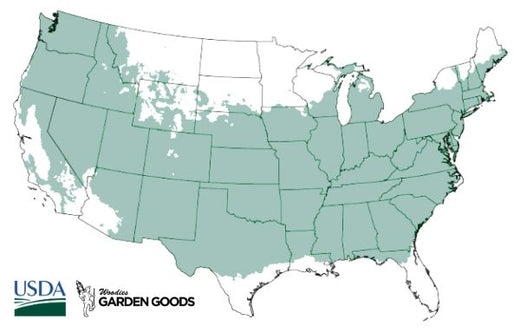
| Hardiness Zone: | 5-8 |
|---|---|
| Mature Height: | 4 to 5 feet |
| Mature Width: | 7 to 8 feet |
| Sunlight: | Full sun to partial shade |
| Soil Condition: | Average, moist, well-drained soil; tolerates a range of soil types |
| Water Requirements: | Water regularly after planting; drought tolerant once established |
| Bloom Time / Color: | Spring; white flower clusters, often fragrant |
| Foliage: | Evergreen to semi-evergreen in warmer zones; may be deciduous in colder zones |
| Ornamental Features: | Compact spreading habit, glossy foliage, white spring flowers, red-to-black fruit, dense shrub structure |
| Resistance (deer/disease/drought/etc.): | Drought tolerant once established; deer browsing can vary; adaptable to average garden conditions |
| Wildlife Value: | Flowers may attract pollinators; fruit can attract birds |
| Landscape Uses: | Foundation plantings, mixed shrub borders, informal hedges, privacy screens, patio plantings, property lines, specimen shrub, mass plantings |
How to Care for Conoy Viburnum
Be sure to read our planting instructions to ensure a healthy and happy Conoy Viburnum for years to come!

How should I plant Conoy Viburnum?
Plant Conoy Viburnum in full sun to part shade with moist, well-drained soil. Choose a location with enough room for the shrub’s mature spread, since Conoy typically grows wider than tall. It works well in foundation beds, mixed shrub borders, informal hedges, and layered privacy plantings. Dig a hole about twice as wide as the root ball and just as deep. Set the top of the root ball level with the surrounding soil, backfill with native soil, and water thoroughly. Apply mulch around the root zone, keeping mulch a few inches away from the main stems.

How often should I water Conoy Viburnum after planting?
Water Conoy Viburnum deeply after planting, then keep the soil evenly moist while roots establish. During the first growing season, water when the top few inches of soil begin to dry, especially during hot or windy weather. Once established, Conoy Viburnum has some drought tolerance but performs best with moderate moisture. Water during extended dry spells to support healthy foliage, flowering, and overall shrub vigor.

When should I fertilize Conoy Viburnum?
Fertilize Conoy Viburnum in early spring if growth is weak or soil fertility is low. A balanced slow-release shrub fertilizer or a layer of compost can support healthy foliage and flowering. Avoid heavy late-season fertilizing, which can encourage tender growth before winter. In many average garden soils, Conoy needs only light annual feeding or compost to stay healthy.

When and how should I prune Conoy Viburnum?
Prune Conoy Viburnum immediately after flowering if shaping is needed. This timing helps preserve the next season’s flower buds while allowing you to control size, remove stray branches, or maintain a denser habit. Avoid heavy pruning in late summer, fall, or winter if spring flowers are important. Remove dead, damaged, or crossing branches whenever needed, but keep major shaping to the post-bloom window.