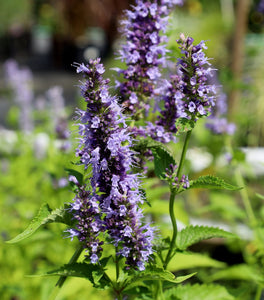
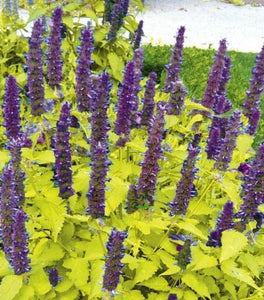
Images Depict Mature Plants
Peachie Keen Agastache
Agastache × rupestris 'Peachie Keen' PP25886
Peachie Keen Agastache is the kind of perennial that earns its spot when you give it the right home. Put it in full sun, keep the soil on the dry, well-drained side, and it rewards you with warm peach-colored flower spikes, fragrant foliage, and steady pollinator activity through the heat of summer. The main mistake is treating it like a moisture-loving perennial; this one wants drainage, airflow, and a little restraint. Plant it high, don’t overfeed it, and let it do what hummingbird mint does best.

15% OFF SITEWIDE SALE
Use Code 'PRIMETIME15' At Checkout
📦 Free shipping on orders over $99.
Delay shipping by leaving us a message at Checkout.
Share:Recommended Add-Ons



Peachie Keen Agastache Brings Warm Peach Blooms to Sunny Pollinator Gardens
Apricot-Peach Flowers That Keep the Garden Moving
Peachie Keen Agastache is a warm-toned hummingbird mint with upright spikes of apricot-peach flowers held above aromatic green foliage. The blooms have a soft, glowing color that fits beautifully into sunny borders, pollinator gardens, cottage-style plantings, and mixed perennial beds where you want color that feels cheerful without being too loud.
The flower spikes are especially useful because they bring vertical texture to the garden. Instead of forming a flat mat of color, Peachie Keen sends up narrow, nectar-rich blooms that catch the eye and invite movement from hummingbirds, butterflies, and bees. The mauve-toned calyxes help extend the color effect even as individual flowers age, giving the plant a longer-lasting presence in the summer landscape.
A Compact Hummingbird Mint With a Clean, Rounded Shape
Peachie Keen Agastache has a dense, rounded habit that remains more refined than many older Agastache varieties. At maturity, expect plants to reach about 20 to 24 inches tall and spread roughly 26 to 32 inches wide. That size makes it easy to work into front-to-middle border spaces without overwhelming neighboring perennials.
The compact shape also makes Peachie Keen a strong choice for repeating in groups. Plant three or more together for a fuller drift, tuck it between ornamental grasses for soft movement, or use it near walkways and patios where the minty, fragrant foliage can be enjoyed up close. In containers, it works especially well as a colorful upright “thriller” when paired with trailing or mounding sun-loving companions.
Built for Full Sun, Heat, and Well-Drained Soil
Peachie Keen Agastache performs best in full sun, where it can build sturdy stems and produce the strongest flower show. Give it at least 6 hours of direct sun per day, with hotter, brighter sites often bringing out the best performance. This is not a plant for wet shade or heavy, soggy soil.
Good drainage is the most important care detail. Agastache prefers average to lean soil that drains quickly, and it can struggle in heavy clay or low spots that stay wet after rain. Once established, Peachie Keen is drought-tolerant and appreciates deep, less frequent watering rather than constant moisture. In humid regions, provide airflow and avoid crowding to help the plant stay clean and vigorous.
A Pollinator-Friendly Perennial for Borders, Containers, and Cut Flowers
Peachie Keen Agastache is a smart choice for homeowners who want a garden that looks good and works hard for pollinators. The tubular peach flowers are especially appealing in hummingbird gardens, while butterflies and bees also visit the blooms through the warm season. Use it with coneflowers, salvias, catmint, sedum, yarrow, ornamental grasses, and other full-sun perennials for a layered, wildlife-friendly planting.
In the landscape, Peachie Keen works well in sunny foundation beds, dry border edges, cottage gardens, mixed perennial plantings, and low-water designs. The flowers can also be clipped for small arrangements, adding a soft peach accent and vertical line to summer bouquets. For the best display, plant it where the soil drains well and where the plant can receive plenty of sun from morning through afternoon.
Low-Maintenance Color With One Important Rule
Peachie Keen Agastache is easy to enjoy when planted in the right spot. It does not need rich soil or heavy feeding; too much fertilizer can encourage soft, floppy growth. A light spring feeding or a thin layer of compost is usually enough in average garden soil. Deadheading can keep plants looking tidy and may encourage additional blooms, but the plants do not require constant fussing to look good.
In colder or wetter winter climates, leave the old stems standing through winter and cut them back in spring once new growth begins. This helps protect the crown and avoids encouraging moisture issues at the base of the plant. Like many Agastache, Peachie Keen may be shorter-lived in poorly drained sites, so planting it high, avoiding winter-wet soil, and giving it sun are the best ways to keep it thriving.
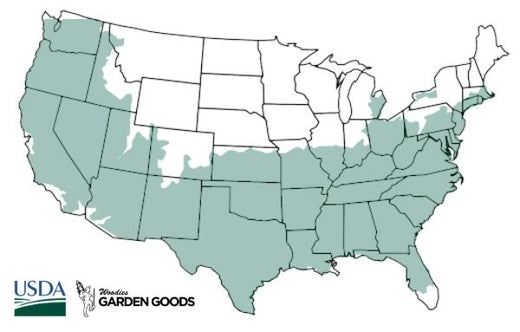
| Hardiness Zone: | 6-9 |
|---|---|
| Mature Height: | 20 to 24 inches |
| Mature Width: | 26 to 32 inches |
| Sunlight: | Full sun; at least 6 hours of direct sun is best |
| Soil | Average to lean, sharply well-drained soil |
| Water | Water regularly after planting; drought tolerant once established |
| Bloom Time / Color | Mid-summer into fall; apricot-peach flowers with mauve to purplish-pink calyxes |
| Foliage: | Bright green, aromatic, mint-scented foliage |
| Ornamental Features | Warm peach flower spikes, fragrant foliage, compact mounded habit, long bloom season |
| Wildlife Value | Attracts hummingbirds, butterflies, bees, and other pollinators |
| Resistance | Deer resistant, rabbit resistant, drought tolerant once established, heat tolerant, and generally low maintenance |
| Landscape Uses | Sunny borders, pollinator gardens, cottage gardens, containers, mass plantings, cut flower gardens, dry garden beds |
How to Care for Peachie Keen Agastache
Be sure to read our planting instructions to ensure a healthy and happy Peachie Keen Agastache for years to come!

How should I plant Blue Fortune Agastache?
Plant Peachie Keen Agastache in a sunny location with fast-draining soil. Choose a spot that receives at least 6 hours of direct sunlight per day, and avoid low areas where water collects after rain. If your soil is heavy clay, improve drainage by planting slightly high, using a raised bed, or mixing in mineral material to help water move away from the crown. Dig a hole about twice as wide as the root ball and no deeper than the container. Set the plant so the top of the root ball sits level with or slightly above the surrounding soil, then backfill gently and water well. Space plants about 26 to 32 inches apart so they have room to form a rounded clump with good airflow.

How often should I water Peachie Keen Agastache after planting?
Water Peachie Keen Agastache deeply after planting and continue watering regularly during the first growing season while roots establish. In the first few weeks, check the soil often and water when the top few inches begin to dry. The goal is evenly moist, not soggy. Once established, Peachie Keen becomes more drought-tolerant and prefers deeper, less frequent watering. Avoid daily light watering, especially in heavy soils, because constant moisture around the crown can lead to root or crown problems. In containers, check more often because pots dry out faster than garden beds.

When should I fertilize Peachie Keen Agastache?
Fertilize Peachie Keen Agastache lightly in spring as new growth begins. In average garden soil, a modest application of a balanced slow-release fertilizer or a light topdressing of compost is usually enough. This plant does not need heavy feeding to bloom well. Avoid overfertilizing, especially with high-nitrogen fertilizer. Too much fertility can encourage soft, floppy growth and may reduce the plant’s natural toughness. Peachie Keen performs best when grown a little lean, with sun, drainage, and airflow doing most of the work.

When and how should I prune / cut back Peachie Keen Agastache?
Leave Peachie Keen Agastache standing through winter, especially in colder or wetter climates. The old stems help protect the crown and provide a little extra winter structure in the garden. Wait until spring, when new growth begins to show at the base, before cutting back the previous season’s stems. In spring, trim the old stems down to just above the new growth. During the growing season, you can deadhead spent flower spikes to keep the plant tidy and encourage continued bloom. Avoid cutting it hard in fall, particularly in regions with wet winters, because that can leave the crown more exposed to moisture and cold.