

Images Depicted Range in Maturity & Container Size
Pots & Decorations Not Included Unless Otherwise Stated
Boston Fern
Nephrolepis exaltata
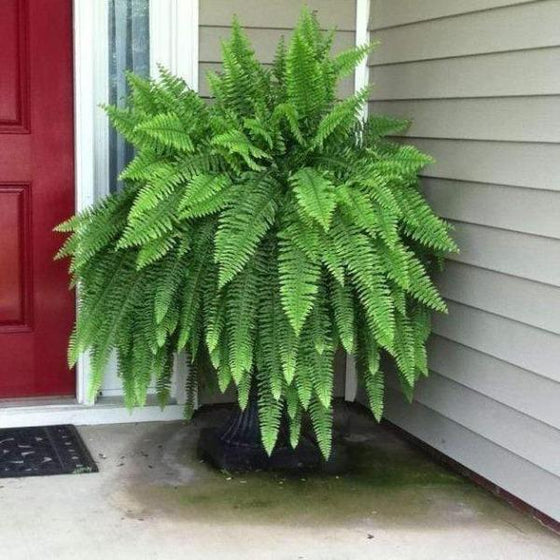
Boston Ferns have been adding elegance to homes and porches for hundreds of years. These look great as hanging plants or placed on a plant stand as a single specimen or grouped with other house plants.

20% Off Sitewide Sale!
Use Code 'ENDOFSEASON20' At Checkout
📦 Free shipping on orders over $99.
Share:Recommended Add-Ons


Boston Fern Plants for Sale Online
Feathery Green Fronds That Instantly Soften a Room
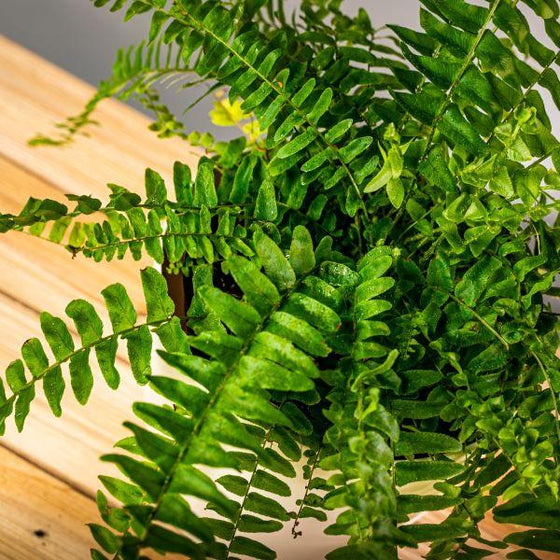
Boston Fern brings a classic, full-bodied look that makes indoor spaces feel fresher and more finished right away. Its long, arching fronds are finely textured, soft-looking, and densely layered, which gives the plant a lush, fountain-like shape that reads as relaxed and inviting. Unlike stiffer foliage plants that create a sharper, more architectural look, the Boston fern adds movement and softness. That makes it especially useful in rooms that need texture, natural fullness, or a little visual relief from hard edges, straight lines, and heavy furniture.
The beauty of the Boston fern also lies in its timeless feel. It works in traditional interiors, cottage-inspired rooms, bright bathrooms, covered porches, and more modern spaces that need a greener, more organic element. The foliage stays appealing without relying on flowers, and the plant looks generous even at moderate sizes. For plant lovers who want a leafy indoor plant that feels classic rather than trendy, the Boston fern has lasting decorative value. It is the kind of houseplant that quietly improves a room by making it feel cooler, softer, and more alive.
A Great Choice for Hanging Baskets, Plant Stands, and Humid Rooms
One of the best things about the Boston fern is its flexibility in indoor styling. It looks beautiful in hanging baskets where the fronds can arch and drape naturally, but it also performs well in pedestal planters, plant stands, and tabletop containers where the foliage can spread without being crowded. Because the plant tends to form a broad, full shape rather than growing upright like a cane plant or trailing like a vine, it is especially effective where you want width, softness, and layered greenery instead of vertical height.
This makes Boston fern a strong fit for bright bathrooms, kitchens, sunrooms, laundry rooms, and bedrooms with filtered light. It is also an excellent option for homeowners who want a pet-friendly houseplant in a more accessible part of the home. In humid rooms, the fronds usually stay fresher and more vibrant, enhancing the plant’s value as a décor choice. If your goal is to create a room that feels more lived-in, more comfortable, and less rigid, the Boston fern is one of the easiest ways to bring that effect indoors with real fullness and natural texture.
Best Results Come From Even Moisture and Higher Humidity
Boston fern is often loved for its look, but it performs best when its care routine is understood clearly from the start. This is not a plant that likes to go bone dry for long stretches. It generally prefers evenly moist soil, good drainage, and regular attention to humidity, especially indoors where heated or air-conditioned air can become dry. When the plant gets the moisture balance right, the fronds stay fuller, greener, and more supple. When it dries too far, the leaflets can brown and shed quickly.
Light matters too, but in a different way than with many sun-loving houseplants. Boston fern typically prefers bright, indirect light or filtered light rather than direct, hot sun. Too much harsh sun can scorch or bleach the foliage, while very low light can reduce vigor over time. Humidity is often the bigger challenge in average homes, which is why pebble trays, humidifiers, or naturally humid rooms can make such a difference. For plant lovers willing to give this fern a more moisture-conscious routine, Boston fern rewards that effort with a lush, classic look that many indoor plants simply cannot replicate.
A Pet-Friendly, Giftable Houseplant With Everyday Appeal
Boston fern makes an excellent gift plant because it feels generous, familiar, and easy to appreciate right away. It works well for housewarmings, birthdays, thank-you gifts, and everyday home upgrades because the plant looks full and established quickly. It also has broad household appeal thanks to its softer texture and traditional houseplant character. For someone building a greener home, it adds fullness and calm without needing bold color or oversized tropical leaves to make an impression.
Its pet-friendly status is another major advantage. Boston fern is listed as non-toxic to cats and dogs, which makes it easier to place in homes where pets are part of daily life. That does not mean it should be treated roughly or used as a chew toy, but it does reduce a major concern that comes with many common indoor plants. For plant lovers who want a safe, leafy, classic indoor plant with soft texture and strong styling flexibility, Boston fern remains one of the best options available.
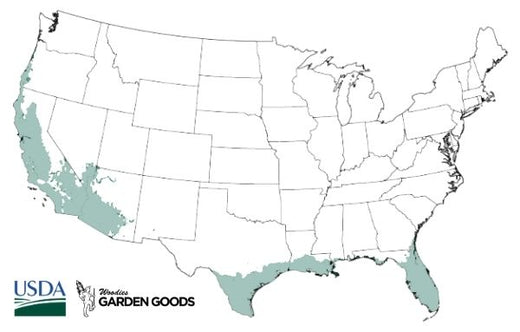
| Hardiness Zone | 9-11 |
|---|---|
| Mature Height: | 12 to 18 Inches |
| Mature Width: | 18 to 36 Inches |
| Classification: | Green Foliage |
| Sunlight: | Bright, indirect light to mostly shade |
| Habit: | Cascading, dense |
| Flower Color: | Does not flower |
| Foliage: | Green, flat fronds |
| Soil Condition: | Prefers soil that will retain moisture |
| Water Requirements: | Does not like to dry out between watering |
| Uses: | Excellent individually or in a container or hanging basket, inside or out |
How to Care for Boston Fern
Before you buy a Boston Fern Plant, be sure to read the recommended care instructions to ensure your plant remains happy and healthy for years to come!

What is the best light for Boston Ferns?
Indoors, Boston Fern needs bright, indirect light from a windowsill. Northern or eastern-facing windows would keep your plant happy. Outside, Boston Ferns can handle some sun, but not much. Again, eastern exposure or dappled shade would be ideal. The fronds will burn and turn yellow then brown if exposed to too much sunlight.

How often do I water Boston Fern Plants?
Boston Ferns thrive best in slightly moist but never soggy soil conditions. If their soil dries out, the fern's foliage will quickly dry out and fall off the plant. However, do not overwater this plant. Soggy soil could cause root rot and damage your plant's root system. A way to avoid this problem is to plant your fern in a well-draining potting mix. During the fall and winter months, slightly reduce your watering schedule. The plant has entered its growth dormancy period and does not need the same care requirements it needs in the spring and summer.

How do I fertilize Boston Ferns?
You should be fertilizing your Boston Fern from spring to early fall. When feeding your plant, we recommend using a liquid houseplant fertilizer at half the recommended dose. Doing so will ensure you do not burn the roots of your plant. Do this once a month to give your plant the right amount of nutrients it requires to grow happy and healthy. During late fall and winter, do not fertilize your plant. They have entered their growth dormancy period and do not need to be fertilized.

What is the best soil for Boston Fern Plants?
Boston Fern likes dense soil and prefers to have moist conditions. Plants can not stay constantly wet but do not like to go completely dry either. It's best to use a regular potting mix or a potting mix based on peat moss, which retains moisture. Poorly draining soil conditions will cause root rot, and if that is not fixed quickly, this disease could kill your houseplant. Any rich, loamy soil with good drainage will make your fern very happy.