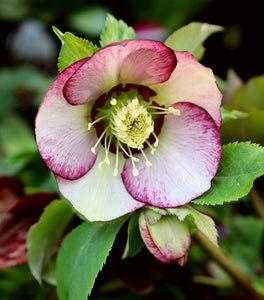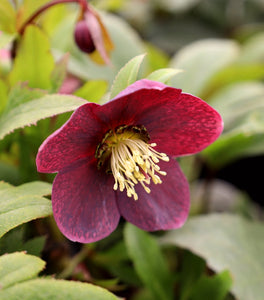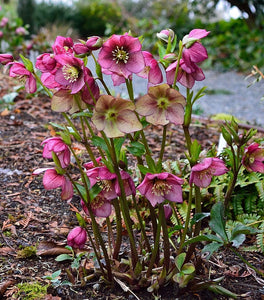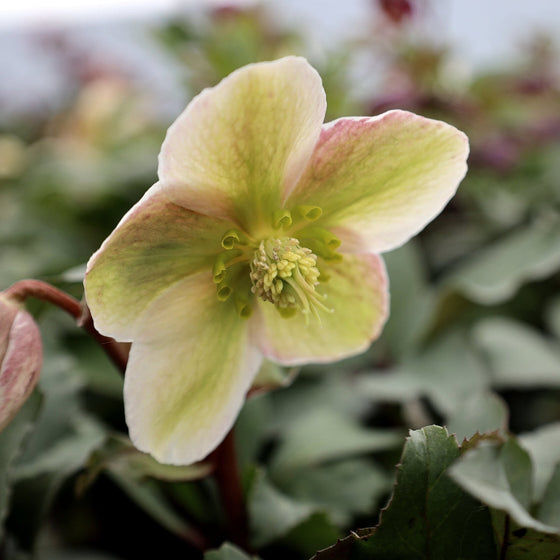


Images Depict Mature Plants
Ivory Prince Hellebore
Helleborus x hybridus 'Walhelivor' Plant Patent #16199
Ivory Prince is the hellebore I point to when someone wants shade to feel elegant in late winter—creamy blooms that glow in low light, sturdy stems that show the flowers off, and an evergreen clump that keeps the bed looking finished year-round. Give it good drainage, keep it evenly moist in year one, and do that quick late-winter leaf cleanup so the blooms aren’t hidden, and it’ll become one of your most dependable “start spring early” plants.

15% OFF SITEWIDE, USE CODE 'SUMMERFAV15'
FREE SHIPPING ON ORDERS $99+
📦 Free shipping on orders over $99.
Delay shipping by leaving us a message at Checkout.
Share:



Creamy Winter-Blooming Hellebore With Evergreen Shade-Garden Structure
Creamy Ivory Blooms That Start Spring Early
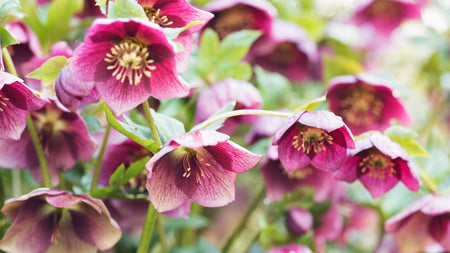
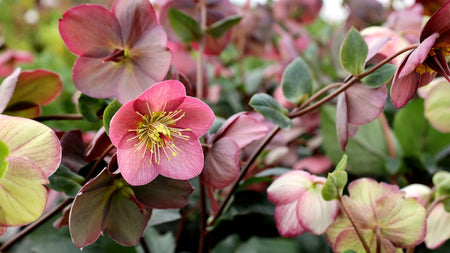
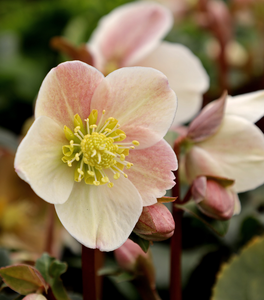
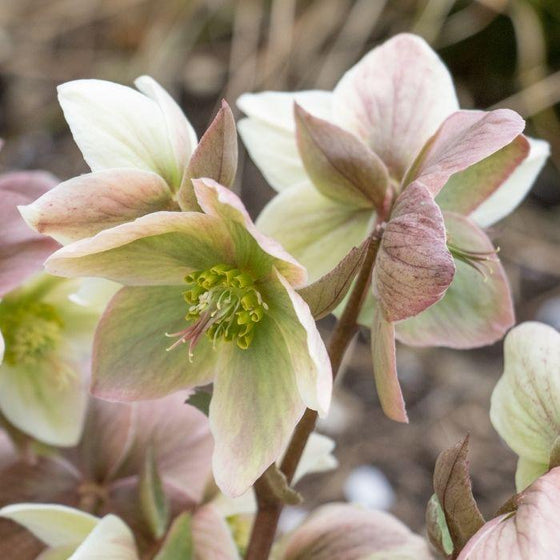
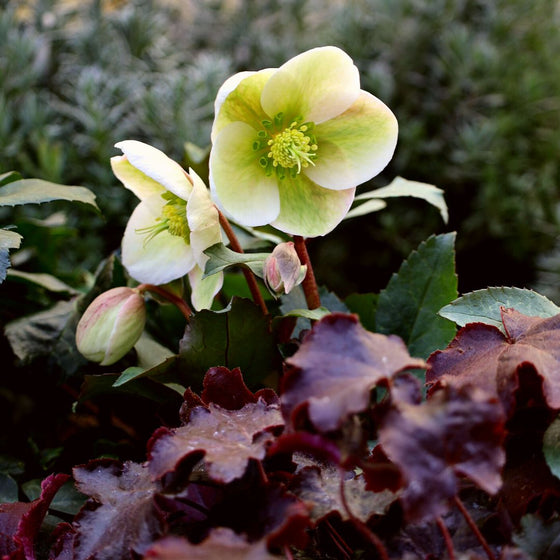
Ivory Prince Hellebore is one of the most refined ways to bring flowers into late winter shade. Buds often appear with a deep burgundy-pink tone, then open into creamy ivory blooms that face up and outward for an easy-to-see display. As the flowers mature, they can take on soft blushes and greenish highlights, creating a gentle color shift that looks sophisticated rather than flashy. The result is weeks of bloom when most gardens are still waiting for spring.
This hellebore earns a front-row seat. Plant it near a walkway, entry, or patio where you’ll notice the flowers during the quiet season. In woodland borders, Ivory Prince plays beautifully with early bulbs and emerging ferns, giving you a reliable “first act” that looks intentional, not accidental, exactly what gardeners want from a premium winter-blooming perennial.
Evergreen Foliage That Keeps Shade Beds Looking Designed
Even after bloom season, Ivory Prince keeps its value high with thick, leathery evergreen foliage. The clump stays tidy and mound-forming, which is a big win in shade beds where many perennials disappear, leaving gaps. That evergreen presence creates structure under deciduous trees and along foundation plantings, helping the garden look finished year-round—not only in peak bloom.
Use it as a repeating anchor at the front of a shade border, or tuck it beneath shrubs to create a clean base layer. The foliage pairs naturally with hostas, heuchera, epimedium, and shade grasses, adding texture without visual clutter. If your goal is a shade garden that looks “settled in” and thoughtfully layered, Ivory Prince is one of the easiest building blocks to rely on.
Deer Resistance And Low-Fuss Reliability For Real Landscapes
Ivory Prince thrives in partial shade to full shade and prefers rich, well-drained soil that stays evenly moist while it establishes. Once it’s rooted in, it becomes more forgiving of short dry spells than many flowering perennials, especially in shade and with a light mulch layer. It also handles common shade-garden realities like tree-root competition and the moisture swings that happen under canopies.
It’s generally deer and rabbit-resistant, which makes it a smart choice for gardeners who want winter flowers without worry. There’s no staking, no constant deadheading, and no delicate behavior to manage. The biggest “care secret” is timing: a quick late-winter cleanup of older leaves makes the blooms stand out and keeps the plant looking crisp, healthy, and intentionally maintained.
A Polished Fit For Borders, Woodland Edges, And Containers
Ivory Prince is exceptionally versatile. In the ground, it shines along woodland edges and shaded borders where its creamy blooms glow against bark, stone, and evergreen backdrops. In foundation beds, it adds evergreen structure and early flowers without taking over. It’s also a standout in containers near an entry, compact, full at the base, and bloom-forward when most pots are bare.
For the most elegant look, plan spacing and let the clump mature. Give each plant room to reach its full width, then refresh it in late winter by removing older foliage so the flowers aren’t hidden. That single step makes Ivory Prince look “garden-designed” rather than simply “garden-present,” and it’s why this variety is such a favorite among shoppers who want reliable winter interest with a refined finish.
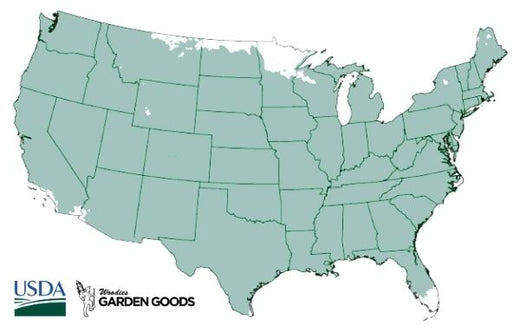
| Hardiness Zone: | 4-9 |
|---|---|
| Mature Height: | 12 to 18 Inches |
| Mature Width: | 18 to 24 Inches |
| Sunlight: | Part shade to full shade (morning sun is fine) |
| Water Requirements: | Moderate; consistent moisture while establishing |
| Soil | Rich, well-drained; moisture-retentive but not soggy |
| Bloom Time / Color | Late winter to early spring; burgundy-pink buds open to creamy ivory white, aging with blush/green tones |
| Wildlife Value | Early nectar/pollen support for emerging pollinators |
| Resistance (deer/disease/drought/etc.) | Deer and rabbit resistant; tolerates dry shade once established |
| Landscape Uses | Shade borders, woodland gardens, under trees, foundation beds, containers, winter interest |
How to Care for Ivory Prince Hellebore
Be sure to read our planting instructions to ensure a healthy and happy Ivory Prince Hellebore plant for years to come!
-v1772637881969.png?92x91)
How should I plant Ivory Prince Hellebore?
Plant Ivory Prince Hellebore in part shade to full shade in rich, well-drained soil. Dig a hole about twice as wide as the root ball and set the plant so the crown sits level with the soil surface. Backfill (mix in compost if your soil is lean), water deeply, and apply a light mulch layer while keeping mulch a few inches away from the crown. Choose a spot where it can stay for years, because hellebores prefer to settle in and build a stronger clump over time. Avoid low areas that stay wet in winter, and prioritize drainage plus steady moisture during the first growing season for the best evergreen foliage and bloom performance.
-v1772637914201.png?89x84)
How often should I water Ivory Prince Hellebore after planting?
Water thoroughly at planting, then keep the soil evenly moist through the first growing season. In most shade gardens, that means deep watering about once or twice per week during dry stretches, adjusting for heat, wind, and tree-root competition. The goal is consistent moisture without keeping the soil soggy. Once established, Ivory Prince becomes more tolerant of short dry spells, especially in shade and with mulch. It still looks best with an even moisture rhythm in summer, which supports healthier evergreen foliage and stronger flowering the following late winter and spring.
-v1772637933747.png?90x89)
When should I fertilize Ivory Prince Hellebore?
Fertilize lightly in early spring as new growth begins using a balanced slow-release fertilizer, or top-dress with compost. This supports steady growth and helps the plant recharge after blooming without forcing soft, weak foliage. If your soil is already rich, compost alone is often enough. Avoid heavy late-season feeding, which can encourage tender growth at the wrong time and reduce the plant’s overall resilience going into winter.

When and how should I prune Ivory Prince Hellebore?
In late winter, remove older, tired leaves at the base to reveal emerging flowers and keep the clump looking clean. This simple cleanup improves airflow and makes the creamy ivory blooms stand out rather than get lost in last season’s foliage. After flowering, cut spent flower stems at the base to tidy the plant and direct energy into foliage and roots. Leave healthy new leaves in place through summer and fall, since they fuel the plant and provide the evergreen structure you want year-round.