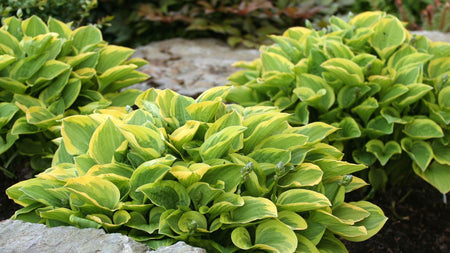
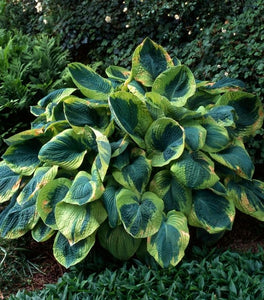
Images Depict Mature Plants
Empress Wu Hosta
Hosta x 'Empress Wu USPP20,774
I've seen a tremendous number of hostas throughout my career, but Empress Wu is one of those plants that makes you stop and take a second look. When you see a mature specimen, it's hard to believe you're looking at a hosta rather than some enormous tropical foliage plant. The leaves are absolutely impressive, with that rich blue-green color, deep veining, and incredible size. What I particularly like is using Empress Wu as a single architectural focal point in a large woodland garden or shaded landscape bed. You don't need a dozen of them to make an impact; one mature plant can completely change the appearance of a garden. I always remind homeowners that this is a plant you need to give plenty of room, because a mature Empress Wu can easily become 5 to 6 feet wide and 3 to 4 feet tall. It also takes several years to develop its full size, so patience is part of the process. Give it good soil, adequate moisture, and protection from hot afternoon sun. I also recommend protecting it from deer, because one hungry deer can quickly ruin those beautiful leaves. If you want a truly spectacular shade perennial that becomes more impressive with age, Empress Wu is one of the finest giant hostas you can grow.

15% Off Sitewide Sale!
Use Code 'SEASON15' At Checkout
📦 Free shipping on orders over $99.
Delay shipping by leaving us a message at Checkout.
Share:



Empress Wu Hosta – Enormous Blue-Green Leaves Create an Extraordinary Shade Garden Focal Point
Empress Wu Hosta Brings Unmatched Scale to Shade Gardens
Empress Wu Hosta is an extraordinary giant perennial that transforms shaded landscapes with enormous blue-green leaves, dramatic upright growth, and exceptional mature size. Known botanically as Hosta 'Empress Wu', this impressive cultivar was developed by Brian and Virginia Skaggs and has become one of the most recognizable giant hostas in ornamental horticulture. Unlike ordinary hostas that form relatively modest clumps, Empress Wu develops into a substantial architectural specimen with broad, deeply veined leaves held on strong, upright stems. Its enormous foliage creates a lush, almost tropical appearance that immediately attracts attention in woodland gardens, shaded borders, and residential landscapes.
What makes Empress Wu particularly appealing is its ability to provide the visual impact of a much larger landscape plant while retaining the dependable growth habit of a hardy perennial. Mature specimens commonly reach 36 to 48 inches tall and approximately 60 to 72 inches wide, with exceptional plants capable of exceeding those dimensions under ideal conditions. The thick, heart-shaped leaves overlap to create an enormous mound of foliage that provides outstanding coverage and texture throughout the growing season. For homeowners looking for a giant hosta that serves as a true landscape centerpiece, Empress Wu offers an extraordinary combination of size, ornamental character, and long-term garden value.
Massive Blue-Green Leaves Create Extraordinary Foliage Impact
The most distinctive feature of Empress Wu Hosta is its huge, heavily veined foliage, which can become dramatically larger than the leaves of ordinary hosta varieties. The broad, heart-shaped leaves develop rich green to blue-green tones and display pronounced veins that give the foliage a deeply textured, architectural appearance. Mature leaves may exceed 18 inches in both length and width, while especially vigorous specimens can produce foliage of even greater dimensions. Their substantial texture creates a bold visual statement that stands out beautifully against delicate ferns, fine-leaved groundcovers, and smaller ornamental perennials.
The foliage color also contributes to Empress Wu's exceptional appearance. In shaded conditions, the leaves often display attractive blue-green tones, particularly during spring and early summer. As the season progresses, the foliage may become greener, especially in brighter or warmer growing conditions. The large, overlapping leaves create a substantial canopy that fills garden beds with rich color and texture. Because Empress Wu is grown primarily for its foliage, protecting the leaves from intense afternoon sun, slug damage, and deer browsing is especially important. When properly maintained, its massive sculptural leaves provide an impressive focal point from spring until autumn dormancy.
A Giant Hosta That Can Reach Four Feet Tall and Six Feet Wide
Empress Wu Hosta is famous for its exceptional mature dimensions, making it one of the most dramatic hostas available for residential landscaping. Established specimens commonly reach approximately 3 to 4 feet tall, with a mature spread of 5 to 6 feet. Its strong, upright growth habit allows the foliage to rise prominently above surrounding plants, creating a substantial mound rather than a flat groundcover. Under particularly favorable growing conditions and after many years of development, some specimens can exceed these dimensions. This makes Empress Wu a genuine architectural perennial rather than simply a larger version of a conventional hosta.
Because of its extraordinary size, adequate planting space is essential. Avoid positioning Empress Wu immediately beside narrow walkways, small shrubs, or delicate perennials, as its expanding foliage may eventually overwhelm them. Instead, give the plant a prominent location where its mature dimensions can be appreciated. A single established Empress Wu can become the visual centerpiece of a substantial woodland bed or shaded foundation planting. Its broad leaves also create excellent ground cover beneath taller trees, helping visually connect larger landscape elements with lower-growing perennials. For gardeners seeking a bold, substantial shade plant with long-term impact, Empress Wu is difficult to overlook.
A Stunning Architectural Specimen for Woodland Gardens
Empress Wu Hosta is particularly well suited to woodland gardens, large shaded borders, and landscape areas where dramatic foliage structure is needed. Its enormous leaves provide a bold contrast to the delicate textures of ferns, astilbes, and smaller hostas. When planted beneath mature shade trees, Empress Wu creates a lush understory appearance that adds depth and scale to the garden. Its upright foliage makes it especially effective as a specimen plant, where it can be viewed from several directions and appreciated for the size and texture of its leaves.
For an especially attractive composition, pair Empress Wu with plants featuring contrasting foliage colors and shapes. Golden hostas, Japanese Painted Ferns, coral bells, and shade-loving groundcovers can create beautiful combinations around its massive blue-green leaves. Its substantial growth also works well near natural stone, shaded patios, and woodland pathways, provided there is enough space for the mature plant. In large landscapes, repeating Empress Wu at intervals can create a dramatic sequence of architectural foliage. However, even a single well-positioned specimen can serve as an impressive focal point, giving the entire planting a more established and sophisticated appearance.
Pale Lavender Flowers Add a Beautiful Summer Accent
Although Empress Wu Hosta is grown primarily for its enormous foliage, it also produces attractive pale lavender to reddish-violet flowers during early to midsummer. The blossoms appear on upright flower scapes that rise above or near the top of the substantial foliage mound. Individual flowers are bell-shaped to funnel-shaped and arranged along the flowering stems, creating a delicate contrast against the broad leaves below. The flower color is relatively subtle, allowing the enormous foliage to remain the main ornamental feature while adding seasonal interest during the warmer months.
The flowers can also attract visiting pollinating insects, providing another reason to allow the plant to bloom naturally. Once flowering has finished, spent flower stalks may be removed if a tidier appearance is preferred. The enormous leaves remain the primary ornamental attraction, providing bold texture long after the blossoms have faded. For homeowners who appreciate flowering perennials but want a plant that remains visually impressive throughout the growing season, Empress Wu offers the ideal balance of dramatic foliage and understated summer flowers.
Strong Growth Builds an Impressive Mature Clump Over Time
One important characteristic of Empress Wu Hosta is that its extraordinary mature size develops over several growing seasons. Although young plants may already produce noticeably large leaves, the full clump typically requires approximately five years or longer to reach its mature dimensions in the landscape. This gradual development is normal and should be taken into account when planning a planting. As the root system expands and the crown becomes more substantial, the plant produces increasingly vigorous growth and larger foliage each spring.
For the best development, provide fertile, organically rich soil with consistent moisture and suitable shade. A layer of compost or organic mulch helps maintain soil structure, moderate root-zone temperatures, and conserve moisture. Avoid repeatedly moving or dividing young plants, since allowing the clump to establish undisturbed generally supports stronger long-term growth. The plant's expanding size is part of its appeal, and homeowners should expect a gradual transformation from a young perennial into a magnificent architectural specimen. With appropriate care and patience, Empress Wu can become one of the most impressive plants in a mature shade garden.
Perfect for Moist, Fertile Soil and Partial Shade
Empress Wu Hosta performs best in partial shade to full shade, particularly in locations protected from intense afternoon sunlight. Its enormous leaves provide outstanding ornamental value but can become stressed when exposed to excessive heat and drying conditions. Morning sunlight or bright filtered shade is often ideal because it supports healthy foliage development without subjecting the leaves to the harshest afternoon temperatures. In cooler climates, the plant may tolerate additional sunlight when soil moisture remains adequate, but protection from prolonged hot sun is generally beneficial.
The ideal soil is fertile, rich in organic matter, consistently moist, and well-drained. Large hostas require adequate water to support their substantial foliage, especially during spring growth and summer heat. Newly planted specimens should be watered regularly while their root systems establish, and mature plants benefit from supplemental irrigation during prolonged dry weather. Avoid persistently waterlogged conditions, which can damage the roots. Applying organic mulch around the base helps conserve moisture and maintain cooler soil temperatures. With proper shade and consistent soil moisture, Empress Wu develops the strong, healthy leaves that make it such a remarkable landscape specimen.
Easy-Care Perennial Beauty with Proper Deer and Slug Protection
Despite its extraordinary size, Empress Wu Hosta is a relatively straightforward perennial to maintain when planted in suitable conditions. Its foliage emerges each spring, expands throughout the growing season, and eventually dies back after autumn frosts. Routine maintenance consists primarily of watering, occasional feeding, and removing damaged or dead foliage. A balanced slow-release fertilizer or a modest application of compost in spring can support vigorous growth when soil fertility is limited. Avoid excessive fertilization, especially late in the growing season, when new growth may not have sufficient time to mature before winter.
One important consideration is that hostas are attractive to deer, and Empress Wu should not be considered deer resistant. Although its thick leaves may offer some resistance to minor physical damage, browsing animals can quickly remove substantial foliage. Slugs and snails may also create holes in the leaves, particularly in consistently moist gardens. Where these pests are common, use appropriate preventive measures and inspect the plant regularly. Remove damaged foliage as needed, and cut back dead leaves after autumn frost or before new spring growth begins. With adequate protection and good cultural care, Empress Wu Hosta can provide years of extraordinary foliage beauty in shaded residential landscapes.
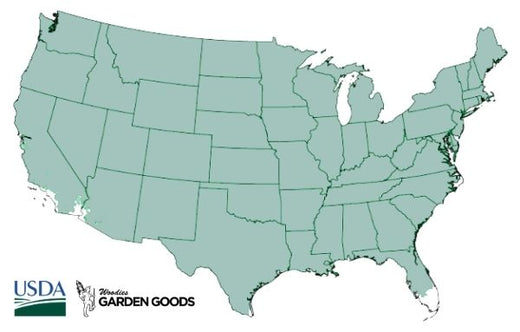
| Hardiness Zone: | 3-9 |
|---|---|
| Mature Height: | 36 to 48 Inches |
| Mature Width: | 60 to 72 inches |
| Sunlight | Part shade to full shade |
| Soil | Fertile; organically rich; moist; well-drained |
| Water | Moderate to consistent; water during dry periods |
| Bloom Time / Color | Early to midsummer; Pale lavender to reddish-violet |
| Foliage | Massive blue-green to deep green leaves with deep veining and heavy substance |
| Ornamental Features | Enormous leaves; prominent veins; architectural upright clump |
| Wildlife Value | Flowers may attract visiting pollinators |
| Resistance | deer frequently browse hostas |
| Landscape Uses | Specimen; woodland garden; shaded border; large foundation planting |
How to Care for Empress Wu Hosta
Be sure to read our planting instructions to ensure a healthy and happy Hosta ‘Empress Wu’ plant for years to come!

How should I plant Empress Wu Hosta?
Plant Empress Wu Hosta in a location receiving partial shade to full shade, preferably with morning sunlight or bright filtered light and protection from intense afternoon heat. Choose a planting area with fertile, organically rich soil that remains consistently moist while draining well. Because Empress Wu develops into an exceptionally large perennial, allow at least 5 to 6 feet of space for its mature spread, with additional room where possible. Dig a planting hole approximately twice as wide as the root ball but no deeper than its original planting depth. Position the crown level with the surrounding soil, backfill carefully, and water thoroughly. Incorporate compost when necessary to improve soil structure and moisture retention. Apply a 2 to 3-inch layer of organic mulch around the root zone to conserve moisture and regulate soil temperatures, keeping mulch away from the crown. Avoid planting directly beneath shallow-rooted trees where intense root competition creates persistently dry soil. Empress Wu works particularly well as a specimen in woodland gardens, substantial shaded borders, and large foundation beds. Choose its permanent location carefully because the plant becomes increasingly substantial as it matures.

How often should I water Empress Wu Hosta after planting?
Water Empress Wu Hosta thoroughly immediately after planting, then maintain evenly moist but well-drained soil throughout establishment. Newly planted specimens require regular attention while their roots expand into the surrounding soil. Check moisture several inches below the surface and irrigate when the soil begins to dry. During warm weather, young plants may need more frequent watering, particularly when planted near tree roots or in locations receiving several hours of direct sunlight. Deep watering encourages stronger root development and supports the production of large, healthy leaves. Once established, Empress Wu still benefits from consistent moisture during spring growth and summer heat. Its enormous leaves require adequate water to maintain their full size and attractive appearance. During prolonged drought, supplemental irrigation can help prevent wilting, leaf-edge browning, and reduced growth. A layer of organic mulch helps conserve moisture and maintain cooler root temperatures. Avoid constantly saturated soil, which can damage the roots. For the best foliage development, water deeply when needed rather than relying on frequent shallow irrigation.

When should I fertilize Empress Wu Hosta?
Empress Wu Hosta benefits from moderate fertility in organically rich soil, particularly as the plant develops its substantial foliage. If supplemental nutrients are needed, apply a balanced, slow-release fertilizer in early spring as new shoots emerge. A modest layer of compost around the root zone can also help maintain soil fertility and structure. Follow the manufacturer's application instructions, keeping concentrated fertilizer away from the crown. Healthy soil supports the strong root system necessary for the development of Empress Wu's enormous leaves. Avoid excessive nitrogen fertilization or repeated heavy feeding throughout the growing season. Too much fertilizer can encourage unnecessarily soft growth and may increase susceptibility to stress. Do not apply heavy fertilizer late in summer or autumn, when new growth may not mature sufficiently before winter. If the plant is growing vigorously and producing healthy foliage, additional feeding may not be necessary. Consistent moisture, adequate shade, and fertile soil are generally more important than aggressive fertilizer applications.

When and how should I prune Empress Wu Hosta?
Empress Wu Hosta requires very little routine pruning because it naturally develops an attractive, upright foliage mound. During the growing season, remove individual leaves that become badly damaged by slugs, deer, or physical injury. Use clean pruning tools and cut damaged leaf stalks near the base without injuring the crown. After the summer flowering period, spent flower scapes can be removed if a cleaner appearance is preferred. Leave healthy foliage in place because it continues producing energy that supports the following year's growth. After autumn frost causes the foliage to decline, remove dead leaves in late fall or early spring before new growth emerges. Cleaning up damaged foliage can also reduce hiding places for slugs and other garden pests. Avoid cutting into the dormant crown or disturbing emerging shoots. Empress Wu generally performs best when allowed to mature undisturbed, so routine division is unnecessary. If division eventually becomes necessary because of space limitations, divide during cool weather in spring and replant sections promptly with consistent moisture.