Images Depict Mature Plants
David Viburnum
Viburnum davidii
David Viburnum is a great shrub when you want evergreen foliage with more texture than the usual foundation plants. The leaves are glossy, dark, and heavily veined, which gives the plant a very polished look even when it is not flowering. I like it in part shade with ferns, hellebores, heuchera, and other woodland plants. Just remember that the blue berries are much more reliable when you plant more than one, so think of it as a grouping shrub rather than a single berry specimen.

20% OFF NON-SALE PRODUCTS, USE CODE 'LABORDAY20'
📦 Free shipping on orders over $99.
Delay shipping by leaving us a message at Checkout.
Share:

Glossy Evergreen Viburnum for Shade, Structure, and Blue Fruit
Compact Evergreen Structure for Year-Round Interest.
David Viburnum is a handsome broadleaf evergreen shrub grown for its glossy dark green leaves, compact spreading habit, and dependable year-round texture. Its low, mounded form makes it an excellent choice for foundation plantings, shaded borders, woodland edges, mixed evergreen beds, and smaller garden spaces where a large viburnum would be too big. The bold, leathery foliage gives the plant a clean, polished look in every season.
Distinctive Leaves with Strong Garden Texture.
The foliage is one of David Viburnum’s best features. Each oval leaf has a deeply veined, almost architectural appearance, with three strong lengthwise veins that give the shrub a bold texture. The leaves pair beautifully with finer plants such as ferns, carex, liriope, hellebores, heuchera, hostas, and shade-loving perennials. Use David Viburnum where glossy evergreen foliage can brighten part-shade beds and add structure through winter.
White Spring Flowers and Ornamental Blue Fruit.
In late spring, David Viburnum produces rounded clusters of small white flowers. When pollination is successful, the flowers can be followed by oval blue to dark blue fruit in late summer and fall. These berries add unusual color and wildlife interest, but fruiting is most reliable when more than one compatible David Viburnum is planted nearby. For the best berry display, plant in groups rather than relying on a single shrub.
A Smart Shrub for Part Shade and Sheltered Sites.
David Viburnum performs best in full sun to part shade, with part shade often preferred in hotter climates. It likes moist, acidic, well-drained soil and a protected location away from harsh winter winds. In the right site, it works well as a low evergreen hedge, mass planting, foundation shrub, woodland edge plant, or textural anchor in mixed shrub borders.
Low Maintenance with Good Moisture and Drainage.
David Viburnum is easy to care for once established, especially when planted in soil with consistent moisture and good drainage. Water regularly during establishment, mulch the root zone to keep soil cool, and prune lightly after flowering only as needed. It is generally considered somewhat deer resistant, but browsing can vary by location and pressure. Use protection where deer are a recurring problem.
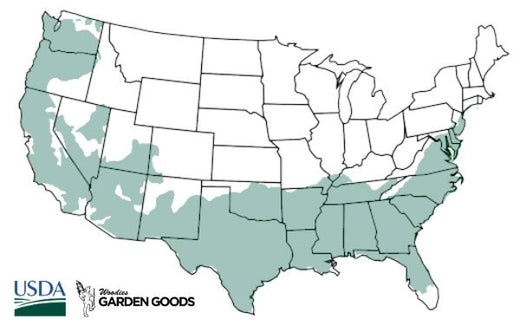
| Hardiness Zone: | 7-9 |
|---|---|
| Mature Height: | 2 to 4 Feet |
| Mature Width: | 3 to 5 Feet |
| Sunlight: | Full sun to part shade; part shade is helpful in hot climates |
| Soil: | Moist, acidic, well-drained soil rich in organic matter |
| Water: | Average to regular moisture; water well until established |
| Bloom Time / Color: | Late spring; clusters of small white flowers |
| Foliage: | Evergreen; Glossy dark green, leathery, oval leaves with strong three-veined texture |
| Ornamental Features: | Evergreen foliage, compact habit, white flowers, blue fruit, bold leaf texture |
| Wildlife Value: | Flowers support pollinators; fruit may support birds and wildlife |
| Resistance (deer/disease/drought/etc.): | Somewhat deer resistant; low maintenance when properly sited |
| Landscape Uses: | Foundation plantings, shade borders, woodland gardens, low hedges, mass plantings, mixed evergreen beds, sheltered slopes, underplanting small trees |
How to Care for David Viburnum
Be sure to read about the recommended care instructions to keep your David Viburnum happy and Healthy for Many Years
-v1780417042829.png?92x91)
How should I plant David Viburnum?
Plant David Viburnum in full sun to part shade with moist, acidic, well-drained soil. In warmer climates, part shade is often helpful because evergreen viburnums can look better with protection from intense afternoon sun. Choose a sheltered location where the shrub is protected from harsh winter winds. Dig a hole about twice as wide as the root ball and no deeper than the container. Set the top of the root ball level with the surrounding soil, backfill gently, and water thoroughly. Add a 2- to 3-inch mulch layer over the root zone to conserve moisture and keep soil cool, keeping mulch pulled back from the stems.lant Leatherleaf Viburnum in a location with full sun to partial shade and well-drained soil. Dig a hole about twice as wide as the root ball and no deeper than the root ball itself, then set the shrub so the top of the root ball is level with the surrounding soil. This helps the roots establish properly and avoids issues caused by planting too deeply. Backfill with native soil, water thoroughly, and apply mulch around the root zone to help retain moisture and reduce weeds. Keep mulch a few inches away from the stems. If planting multiple shrubs for a screen or hedge, allow enough room for their mature width so they can fill in naturally without crowding.
-v1780417043436.png?89x84)
How often should I water David Viburnum after planting?
Water David Viburnum deeply after planting and keep the soil evenly moist through the first growing season. New plants should not be allowed to dry out severely, especially during warm weather or when planted in sunnier locations. Once established, David Viburnum has average water needs, but it performs best with consistent moisture. Water during extended dry periods and avoid extremes—both drought stress and soggy soil can reduce plant health, foliage quality, and berry production.
-v1780417044062.png?90x89)
When should I fertilize David Viburnum?
Fertilize David Viburnum in early spring if growth is weak or the soil is poor. Use a fertilizer formulated for acid-loving shrubs, or apply compost around the root zone to improve organic matter. Avoid heavy late-season fertilizing. Too much fertilizer can encourage soft growth before winter. Healthy acidic soil, steady moisture, and mulch are more important than aggressive feeding.

When and how should I prune David Viburnum?
Prune David Viburnum lightly after flowering if shaping is needed. Remove dead, damaged, crossing, or awkward branches, and lightly shape the shrub to maintain its natural mounded form. Avoid heavy pruning unless necessary, because this shrub is valued for its dense evergreen habit and natural structure. Pruning immediately after bloom helps preserve the next season’s flower and fruit potential better than late-season pruning.