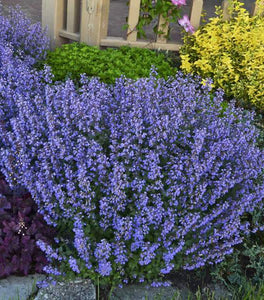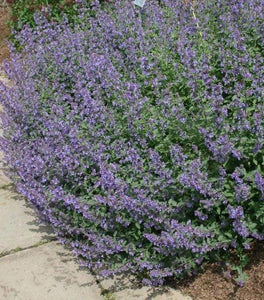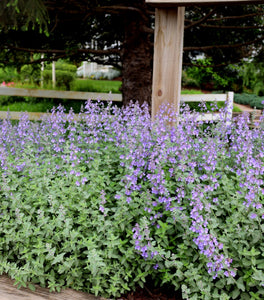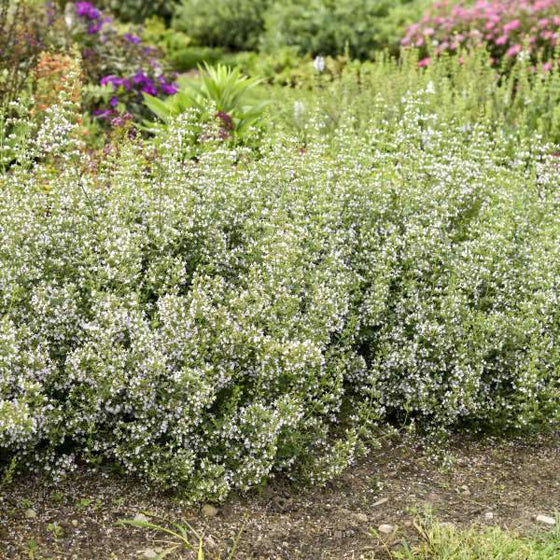
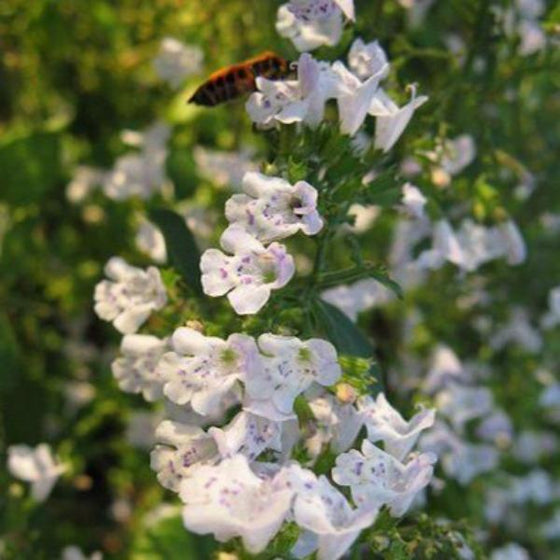
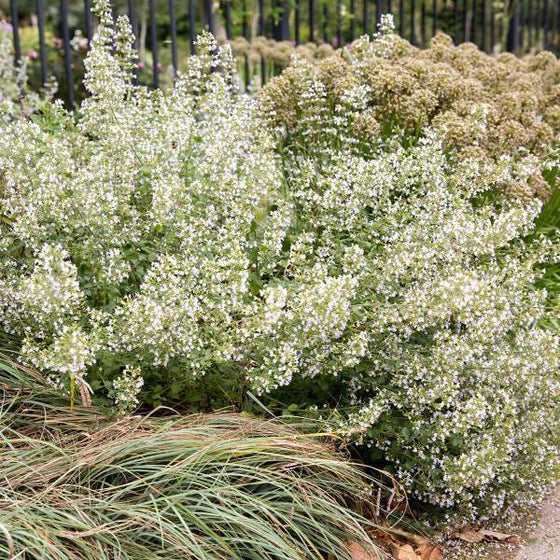


Images Depict Mature Plants
Calamintha Nepeta Calamint
Clinopodium nepeta, syn. Calamintha nepeta subsp. nepeta
Calamintha nepeta is one of those perennials that quietly does a lot of work in the garden. It blooms for a long time, brings in pollinators, smells good when you brush against it, and softens the front of a border without taking over. Give it full sun, good drainage, and avoid overwatering it, and it will reward you with that airy white flower cloud gardeners love.

20% OFF SITEWIDE SALE
Use Code 'OCTOBER20' At Checkout
📦 Free shipping on orders over $99.
Delay shipping by leaving us a message at Checkout.
Share:Recommended Add-Ons



A Long-Blooming Calamint for Pollinators, Edging, and Sunny Borders
Calamintha Nepeta Creates a Cloud of White Summer Flowers
Calamintha nepeta, commonly called calamint or lesser calamint, is a long-blooming perennial loved for its airy cloud of tiny white to pale lavender flowers. From summer into fall, the plant produces a soft, misty bloom effect that blends beautifully with bold perennials, ornamental grasses, herbs, and sunny border plants.
This is the kind of perennial that makes a garden look full, natural, and alive without feeling heavy. The individual flowers are small, but their abundance gives the whole plant a delicate, sparkling look. It is especially effective near paths, patios, pollinator gardens, and cottage-style borders where its fine texture can be appreciated up close.
A Pollinator Magnet with Minty Aromatic Foliage
Calamintha nepeta is one of the best low-maintenance perennials for attracting bees, butterflies, and beneficial insects. Its long bloom window makes it especially useful because it keeps feeding pollinators through the heat of summer and into the fall, when many earlier perennials have already finished blooming.
The foliage is small, green to gray-green, and pleasantly aromatic when brushed or crushed. Because it belongs to the mint family, it has the fragrance and pollinator appeal gardeners expect from mint relatives, but it behaves much more politely than aggressive spreading mints.
A Tidy, Low-Growing Perennial for Walkways and Borders
Calamintha nepeta forms a low, bushy mound that is commonly listed around 12 to 18 inches tall and about 18 to 24 inches wide. Its compact, rounded habit makes it a strong choice for walkway edging, front-of-border plantings, herb gardens, rock gardens, low-maintenance beds, and sunny foundation edges.
Use it as a soft filler between stronger plants, such as coneflowers, black-eyed Susans, sedums, salvias, ornamental grasses, lavender, and yarrow. It is especially good at tying a planting together because its fine flowers and foliage soften the transition between larger leaves, stronger flower colors, and more architectural plants.
Full Sun, Good Drainage, and Drought Tolerance Once Established
Calamintha nepeta grows best in full sun and well-drained soil. It can tolerate light shade, especially in hot climates, but too much shade may reduce flowering and cause the plant to become looser. It adapts well to average, sandy, rocky, or lean soils as long as drainage is good.
Once established, calamint is drought-tolerant and well-suited to lower-water gardens, sunny slopes, rock gardens, and hot border edges. During the first growing season, water regularly to help roots establish. After that, occasional deep watering during extended dry spells is usually enough.
Deer Resistant, Rabbit Resistant, and Easy to Keep Looking Fresh
Calamintha nepeta is generally considered deer-resistant and rabbit-resistant, thanks in part to its aromatic foliage. No plant is completely deer-proof, but calamint is a practical choice for sunny gardens where browsing pressure is a concern.
This perennial is also easy to maintain. Shear lightly after the first heavy bloom to encourage a fresh flush of growth and flowers, or leave it alone for a softer, natural look. It may self-seed in favorable conditions, but it is not typically considered an aggressive running mint.
2021 Perennial Plant of the Year

| Hardiness Zone: | 5-7 |
|---|---|
| Height: | 12 to 18 Inches |
| Width: | 18 to 24 Inches |
| Sunlight: | Full sun preferred; tolerates light shade |
| Soil | Well-drained soil; adapts to average, sandy, rocky, loamy, and lean soils |
| Water | Regular water during establishment; drought tolerant once established |
| Bloom Time / Color | Summer into fall; tiny white to pale lavender or pale lilac flowers |
| Ornamental Features | Airy cloud-like flowers, long bloom season, fragrant foliage, compact mounded habit |
| Wildlife Value | Attracts bees, butterflies, and beneficial pollinators |
| Resistance | Generally considered deer resistant and rabbit resistant; drought tolerant once established |
| Landscape Uses | Pollinator gardens, walkway edging, herb gardens, rock gardens, cottage gardens, sunny borders, mass plantings, low-water beds |
How to Care for Calamintha Nepeta Calamint
Before you buy a Calamintha nepeta Plant, make sure to read about the recommended care instructions to keep this plant healthy and thriving.

How should I plant Calamintha nepeta?
Plant Calamintha nepeta in full sun with well-drained soil. Dig a hole about twice as wide as the root ball and just as deep as the container. Set the crown level with the surrounding soil, backfill with loosened native soil, and water thoroughly after planting. Space plants about 18 to 24 inches apart for edging, massing, or border use. Avoid heavy, soggy soil and low spots where water collects. Calamint performs best in lean to average soil, so it usually does not need rich amendments or heavy mulch.

How often should I water Calamintha nepeta after planting?
Water Calamintha nepeta deeply after planting, then keep the soil lightly moist while the plant establishes. During the first growing season, water when the top few inches of soil become dry, especially during hot or windy weather. Once established, Calamintha nepeta is drought-tolerant and usually needs supplemental water only during extended dry spells. Avoid frequent shallow watering or constantly wet soil, as both can reduce plant vigor and shorten the lifespan of drought-tolerant perennials.

When should I fertilize Calamintha nepeta?
Fertilize Calamintha nepeta lightly in early spring only if the soil is poor or the plant needs a boost. A thin layer of compost or a modest application of slow-release balanced fertilizer is usually enough. Avoid heavy feeding. Too much nitrogen can encourage soft, floppy growth and reduce the tidy mounded habit that makes calamint so useful as an edging and filler perennial.

When and how should I prune Calamintha nepeta?
Shear Calamintha nepeta lightly after its first heavy bloom if you want to refresh the plant and encourage continued flowering. You do not need to remove every spent flower; a light trim is usually enough to keep the mound tidy. In late winter or early spring, cut back old stems close to the ground before new growth begins. Do not mow it like turf. Calamint is best maintained with hand shears or pruners so the crown stays intact and healthy.