Images Depict Mature Plants
Montauk Daisy
Nipponanthemum nipponicum
Montauk Daisy is a great perennial when you want clean white flowers late in the season without babying the plant. The glossy foliage gives it a sturdier look than a Shasta Daisy, and the late bloom makes it useful when the garden starts to feel tired. I would plant shorter perennials in front because the lower stems can get a little bare, and I would pinch them in spring for a fuller plant. Give it sun, drainage, and leaner soil, and it will reward you with fresh flowers when many other perennials are finished.

15% OFF SITEWIDE SALE
Use Code 'PRIMETIME15' At Checkout
📦 Free shipping on orders over $99.
Delay shipping by leaving us a message at Checkout.
Share:



Montauk Daisy Brings Crisp White Flowers to the Late-Season Garden
Bright White Daisy Blooms From Late Summer Into Fall
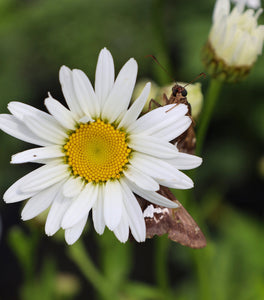
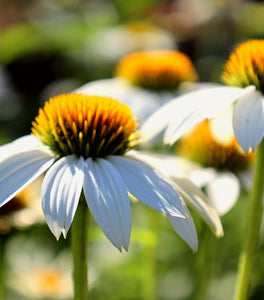
Montauk Daisy is a late-blooming perennial grown for large white daisy-like flowers, yellow-green centers, and clean, glossy green foliage. When many summer perennials are beginning to fade, Montauk Daisy steps in with fresh white blooms that brighten sunny borders, walkways, cottage gardens, coastal plantings, and fall perennial beds.
The flowers are simple, cheerful, and easy to use in the landscape. Their crisp white petals pair beautifully with ornamental grasses, asters, sedum, coneflowers, black-eyed Susans, Russian sage, lavender, and fall-blooming perennials. Montauk Daisy also makes a long-lasting cut flower, giving gardeners fresh stems for late-season arrangements.
Glossy Foliage With a Shrubby Perennial Look
Montauk Daisy has a distinctive look even before it blooms. The thick, glossy, leathery green leaves give the plant a sturdier, more shrub-like presence than many traditional daisies. Its upright habit and dense top growth make it useful as a mid-border perennial, a small grouping, a sunny edge plant, or a fall-flowering filler.
One important expectation is that Montauk Daisy can lose some of its lower leaves as the season progresses, especially on older or unpinched stems. Plant shorter perennials or groundcovers in front to cover bare lower stems and create a fuller planting. This simple design trick makes the plant look cleaner while allowing the flower to rise above the front layer.
A Strong Choice for Sun, Salt, and Drier Soil
Montauk Daisy performs best in full sun and well-drained soil. Once established, it handles dry conditions better than many late-season-flowering perennials, making it a good choice for sunny borders where constant watering is impractical. It also has coastal value because it tolerates moderate salt exposure.
Good drainage is essential. Montauk Daisy does not want heavy, soggy soil, especially in winter. Plant it in average to dry, well-drained soil, and avoid overly rich or wet sites, as these can lead to floppy growth or root problems. In hot climates, a little light shade can be helpful, but full sun produces the strongest growth and bloom.
Pinch or Cut Back for a Bushier Plant
Montauk Daisy can grow quickly, reaching 18 to 36 inches tall and wide. Without shaping, stems may become tall and open. To keep plants compact and bushy, pinch or lightly cut back new growth in spring or early summer. This encourages branching and helps produce a fuller plant by bloom time.
Avoid cutting back too late in the season, as late pruning can delay or reduce flowering. Deadheading spent blooms can encourage additional flowering and keep the plant looking tidy. Every few years, divide clumps to refresh growth, manage size, and keep the planting vigorous.
Late-Season Color With Low-Fuss Garden Value
Montauk Daisy is especially valuable because it fills a difficult seasonal window. It blooms later than many white perennials and provides a clean transition from summer into fall. The flowers look fresh beside fall foliage, warm-toned grasses, pumpkins, mums, asters, and late-season container plantings.
Use Montauk Daisy where you want dependable, bright, late-season color without a complicated care routine. It works well in sunny borders, coastal gardens, cutting gardens, mass plantings, pollinator-friendly beds, and drought-tolerant landscapes. With full sun, drainage, spring shaping, and occasional division, it becomes a dependable fall garden workhorse.
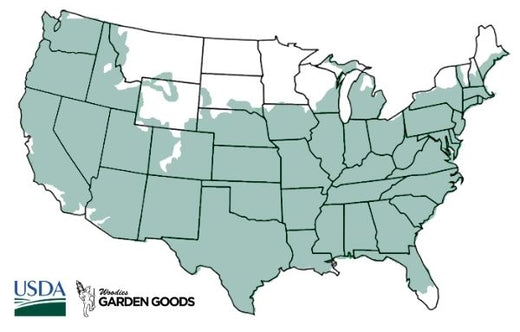
| Hardiness Zone: | 5-9 |
|---|---|
| Mature Height: | 18 to 36 Inches |
| Mature Width: | 18 to 36 Inches |
| Sunlight: | Full sun; tolerates light shade in hot climates |
| Soil | Average to dry, well-drained soil; avoid soggy winter conditions |
| Water | Water regularly until established; drought tolerant once established |
| Bloom Time / Color | Late summer to fall; white daisy-like flowers with yellow-green centers |
| Foliage | Thick, glossy, leathery green leaves with a coarsely toothed edge |
| Ornamental Features | White fall flowers, glossy foliage, cut flowers, coastal tolerance, drought tolerance, late-season garden color |
| Wildlife Value | Flowers attract butterflies and other pollinators |
| Resistance | Moderately salt tolerant; drought tolerant once established; no major pest or disease issues in good conditions |
| Landscape Uses | Sunny borders, coastal gardens, cut flower gardens, mass plantings, drought-tolerant gardens, pollinator beds, fall perennial borders |
How to Care for Montauk Daisy
Be sure to read our planting instructions to ensure a healthy Montauk Daisy for years to come!
-v1784639706239.png?92x91)
How should I plant Montauk Daisy?
Plant Montauk Daisy in full sun with average to dry, well-drained soil. Choose a spot that receives at least 6 hours of direct sun per day for the strongest bloom and best plant shape. In hotter climates, light afternoon shade can be helpful, but avoid deep shade because it can reduce flowering and create weaker growth. Dig a hole slightly wider than the root ball and set the plant so the top of the root ball is level with the surrounding soil. Backfill with native soil, water deeply, and mulch lightly around the root zone while keeping mulch away from the crown. Avoid low, wet areas where the plant may sit in soggy soil through winter.
-v1784639731050.png?89x84)
How often should I water Montauk Daisy after planting?
Water Montauk Daisy deeply after planting and keep the soil evenly moist during establishment. During the first growing season, check soil moisture regularly and water when the top few inches begin to dry. This helps the root system settle in before the plant is expected to handle drier conditions. Once established, Montauk Daisy is drought tolerant and usually does not need constant watering. It still benefits from deep watering during extended dry spells, especially in containers or very sandy soil. Avoid frequent shallow watering and avoid keeping the soil soggy.
-v1784639755130.png?90x89)
When should I fertilize Montauk Daisy?
Fertilize Montauk Daisy lightly in spring if growth is weak or the soil is poor. In average garden soil, this plant often performs well without heavy feeding. Too much fertilizer can encourage soft, floppy growth instead of a sturdy, compact plant. Use a balanced slow-release fertilizer or a light compost topdressing around the root zone. Avoid heavy late-season fertilizing because Montauk Daisy should be preparing for bloom and dormancy rather than pushing tender new growth. Sun, drainage, and proper cutting back are more important than frequent fertilizer.

When and how should I prune / cut back Montauk Daisy?
Pinch or lightly cut back Montauk Daisy in spring or early summer to encourage branching and a bushier shape. This is especially helpful if plants tend to get tall, open, or bare at the base. Stop cutting back by midsummer so the plant has enough time to set buds for late-season bloom. After flowers fade, deadhead spent blooms to keep the plant tidy and encourage more flowering when conditions allow. In cold climates, cut back dead stems in late winter or early spring before new growth begins. Divide clumps every 2 to 3 years if plants become crowded or less vigorous.