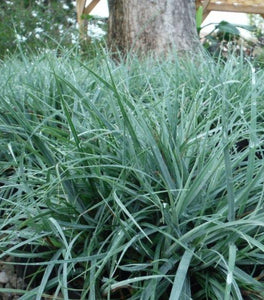
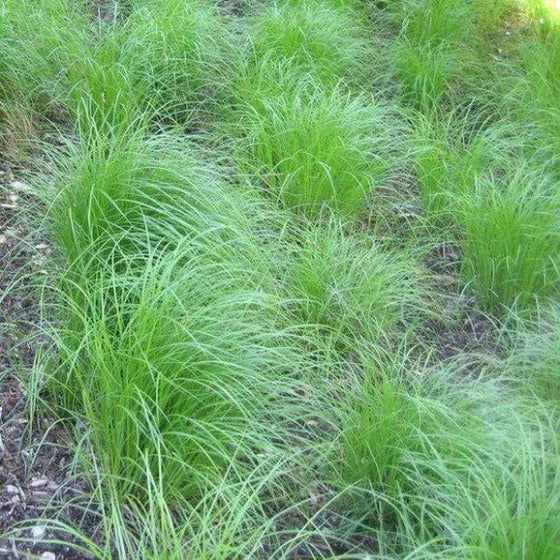


Images Depict Mature Plants
Pennsylvania Sedge
Carex pensylvanica
I've always liked Pennsylvania Sedge because it solves one of the biggest landscape problems I see around homes with mature trees: trying to grow a beautiful lawn where there simply isn't enough sunlight for traditional grass. Instead of fighting the shade, Pennsylvania Sedge gives you an attractive green groundcover that's naturally adapted to those conditions. What gets my attention is its soft, fine-textured foliage and the way it gradually spreads into a natural carpet. It looks particularly good beneath Oaks and other mature shade trees, especially when combined with woodland perennials and spring wildflowers. I also like that it's a native plant and generally requires very little mowing or fertilization once established. One thing I always tell homeowners is that this isn't something you should plant where kids and dogs are running back and forth all day. It handles occasional foot traffic, but it's much better in quieter parts of the yard or around stepping stones. Give it some water during establishment, keep competing weeds under control, and allow time for the underground rhizomes to spread. If you're looking for a practical, deer-resistant groundcover that can turn difficult dry shade into an attractive landscape feature, Pennsylvania Sedge is one of the first plants I would consider.
$17.56 with code SAVINGS20 at checkout Save $4.39
📦 Free shipping on orders over $99.
Delay shipping by leaving us a message at Checkout.
Share:Recommended Add-Ons


Pennsylvania Sedge – A Beautiful Native Groundcover and Lawn Alternative for Dry Shade
Pennsylvania Sedge Creates a Beautiful Natural Lawn in Shady Landscapes
Pennsylvania Sedge is one of the most useful native plants for homeowners who want to turn a difficult shaded area into something beautiful. If you've struggled to maintain grass beneath mature trees or in a heavily shaded backyard, this attractive perennial sedge offers a natural, low-maintenance alternative to traditional turfgrass. Its narrow, arching green leaves form soft, flowing clumps that gradually spread across the ground, creating an appearance similar to a relaxed woodland lawn. Unlike conventional turfgrass, which often requires frequent mowing, fertilizing, and irrigation, Pennsylvania Sedge thrives in dry to moderately moist woodland soil and partial to full shade. This makes it especially valuable in locations where typical lawn grasses struggle to compete with tree roots and limited sunlight.
What I particularly like about Pennsylvania Sedge as a lawn alternative is how naturally it fits into the landscape. Rather than creating the rigid appearance of a closely cut lawn, it develops a soft, graceful surface that complements trees, shrubs, and woodland perennials. Its foliage typically reaches about 6 to 10 inches tall, although individual leaves and flowering stems can vary with conditions. As the plants mature, their fine leaves arch outward and blend together into a beautiful carpet of green. Pennsylvania Sedge is best used where foot traffic is occasional, such as around stepping stones, beneath shade trees, or in quiet garden areas. For homeowners who want less lawn maintenance and more natural landscape character, this native sedge is an outstanding choice.
An Exceptional Groundcover for Dry Shade and Difficult Areas Beneath Trees
Finding plants that tolerate both shade and relatively dry soil can be challenging, especially beneath established trees. Pennsylvania Sedge is naturally adapted to dry woodland conditions and the filtered light found beneath deciduous tree canopies, making it particularly useful in these difficult environments. Its fine green foliage brings softness to areas where bare soil, exposed roots, and scattered leaves might otherwise dominate the landscape. Unlike moisture-loving sedges, Pennsylvania Sedge can grow in dry to average, well-drained soil once established. This gives homeowners an attractive way to cover the ground without creating an irrigation-intensive planting. Its naturally low growth also allows it to fit beneath shrubs and taller perennials without obstructing their ornamental features.
Pennsylvania Sedge is especially effective when used as a living groundcover beneath Oaks, Maples, Serviceberries, and other established landscape trees where the available light and soil conditions are appropriate. Although it tolerates dry shade, newly planted specimens still require consistent watering while their roots develop. Once established, the plants become better adapted to periodic dry conditions, particularly when organic matter and leaf litter help protect the soil. Pennsylvania Sedge also works beautifully along woodland paths and in shaded beds where traditional mulch might otherwise cover large areas. As the planting spreads, the arching foliage creates a natural green layer that helps reduce exposed soil and suppress some weed growth. For gardeners dealing with difficult shaded locations, it offers a practical combination of adaptability and ornamental value.
Fine Green Foliage Creates a Soft, Flowing Groundcover With Minimal Maintenance
The foliage of Pennsylvania Sedge is one of its most appealing ornamental characteristics. Its narrow, finely textured green leaves emerge in compact tufts and gracefully arch outward, creating a soft appearance that resembles a miniature meadow. During spring, fresh green growth develops early in the season, often before many warm-season ornamental grasses begin actively growing. Throughout summer, the foliage creates a beautiful background for woodland flowers and other shade-loving plants. Unlike larger ornamental grasses that form tall clumps, Pennsylvania Sedge remains close to the ground, making it useful for edging woodland paths, softening garden borders, and filling spaces between taller native perennials. The naturally flowing foliage is especially attractive when several plants are allowed to grow together.
Pennsylvania Sedge is considered semi-evergreen, meaning its foliage may remain green through much of winter in mild or protected locations but can turn yellow, tan, or brown in colder climates. This seasonal variation gives the plant a natural woodland appearance rather than the uniform look of a traditional evergreen groundcover. Its spring flowers are small, brownish-green to tan spikes that appear above the foliage, usually during April or May. These flowers are not especially showy, and the plant's primary ornamental value comes from its attractive foliage and low, spreading growth habit. Because it requires very little pruning or shaping, homeowners can simply allow it to develop naturally. For a neater appearance, old foliage can be trimmed in late winter before new growth emerges.
A Low-Maintenance Native Lawn Alternative That Requires Little Mowing
One of the biggest reasons homeowners are discovering Pennsylvania Sedge is its potential as a low-maintenance alternative for native lawns. Traditional turfgrass often struggles in shaded areas because it receives insufficient sunlight and competes with established tree roots for available moisture. Pennsylvania Sedge is better adapted to these conditions and can form an attractive, grass-like groundcover without requiring the same maintenance schedule. When left unmowed, its leaves naturally arch outward, creating a soft, flowing appearance. Homeowners who prefer a tidier lawn-like surface can mow occasionally at a relatively high setting, although regular mowing is not necessary for the plant's health. This flexibility makes Pennsylvania Sedge useful for both naturalistic landscapes and more organized residential garden designs.
Pennsylvania Sedge does have an important limitation: it is not intended to replace heavily used recreational turf. While it can tolerate occasional walking, repeated foot traffic from children, pets, or daily pathways may damage the foliage and compact the soil. It is better suited to quiet shaded areas, decorative lawn replacements, and spaces where stepping stones can direct movement through the planting. Research conducted by Mt. Cuba Center has shown that Pennsylvania Sedge responds well to mowing under trial conditions, making it a promising option for homeowners seeking a more traditional lawn appearance. However, it should not be described as completely maintenance-free. Occasional weeding, establishment watering, and monitoring for thin areas may still be necessary. With realistic expectations, Pennsylvania Sedge can significantly reduce the routine work required to maintain shaded lawn areas.
Pennsylvania Sedge Gradually Spreads to Create a Beautiful Woodland Carpet
Pennsylvania Sedge grows through a combination of clump formation and slowly spreading underground rhizomes, allowing individual plants to expand and eventually connect with neighboring clumps. This natural growth habit is one of the reasons it works so well as a groundcover. Rather than remaining as permanent isolated tufts, established plants can gradually colonize nearby open soil, creating a flowing green carpet. Research at Mt. Cuba Center demonstrated that a single Pennsylvania Sedge division could spread across an area approximately four to five feet in diameter over four years under favorable trial conditions. Actual growth varies considerably depending on sunlight, soil moisture, competition, and establishment. Gardeners should expect gradual coverage rather than an instantly dense lawn.
For groundcover plantings, space Pennsylvania Sedge approximately 8 to 12 inches apart for faster coverage or 12 to 18 inches apart for a more gradual, naturalized appearance. The closer spacing may require more plants initially but can help the planting develop a continuous appearance sooner. Once established, the underground rhizomes extend into nearby open areas, helping fill gaps between plants. This growth habit is especially effective in woodland gardens, where the sedge can weave naturally among native wildflowers and taller perennials. Pennsylvania Sedge may also produce seeds, although vegetative spreading is typically its principal means of expansion. Its low growth makes it a useful living mulch that helps cover bare soil while allowing taller ornamental plants to remain visible. With patience and proper site preparation, it develops into an attractive ground layer that becomes more unified over time.
Native Pennsylvania Sedge Supports Wildlife and Beautiful Woodland Plant Combinations
Pennsylvania Sedge is a native plant of eastern and central North America, where it naturally occurs in woodlands, thickets, and other habitats with suitable drainage. Adding this sedge to a residential garden provides more than an attractive groundcover. Like other native Carex species, it contributes to the ground-level vegetation that supports insects and small wildlife. Its foliage can serve as food for certain butterfly and moth larvae, while its seeds may be consumed by birds and small mammals. The dense, arching leaves also create shelter and cover near the soil surface, adding habitat structure that conventional closely mowed lawns often lack. Its flowers are wind-pollinated, so it should not be promoted as a major nectar source for bees or butterflies.
Pennsylvania Sedge is particularly attractive when combined with native woodland perennials and shrubs that appreciate similar growing conditions. Try planting it beneath Serviceberry trees or alongside Wild Ginger, Foamflower, Woodland Phlox, Coral Bells, and shade-tolerant Ferns. The sedge's fine green foliage creates an attractive contrast with broader leaves and colorful seasonal flowers, while its low height helps preserve a layered woodland appearance. Native spring ephemerals can emerge through the planting, adding flowers before the surrounding trees develop their full summer canopy. Because Pennsylvania Sedge prefers well-drained soil and tolerates dry shade once established, choose companions with compatible moisture requirements. For homeowners interested in native landscaping, reduced lawn maintenance, and natural woodland beauty, Pennsylvania Sedge provides an excellent foundation for a garden that looks attractive and offers useful habitat throughout the growing season.
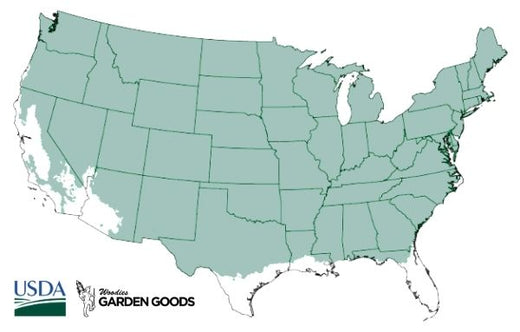
| Hardiness Zone: | 3-8 |
|---|---|
| Mature Height: | Typically 6–10 inches of arching foliage; flowering stems may reach 12–15 inches |
| Mature Width: | Individual clumps approximately 12–18 inches initially; colonies can expand several feet through rhizomes |
| Sunlight: | Partial shade to full shade preferred; tolerates full sun in suitable climates with adequate moisture |
| Soil | Dry to moderately moist, well-drained woodland soil; sandy, loamy, or organic-rich soil; tolerates acidic to near-neutral conditions |
| Water Requirements: | Moderate during establishment; low to moderate once established; occasional irrigation during extended drought |
| Bloom Time / Color | Early to midspring, generally April–May / Inconspicuous greenish-brown, tan, and cream-colored flower spikes |
| Ornamental Features | Fine, arching grass-like leaves; soft green carpet effect; low woodland texture; early spring growth; natural spreading habit |
| Wildlife Value | Certain butterfly and moth larvae, seed-eating birds, small mammals, and ground-dwelling invertebrates |
| Resistance | Deer, heavy shade, drought once established, occasional mowing, moderate tree-root competition, some erosion; tolerates light foot traffic but not repeated heavy use |
| Landscape Uses | Native lawn alternative, dry-shade groundcover, under-tree planting, woodland gardens, living mulch, naturalized borders, path edging, erosion-conscious plantings |
How to Care for Pennsylvania Sedge
Be sure to read our planting instructions to ensure a healthy and happy Pennsylvania Sedge for years to come!

How should I plant Pennsylvania Sedge?
Plant Pennsylvania Sedge in partial shade to full shade with dry to moderately moist, well-drained soil. It is especially useful beneath deciduous trees, along woodland edges, and in shaded locations where traditional turfgrass struggles. Begin by removing existing weeds and competing vegetation, particularly if you're converting part of a lawn into a native groundcover. The soil should be reasonably loose and free from severe compaction. Pennsylvania Sedge naturally grows in woodland soils containing organic matter, but it also tolerates relatively lean or sandy conditions. Avoid locations that remain continuously saturated, since this plant generally performs best where the soil drains properly. If planting beneath mature trees, work carefully to avoid damaging large surface roots. Dig a hole approximately twice as wide as the root ball and no deeper than its height. Carefully remove the sedge from its container, loosen tightly circling roots if necessary, and position the crown level with the surrounding soil. Backfill with the original soil and water thoroughly. For faster lawn-alternative coverage, space plants approximately 8–12 inches apart on center. For woodland naturalizing, 12–18-inch spacing allows a looser appearance while giving the rhizomes room to expand. Apply a light layer of shredded leaf mulch between the plants to conserve moisture and suppress weeds, keeping mulch away from the crowns. Water consistently during establishment, especially when planting beneath trees that compete for available soil moisture.

How often should I water Pennsylvania Sedge after planting?
Pennsylvania Sedge requires regular watering during its first growing season, even though it eventually becomes relatively drought tolerant. Immediately after planting, water thoroughly to settle the soil and eliminate large air pockets around the roots. Continue checking the soil regularly, particularly during warm weather and beneath mature trees. Water when the upper few inches of the root zone begin to dry, making sure moisture reaches the developing roots. As a starting point, approximately 1 inch of water per week, including rainfall, may be appropriate during establishment, although sandy soils and dry woodland sites may need more frequent attention. Avoid keeping the soil constantly saturated. Once established, Pennsylvania Sedge becomes well adapted to dry shade and generally requires less irrigation than traditional lawn grass. However, prolonged drought can cause foliage to become thinner, less vibrant, or temporarily dormant. Supplemental watering during extended dry periods can help maintain a more attractive green appearance, especially when the sedge is being used as a decorative lawn alternative. Its root system competes with nearby trees and shrubs for moisture, so established plantings beneath large trees may require occasional watering during unusually dry weather. Consistent moisture is most important while the planting is filling in. Once the sedge has developed a substantial root system and begun spreading through rhizomes, its maintenance requirements generally become much lower.

When should I fertilize Pennsylvania Sedge?
Pennsylvania Sedge typically requires little to no supplemental fertilizer when planted in suitable woodland soil. Unlike conventional turfgrass, it is naturally adapted to relatively low-fertility conditions and does not need a regular lawn-fertilization program. If the soil is especially poor, a light topdressing of finished compost or decomposed leaf mold in early spring can help improve organic matter and support healthy root development. A soil test is the best way to determine whether additional nutrients are actually needed. Because Pennsylvania Sedge is used primarily for foliage and ground coverage, encouraging balanced, healthy growth is more important than forcing rapid expansion through heavy feeding. Avoid repeated applications of high-nitrogen lawn fertilizers, especially when Pennsylvania Sedge is growing beneath established trees or alongside native woodland plants. Excess fertilizer may encourage competing weeds and unnecessary foliage growth without substantially improving the sedge's long-term performance. In established groundcover beds, allowing some naturally fallen leaves to decompose can help return organic matter to the soil. When planting a new lawn alternative, focus first on proper spacing, weed management, soil drainage, and consistent establishment watering. These practices usually have a greater impact on successful coverage than fertilizer. Healthy Pennsylvania Sedge growing in suitable conditions may require no annual feeding at all.

When and how should I prune Pennsylvania Sedge?
Pennsylvania Sedge is a low-growing perennial sedge that generally does not require traditional pruning or regular mowing. Its naturally arching foliage creates an attractive, relaxed appearance when allowed to grow without cutting. For woodland gardens, shaded groundcovers, and naturalized plantings, I recommend leaving the foliage intact through most of the year. In late winter or early spring, remove dead or damaged leaves if the planting has become unattractive. This seasonal cleanup allows fresh green growth to emerge without being obscured by excessive winter debris. Because Pennsylvania Sedge is semi-evergreen, healthy green foliage may remain attractive through winter and does not need to be removed simply because the season has changed. For homeowners who want a more uniform lawn-like appearance, Pennsylvania Sedge can also tolerate occasional mowing at a relatively high cutting height. Mt. Cuba Center's trial demonstrated good performance when plants were maintained at approximately four inches during the growing season. Avoid close mowing that repeatedly removes most of the foliage or damages the crowns. Heavy mowing is unnecessary if the goal is a soft woodland carpet. When trimming established plants, use sharp tools and avoid cutting into the developing crowns. Late winter to early spring is the best time for annual cleanup, while optional growing-season mowing should be based on the desired appearance and the health of the planting.