

Images Depict Mature Plants
American Witch Hazel
Hamamelis virginiana
American Witch Hazel is a really smart plant for gardeners who want something native that does not feel ordinary. The late-fall flowers are what make it special, but the size, fall color, and woodland character are what make it worth planting for the long haul.

20% OFF SITEWIDE SALE
Use Code 'OCTOBER20' At Checkout
📦 Free shipping on orders over $99.
Delay shipping by leaving us a message at Checkout.
Share:


A native standout with fall flowers and woodland character
A native shrub that blooms when almost everything else is finished.
American Witch Hazel is one of the most distinctive native shrubs in the landscape because it flowers in the fall rather than in spring. As the season winds down, its narrow ribbon-like yellow petals begin to open along the branches, creating a soft but unmistakable display at a time when very few woody plants are still flowering. That unusual bloom season is a major part of its charm.
Fall foliage and flowers often overlap for extra seasonal impact.
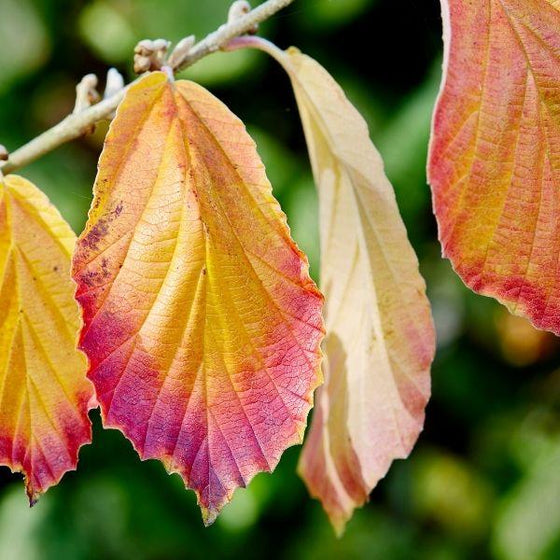
One of the most appealing things about American Witch Hazel is the way its yellow flowers often appear as the foliage turns golden and begins to drop. That overlap creates a layered autumn display that feels especially rich in woodland gardens, native borders, and naturalized plantings. It gives the shrub a different kind of beauty than a typical spring bloomer.
A large native shrub with a graceful, natural habit.
American Witch Hazel usually grows as a broad, multi-stemmed shrub or small tree with a spreading, vase-like form. It has enough size and presence to anchor a planting, but it still feels loose and natural rather than rigid or overly formal. In the right setting, it becomes a memorable focal point with year-round structure.
A strong fit for woodland edges, native screens, and specimen use.
This shrub works especially well in woodland gardens, mixed native borders, naturalized areas, and larger foundation-free spaces where its mature size can be appreciated. It can be used as a specimen, a tall informal screen, or part of a layered native planting beneath or beside larger canopy trees. Its character is best suited to landscapes that welcome a more natural form.
Easy to grow when given room and the right setting.
American Witch Hazel performs best in full sun to partial shade and in well-drained, slightly acidic to neutral soil, though it is adaptable to a range of conditions once established. It is generally low maintenance and becomes more drought-tolerant over time. Because it can grow into a substantial, large shrub or small tree, it is best planted where it has room to develop naturally.
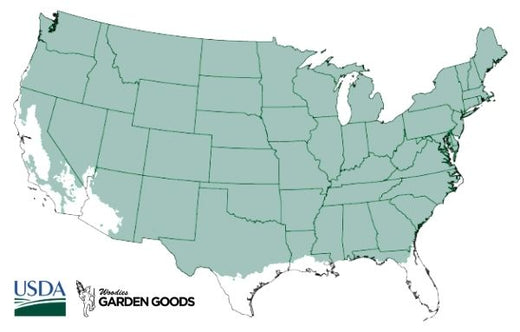
| Hardiness Zone: | 3-8 |
|---|---|
| Mature Height: | 15 to 20 feet |
| Mature width: | 15 to 20 feet |
| Sunlight: | Full sun to partial shade |
| Soil: | Slightly acidic to neutral, well-drained soil; adaptable to various soil type |
| Water: | Moderate; water regularly during establishment |
| Bloom Time / Color: | Late fall; yellow ribbon-like flowers |
| Foliage: | Green foliage turning golden yellow in fall |
| Ornamental Features: | Late-fall flowers, golden fall color, vase-like habit, native woodland character |
| Wildlife Value: | Late-season nectar for pollinators; habitat value for birds and beneficial insects |
| Resistance (deer/disease/drought/etc.): | Commonly regarded as deer resistant; more drought tolerant once established |
| Landscape Uses: | Woodland gardens, native plantings, specimen shrub, informal screen, understory planting |
How to Care for American Witch Hazel
Be sure to read our planting instructions to ensure a healthy and happy American Witch Hazel for years to come!

How should I plant American Witch Hazel?
Plant American Witch Hazel in full sun to partial shade in well-drained soil. Dig a hole about twice as wide as the root ball and no deeper than the root ball itself, then set the plant level with the surrounding soil and backfill carefully. Water deeply after planting and apply mulch around the root zone to help conserve moisture and reduce weed competition, but keep mulch a few inches away from the stems. Because American Witch Hazel matures into a large shrub or small tree, give it enough room to spread naturally.

How often should I water American Witch Hazel after planting?
Water American Witch Hazel deeply right after planting, then continue watering regularly through the first growing season while the roots establish. During warm or dry weather, deep watering once or twice a week is usually better than frequent shallow watering. Once established, American Witch Hazel becomes more drought tolerant and generally needs less supplemental water. During extended dry periods, occasional deep watering will still help support healthier foliage and better overall plant performance.

When should I fertilize American Witch Hazel?
American Witch Hazel usually does not need heavy fertilization. In many landscapes, it performs well in average soil with only light support. If feeding is needed, apply a balanced slow-release shrub fertilizer or compost in early spring before new growth begins. Avoid over-fertilizing, especially with high-nitrogen products, since too much lush growth can make the plant leggier and less refined.

When and how should I prune American Witch Hazel?
Prune American Witch Hazel in late winter to early spring if shaping is needed. Start by removing dead, damaged, or crossing branches, then make light structural cuts to maintain a balanced form. This plant usually looks best with minimal pruning. Because American Witch Hazel has a naturally graceful, somewhat open habit, selective pruning is usually better than heavy shaping or repeated shearing.