Images Depict Mature Plants
Girard Crimson Azalea
Rhododendron ‘Girard’s Crimson’
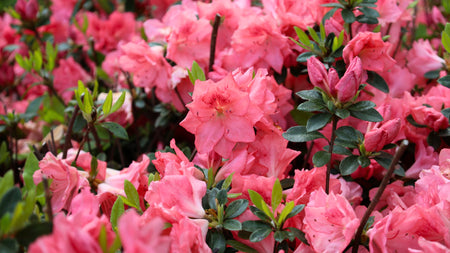
Girard Crimson is a solid choice when a customer wants that classic red azalea look in a manageable evergreen shrub. It has the color people notice in spring, but the real value is that it keeps working after bloom with glossy foliage and winter copper-red tones. I like it along foundations, near front entrances, or repeated in shaded borders. Give it acidic soil, steady moisture, and afternoon shade, and prune right after flowering if it needs shaping.

15% OFF SITEWIDE, USE CODE 'FALLPLANT15'
📦 Free shipping on orders over $99.
Delay shipping by leaving us a message at Checkout.
Share:

Girard Crimson Azalea Delivers Classic Red Spring Color in a Compact Evergreen Shrub
Crimson-Red Spring Flowers With Big Front-Yard Impact
Girard Crimson Azalea is a compact evergreen azalea prized for vivid crimson-red to rosy-red spring flowers. The blooms appear in mid to late spring, covering the shrub with rich color just when foundation beds, woodland edges, and front-yard borders need a strong seasonal focal point. Each flower has the classic azalea look: showy, funnel-shaped, and bright against glossy dark green foliage.
This is an excellent choice for homeowners who want dependable red azalea color without planting a large, rangy shrub. Girard Crimson has a rounded, compact habit that fits well near entrances, along shaded foundations, in mixed shrub borders, or in mass plantings. Use it where spring color matters and year-round structure is still important after the flowers fade.
Evergreen Foliage With Seasonal Copper-Red Winter Tones
Girard Crimson Azalea is more than a spring-flowering shrub. Its glossy evergreen foliage provides structure to the landscape year-round, helping beds look planted and intentional even outside bloom season. The leaves provide a dark green backdrop for the flowers in spring and a steady texture through summer.
In colder weather, the foliage can develop red, copper, or burgundy tones, adding subtle winter interest. This seasonal foliage shift makes Girard Crimson especially useful in foundation plantings and front-yard beds where shrubs are visible year-round. The plant’s compact size and evergreen habit make it a strong choice for homeowners who want both flowers and structure from the same shrub.
Compact Size for Foundations, Hedges, and Mass Plantings
Girard Crimson Azalea typically matures around 2 to 4 feet tall and 3 to 4 feet wide, depending on growing conditions and pruning. That size makes it easy to use in home landscapes without overwhelming windows, walkways, or smaller garden beds. It has enough width to create a full, established look but remains manageable with light shaping after bloom.
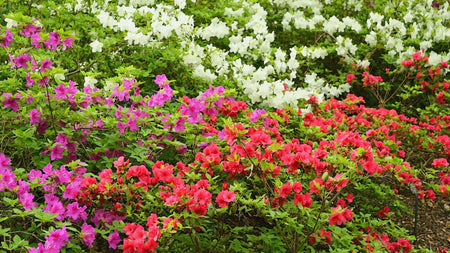
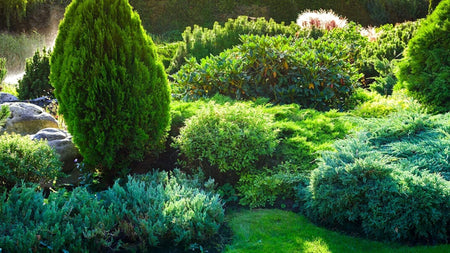
Plant Girard Crimson as a foundation shrub, low hedge, border accent, woodland edge planting, or massed flowering shrub. It looks especially good repeated in groups, where the red spring bloom creates a broad sweep of color. Pair it with hollies, boxwood, hydrangeas, camellias, ferns, hostas, heuchera, hellebores, and other acid-loving or shade-tolerant companions.
Best in Acidic, Moist, Well-Drained Soil
Girard Crimson Azalea performs best in acidic, organic-rich, moist, well-drained soil. Like most azaleas, it has shallow roots that appreciate consistent moisture and a cool root zone. Mulch with pine bark, pine needles, or shredded hardwood to help conserve moisture, moderate soil temperature, and protect the roots.
Avoid planting azaleas in heavy, poorly drained clay or low spots where water collects. Good drainage is essential because azalea roots can suffer in soggy soil. If your soil is compacted or alkaline, improve the planting area with organic matter and use an acid-forming fertilizer when needed. A healthy root zone is the key to strong flowering and long-term success.
Part Shade Performance With Morning Sun Preferred
Girard Crimson Azalea grows best in part shade, especially where it receives morning sun and afternoon protection. Bright filtered light or an east-facing exposure helps support good flowering while reducing the risk of leaf scorch during hot afternoon sun. In cooler regions, it can tolerate more sun if the soil moisture is steady.
Too much dense shade may reduce bloom, while too much hot sun can stress foliage. Choose a protected location with good air circulation, acidic soil, and consistent moisture. Prune only after flowering if shaping is needed, because azaleas set their next year’s flower buds after the spring bloom period.
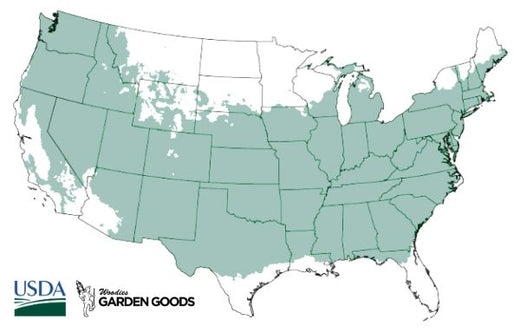
| Hardiness Zone: | 5-8 |
|---|---|
| Mature Height: | 2 to 4 Feet |
| Mature Width: | 3 to 4 Feet |
| Sunlight: | Part shade is best; morning sun with afternoon shade is ideal |
| Soil | Acidic, organic-rich, moist, well-drained soil |
| Water | Keep evenly moist, especially during establishment and dry spells |
| Bloom Time / Color | Mid to late spring; crimson red to purplish-red or rosy-red flowers |
| Foliage | Evergreen; Glossy dark green leaves; may turn red, copper, or burgundy in winter |
| Ornamental Features | Crimson-red spring flowers, compact rounded habit, glossy evergreen foliage, winter foliage tones |
| Wildlife Value | Spring blooms may attract pollinators |
| Resistance | Compact, cold-hardy Girard hybrid; deer resistance is low to variable |
| Landscape Uses | Foundation plantings, low hedges, mass plantings, shade borders, woodland edges, front-yard beds, containers, east-facing slopes |
How to Care for Girard Crimson Azalea
Be sure to read our planting instructions to ensure a healthy and happy Girard Crimson Azalea for years to come!
-v1783957061456.png?92x91)
How should I plant Girard Crimson Azalea?
Plant Girard Crimson Azalea in part shade with acidic, moist, well-drained soil. Morning sun and afternoon shade are ideal for strong flowering and healthy evergreen foliage. Avoid hot, exposed sites and heavy, poorly drained clay unless the soil has been properly amended and raised for drainage. Dig a hole two to three times wider than the root ball and slightly shallower than the container depth. Set the top of the root ball just at or slightly above the surrounding soil grade. Backfill with native soil improved with organic matter if needed, water deeply, and mulch around the root zone without piling mulch against the stems.

How often should I water Girard Crimson Azalea after planting?
Water Girard Crimson Azalea deeply after planting and keep the soil evenly moist during the first growing season. Because azaleas have shallow roots, they can dry out faster than deeper-rooted shrubs, especially near foundations, under trees, or in windy locations. Check soil moisture regularly and water when the top few inches begin to dry. Once established, Girard Crimson still performs best with consistent moisture, especially during summer heat and dry spells. Avoid both extremes: do not let the root ball dry out completely, and do not keep the soil soggy. A 2- to 3-inch mulch layer helps protect roots and conserve moisture.
-v1783957099722.png?90x89)
When should I fertilize Girard Crimson Azalea?
Fertilize Girard Crimson Azalea in early spring with a fertilizer formulated for acid-loving plants if growth is weak, foliage looks pale, or soil tests show a need. A light application after bloom can also support healthy growth, but heavy fertilizing is usually not necessary in good acidic soil. Avoid applying fertilizer late in the season, as this can encourage tender growth before winter. Do not overfertilize newly planted azaleas. Focus first on proper soil pH, organic matter, moisture, mulch, and drainage, because azaleas perform best when the root zone is healthy.

When and how should I prune / cut back Girard Crimson Azalea?When and how should I prune / cut back Girard Crimson Azalea?
Prune Girard Crimson Azalea immediately after flowering if shaping is needed. This timing is important because azaleas form the next year’s flower buds after the spring bloom period. Pruning too late in summer, fall, or winter can remove those buds and reduce next spring’s flowers. Use clean pruners to remove dead, damaged, crossing, or overly long branches. Light shaping is usually enough because Girard Crimson has a naturally compact habit. Avoid heavy shearing unless you are maintaining a formal hedge, and never cut deeply into old bare wood unless rejuvenation pruning is necessary.