



Images Depict Mature Plants
Lucifer Crocosmia
Crocosmia 'Lucifer'
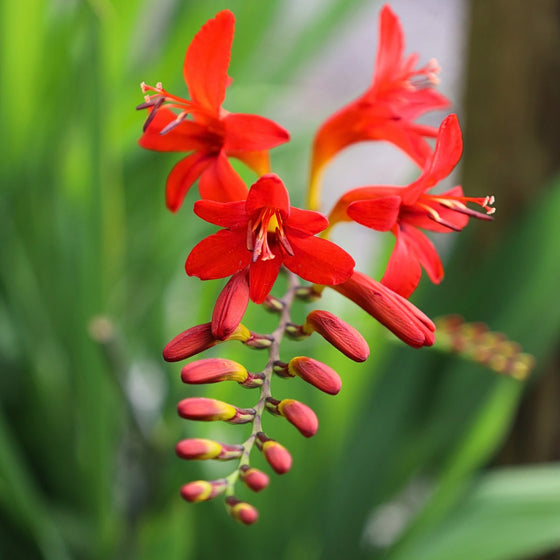
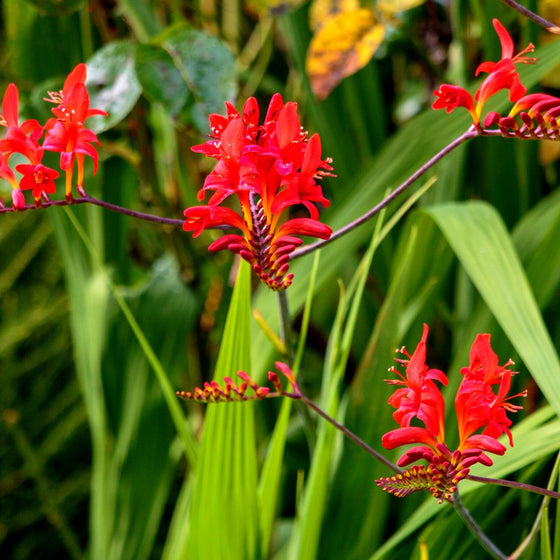
Lucifer Crocosmia is a plant I’d use when a sunny border needs a real summer spark. The red flower spikes are bold without being bulky, and hummingbirds notice them quickly. Give it full sun, good drainage, and enough moisture while it is blooming, then divide the clump every few years so it keeps flowering heavily instead of getting crowded.

15% OFF SITEWIDE, USE CODE 'FALLPLANT15'
📦 Free shipping on orders over $99.
Delay shipping by leaving us a message at Checkout.
Share:Recommended Add-Ons


Scarlet-Red Summer Color for Hummingbird Gardens and Sunny Borders
Lucifer Crocosmia Delivers Fiery Red Summer Flower Spikes
Lucifer Crocosmia is a bold summer-blooming perennial grown for its brilliant scarlet-red flowers held on tall, arching stems above upright sword-shaped foliage. The flower spikes bring vivid color and movement to the garden, creating a tropical-looking display without requiring a tropical climate.
Also searched as Crocosmia Lucifer, this cultivar is one of the most recognizable red crocosmias for home landscapes. The tubular blooms open along graceful stems and stand out beautifully in sunny borders, cottage gardens, pollinator plantings, cutting gardens, and mixed perennial beds.
A Hummingbird Favorite with Strong Pollinator Appeal
Lucifer Crocosmia is an excellent choice for homeowners who want to attract more hummingbirds to the garden. The bright red tubular flowers are easy for hummingbirds to spot and offer a strong nectar signal during the summer bloom season.
Butterflies and other pollinators may also visit the flowers, making this a valuable addition to pollinator-friendly plantings. For the strongest wildlife and visual effect, plant Lucifer Crocosmia in groups rather than as a single plant, especially near patios, walkways, windows, or outdoor seating areas where the flower spikes can be enjoyed up close.
Bold Vertical Texture for Borders, Containers, and Cutting Gardens
Lucifer Crocosmia grows from corms and forms upright clumps of pleated, sword-like green foliage. Mature plants are commonly listed around 2 to 4 feet tall and 1 to 2 feet wide, with the flower stems adding strong vertical structure without feeling heavy.
Use it in the middle or back of sunny perennial borders, as a repeating accent through mixed beds, or in large containers with excellent drainage. The long-lasting stems also make excellent cut flowers, adding bright red color and graceful arching lines to summer arrangements.
Best in Full Sun, Well-Drained Soil, and Consistent Summer Moisture
Lucifer Crocosmia performs best in full sun with moderately fertile, well-drained soil. It can tolerate light shade, especially in hot summer climates, but stronger sun usually produces better flowering and a sturdier habit.
Keep plants evenly watered during establishment and during extended dry spells. Once established, Lucifer Crocosmia can tolerate short dry periods, but it blooms best when the soil is not allowed to dry out completely. Good drainage is especially important in winter because wet, heavy soil can damage corms.
Deer Resistant, Clump-Forming, and Best Managed Before It Crowds
Lucifer Crocosmia is generally considered deer-resistant, making it useful in sunny landscapes where browsing is a concern. Rabbits may browse foliage in some gardens, so young plants should be watched during establishment.
This plant naturalizes by corms and can gradually form larger clumps over time. That is a benefit when you want a stronger display, but older clumps can become crowded and bloom less heavily. Divide congested clumps in spring to refresh the planting, improve airflow, and keep the display vigorous. In mild coastal regions where crocosmia or montbretia can escape cultivation, avoid planting near natural areas and follow local guidance.
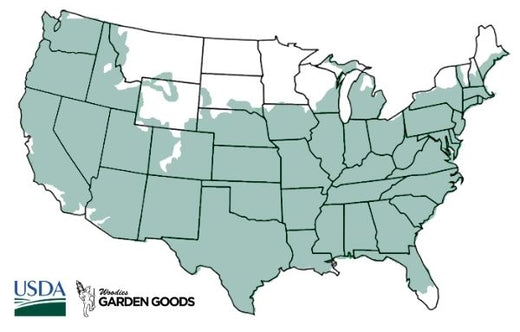
| Hardiness Zone: | 5-9 |
|---|---|
| Mature Height: | 2 to 4 Feet |
| Mature Width: | 1 to 2 feet |
| Sunlight: | Full sun preferred; tolerates light part shade |
| Soil | Moderately fertile, well-drained soil; avoid wet winter soil |
| Water | Water regularly during establishment; average moisture preferred; handles short dry periods once established |
| Bloom Time / Color | Summer; scarlet-red to fiery red tubular flowers |
| Ornamental Features | Scarlet-red flower spikes, arching stems, sword-like foliage, tropical-looking summer color, cut flower value |
| Resistance | Generally considered deer resistant; rabbits may browse foliage in some gardens |
| Landscape Uses | Sunny borders, hummingbird gardens, pollinator gardens, cottage gardens, cutting gardens, containers, mass plantings, tropical-style beds |
How to Care for Lucifer Crocosmia
Before you buy a Lucifer Crocosmia, read the recommended care instructions to keep this plant healthy and thriving.
-v1745288020628.png?92x91)
How should I plant Lucifer Crocosmia?
Plant Lucifer Crocosmia in full sun to light part shade with moderately fertile, well-drained soil. Set potted plants so the top of the root ball is level with the surrounding soil, backfill with loosened native soil, and water thoroughly after planting. If planting dormant corms, plant them in spring after the danger of frost has passed. Space garden plants about 12 to 18 inches apart for a full border effect, and avoid low areas where water sits in winter. A light mulch layer can help conserve summer moisture, but keep mulch away from the crown.
-v1745288057056.png?89x84)
How often should I water Lucifer Crocosmia after planting?
Water Lucifer Crocosmia deeply after planting, then keep the soil evenly moist while the roots establish. During the first growing season, water when the top few inches of soil become dry, especially during hot weather. Established plants can tolerate short dry periods, but they bloom best with consistent summer moisture. Avoid soggy soil and standing water, especially in winter, because wet winter conditions can damage the corms.
-v1745288075993.png?90x89)
When should I fertilize Lucifer Crocosmia?
Fertilize Lucifer Crocosmia lightly in early spring as new shoots emerge. A modest application of slow-release balanced fertilizer or a topdressing of compost is usually enough to support healthy foliage and strong summer flowering. Avoid heavy nitrogen feeding. Too much nitrogen can encourage leafy growth at the expense of flowers. In containers, use a well-drained potting mix and feed lightly during the growing season if plants begin to lose vigor.

When and how should I prune Lucifer Crocosmia?
Remove spent flower stems after bloom if you want a cleaner look, but leave the foliage standing until it yellows naturally. The leaves continue feeding the corms after flowering and help support next year’s bloom. Cut back dead foliage in late fall after frost or in early spring before new shoots emerge. Do not mow Lucifer Crocosmia like turf. If the clump becomes crowded or flowering declines, lift and divide the corms in spring before new growth becomes too large.