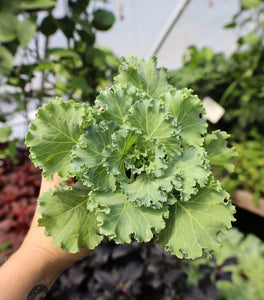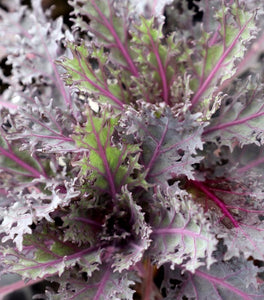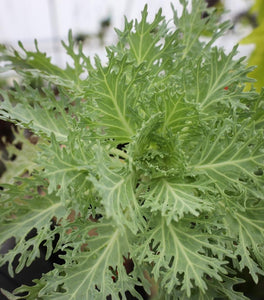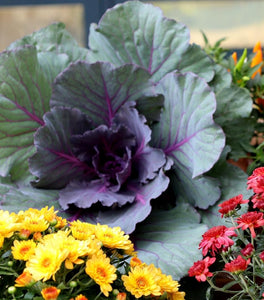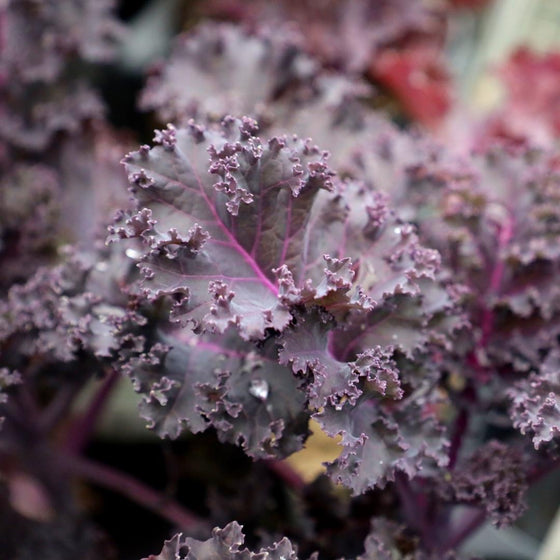
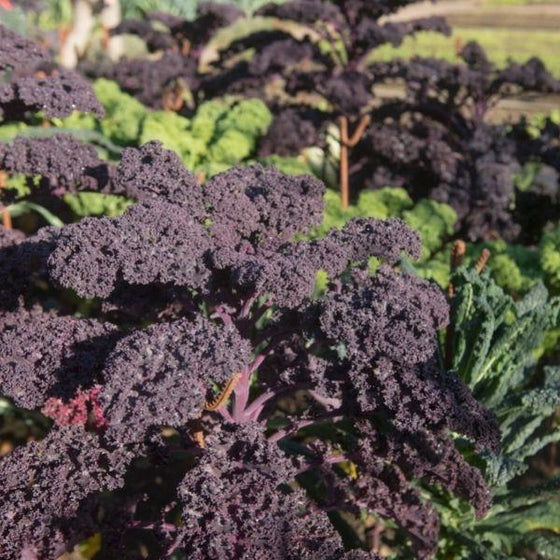
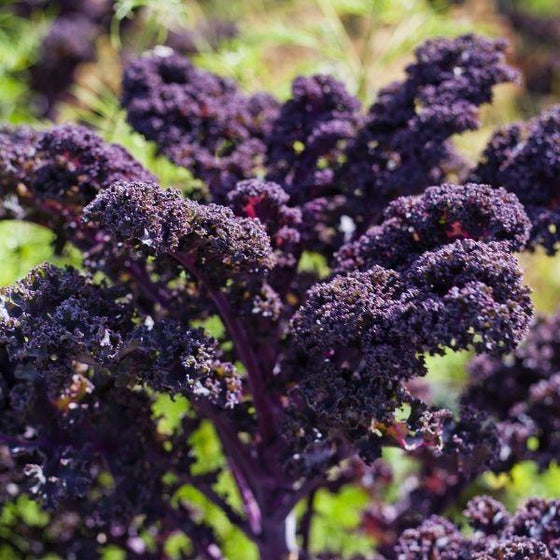


Images Depict Mature Plants
Redbor Kale
Brassica oleracea Acephala Group ‘Redbor’
Redbor is one of those plants that makes the line between the vegetable garden and the ornamental garden pretty unnecessary. Put it in a fall container, and it gives you height, texture, and a purple color that actually gets better when the nights turn cold. Then walk outside and pick a few leaves for dinner. I like it best with plenty of sun, good soil, and enough room to become a real plant rather than squeezing three of them into a pot just for instant color.

Save Up to 25% On Your Order! Limited Time Only!
Discount Applied Automatically At Checkout
📦 Free shipping on orders over $99.
Share:

Redbor Kale for Sale Online
Deep Purple Foliage Gets Better Looking as the Weather Gets Colder
Redbor Kale brings a completely different look to the fall garden with upright stems covered in densely curled, dark purple-red leaves. The color can begin with burgundy, purple, and green undertones, then deepen toward rich maroon as temperatures fall.
Cold weather is part of what makes Redbor special. While many summer annuals fade with the first chilly nights, Redbor becomes more colorful as the season progresses and can continue looking good through repeated frosts.
Its heavily ruffled leaves add texture as well as color. From a distance, a mature plant resembles a compact purple shrub, making it useful in landscapes where gardeners want something more substantial than a low-growing flowering kale rosette.
Use Redbor with pansies, violas, mums, ornamental grasses, and evergreen branches for fall displays that do not collapse as soon as temperatures dip.
A Tall Fall Container Thriller That Is Also Completely Edible
Unlike many plants marketed primarily as ornamental kale, Redbor is a true edible curly kale. The same dramatic purple leaves that make it attractive in a planter can be harvested for salads, sautés, soups, stir-fries, and other kale recipes.
Young leaves are especially tender and work well when harvested individually. Larger mature leaves have a stronger texture and are usually better cooked after the heavier central rib is removed.
Cold weather does more than deepen the color. Chilly temperatures and frost can also improve kale flavor by increasing sugars in the leaves, giving fall and winter harvests a sweeter taste than plants grown through prolonged summer heat.
That combination makes Redbor particularly useful around patios and kitchen gardens. It can serve as a seasonal decoration while still producing something useful for the table.
Upright Growth Adds Height to Containers and Garden Beds
Redbor is taller than many compact ornamental kale selections. Mature plants commonly reach 24 to 30 inches in landscape use, though garden-grown plants can become taller.
That upright architecture makes Redbor an excellent centerpiece for large fall containers. Plant one in the center or toward the rear of a pot, then surround it with lower pansies, violas, heucheras, or trailing cool-season plants.
In vegetable gardens, space Redbor approximately 12 to 18 inches apart for harvest production. For ornamental displays where full individual plants are the goal, around 18 inches gives each plant room to develop a broad crown of curled foliage.
Redbor also works well in mixed edible landscapes. Its purple color creates contrast among green herbs, lettuces, chard, and other cool-season vegetables without looking like a conventional row crop.
Frost Tolerance Extends the Season Well Beyond Typical Fall Annuals
Redbor is a cool-season crop and performs best when daytime temperatures are moderate and nights are cool. Mature kale plants tolerate substantial frost, allowing Redbor to remain useful well after tender annual flowers have finished.
Gardeners in many regions can plant Redbor for a spring crop and again for a fall crop, but its strongest ornamental performance usually comes in autumn, as the purple color intensifies.
In mild climates, plants may remain harvestable through much of winter. In colder regions, duration depends on temperature, snow cover, wind exposure, and whether the plant is growing in the ground or in a container.
Containers cool faster than garden soil, so potted Redbor may need a protected location during extreme winter weather, even when garden-grown kale continues to perform.
Full Sun, Fertile Soil, and Consistent Moisture Produce the Best Leaves
Plant Redbor Kale in full sun for the strongest growth and richest foliage color. Light shade is tolerated, but plants receiving too little sun may become looser and less intensely colored.
Kale grows best in fertile, well-drained soil with plenty of organic matter. Consistent moisture encourages tender, high-quality leaves, while repeated drought stress can make foliage tougher and reduce overall growth.
Water deeply rather than giving the plant frequent shallow sprinklings. Container-grown kale should be checked regularly because potting mixes can dry quickly on bright, windy fall days.
Watch for the same pests that visit other cabbage-family crops, including aphids, imported cabbage worms, cabbage loopers, flea beetles, and related caterpillars. Regularly inspecting the undersides of leaves makes it much easier to manage problems before the ornamental foliage becomes severely damaged.
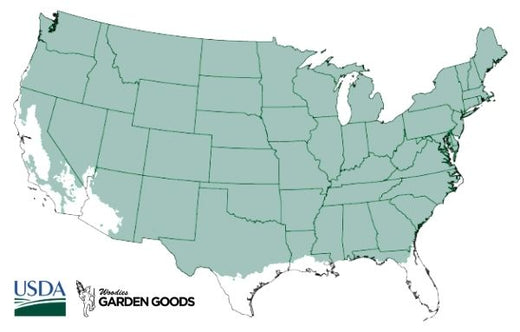
| Hardiness Zone: | 3-8 |
|---|---|
| Mature Height: | 24 to 30 Inches |
| Mature Width: | 18 to 20 Inches |
| Classification: | Annual |
| Sunlight: | Full sun to light partial shade |
| Foliage: | Intensely curled purple-red to burgundy leaves that darken in cold weather |
| Soil Condition: | Fertile, organic-rich, moist but well-drained soil |
| Water Requirements: | Consistent moisture; avoid prolonged drought or waterlogged soil |
| Uses: | Fall containers; edible landscapes; vegetable gardens; seasonal borders; mass plantings; mixed fall displays |
| Ornamental Features | Deep purple foliage; heavily curled leaf margins; tall upright habit; stronger color in cool weather |