Images Depict Mature Plants
Winterthur Viburnum
Viburnum nudum 'Winterthur'
Winterthur Viburnum is a great native shrub when you want something that works harder than a one-season flowering plant. The white flowers start the show, but the glossy leaves, pink-to-blue berries, and maroon fall color are what make it worth planting. I would always pair it with Brandywine or another Viburnum nudum if berries matter, because the fruit display is too good to leave to chance. Give it sun to part sun, steady moisture, and enough room to become a full, natural shrub.

15% OFF SITEWIDE SALE
Use Code 'PRIMETIME15' At Checkout
📦 Free shipping on orders over $99.
Delay shipping by leaving us a message at Checkout.
Share:



Winterthur Viburnum Brings Native Flowers, Berries, and Fall Color
A Native Viburnum With Three Seasons of Interest
Winterthur Viburnum is a compact selection of native smooth witherod viburnum grown for spring flowers, glossy foliage, colorful berries, and rich fall color. In spring to early summer, creamy white flower clusters appear above clean green leaves. As the season progresses, the flowers give way to ornamental berries that shift through pink, blue, and purple-blue tones.
This is an excellent shrub for homeowners who want a native plant that looks good year-round. Winterthur is not just a spring-flowering shrub. It brings summer foliage, fall fruit, autumn leaf color, and bird-friendly value, making it useful in mixed borders, native gardens, rain gardens, low hedges, and naturalized planting areas.
Pink-to-Blue Berries That Feed Birds
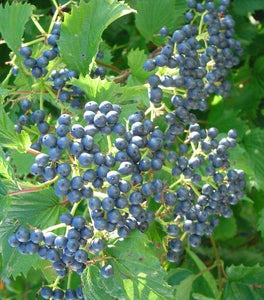
The berry display is one of the best reasons to grow Winterthur Viburnum. The fruit begins green, then develops pink tones before maturing to blue and purple-blue. In late summer and fall, multiple berry colors can appear simultaneously, creating a beautiful contrast against the glossy foliage.
Birds are attracted to the fruit, especially as the berries ripen and persist into cooler weather. To get the best berry set, plant Winterthur near another genetically different Viburnum nudum selection, such as Brandywine™ Viburnum. Winterthur can flower on its own, but cross-pollination is important if the fall fruit display is a major reason for planting.
Glossy Green Leaves and Maroon-Red Fall Color
Winterthur Viburnum has glossy, dark green foliage throughout the growing season, giving the plant a cleaner, more polished look than many loose native shrubs. The leaves create a strong backdrop for the white flowers in spring and the colorful berries later in the season.
In fall, the foliage can turn maroon, wine-red, burgundy, or reddish-purple, adding another layer of landscape value before winter. This makes Winterthur especially effective near patios, driveways, porches, and walkways where the seasonal color can be seen up close. It is also beautiful planted in groups, where the fall foliage and berry display become much more noticeable.
A Strong Choice for Rain Gardens and Moist Soil
Winterthur Viburnum is especially useful in moist, acidic, well-drained soil and can tolerate wetter sites better than many ornamental shrubs. It is a strong option for rain gardens, pond edges, streamside plantings, low areas, and native borders where the soil stays consistently moist but does not remain stagnant.
This adaptability makes Winterthur valuable in real home landscapes, especially where traditional foundation shrubs may struggle with seasonal moisture. It can also grow in average garden soil when watered during establishment and dry spells. Mulch the root zone to conserve moisture, moderate soil temperature, and help the shrub establish a strong root system.
Compact Native Structure for Hedges, Borders, and Wildlife Gardens
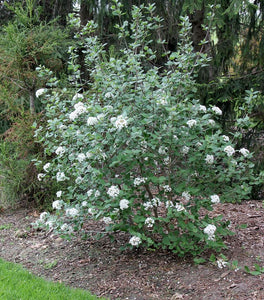
Winterthur Viburnum is more compact than the straight species and is commonly grown around 5 to 6 feet tall and wide in cultivation. That size makes it easier to use in residential landscapes than larger wild forms of Viburnum nudum. It has an upright, rounded habit that works well as a specimen, informal hedge, mixed-border shrub, or wildlife-garden anchor.
Use Winterthur in native plantings, rain gardens, hedgerows, foundation beds with enough room, and naturalized edges. It pairs beautifully with Brandywine Viburnum, Virginia Sweetspire, Clethra, Winterberry Holly, Red Twig Dogwood, Inkberry Holly, Oakleaf Hydrangea, Panicle Hydrangea, Fothergilla, native grasses, Joe Pye Weed, and other moisture-tolerant or wildlife-friendly plants.
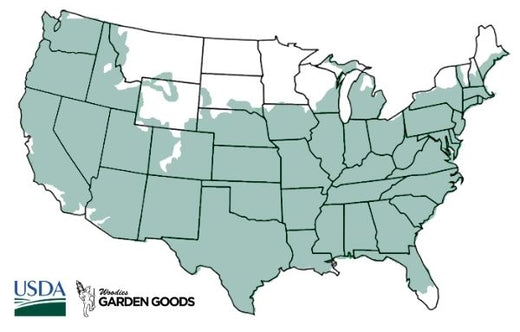
| Hardiness Zone: | 5-9 |
|---|---|
| Mature Height: | 5 to 6 feet |
| Mature Width: | 5 to 6 feet |
| Sunlight: | Full sun to part sun |
| Soil | Acidic, moist, well-drained soil; tolerant of moist to wet sites |
| Water | Average to moist; keep evenly moist during establishment and dry spells |
| Bloom Time / Color | Late spring to early summer; creamy white to white flower clusters |
| Berry / Fruit | Berries ripen from green to pink, blue, and purple-blue tones |
| Foliage | Glossy dark green leaves with maroon, wine-red, burgundy, or reddish-purple fall color |
| Ornamental Features | White spring flowers, glossy foliage, colorful fall berries, maroon-red fall color, native shrub character |
| Wildlife Value | Flowers support pollinators; berries attract birds |
| Resistance | Low maintenance; wet soil tolerant; deer resistance is moderate to variable depending on pressure |
| Landscape Uses | Rain gardens, wildlife gardens, native gardens, mixed borders, informal hedges, foundations, pond edges, streamside plantings, low moist areas |
How to Care for Winterthur Viburnum
Be sure to read our planting instructions to ensure a healthy and happy Winterthur Viburnum for years to come!
-v1784043539711.png?92x91)
How should I plant Winterthur Viburnum?
Plant Winterthur Viburnum in full sun to part sun with acidic, moist, well-drained soil. It is especially useful in native gardens, rain gardens, pond edges, streamside plantings, and low areas where the soil stays moist but does not remain stagnant. Dig a hole two to three times wider than the root ball and about the same depth as the container. Set the top of the root ball level with or slightly above the surrounding soil, backfill with native soil, water deeply, and mulch with 2 to 3 inches of mulch while keeping mulch away from the stems.
-v1784043567477.png?89x84)
How often should I water Winterthur Viburnum after planting?
Water Winterthur Viburnum deeply after planting and keep the soil evenly moist during the first growing season. Newly planted shrubs need consistent moisture while roots grow into the surrounding soil, especially during summer heat, drought, or windy weather. Once established, Winterthur can adapt to average moisture but performs best with steady water. It also tolerates moist and occasionally wet sites, which makes it useful for rain gardens and low areas. Avoid extremely dry soil during establishment and avoid stagnant standing water that does not drain.
-v1784043582662.png?90x89)
When should I fertilize Winterthur Viburnum?
Fertilize Winterthur Viburnum in early spring if growth is weak or the soil is poor. Use a balanced slow-release shrub fertilizer or topdress with compost around the root zone. In good garden soil, established viburnums often need little supplemental fertilizer. Avoid heavy fertilizing with high-nitrogen products, which can push leafy growth without improving flowers or berries. The best results come from proper sunlight, steady moisture, mulch, and planting near a compatible Viburnum nudum pollinator for fruit production.

When and how should I prune / cut back Winterthur Viburnum?
Prune Winterthur Viburnum only as needed. If shaping is necessary, prune lightly after flowering, but remember that the flowers become the berry clusters. Heavy pruning after bloom can reduce the fall fruit display. Remove dead, damaged, crossing, or poorly placed branches as needed. Avoid shearing Winterthur into a tight formal shape, because that can reduce flowers, berries, and its natural beauty. For the best fruit display, allow the shrub to grow in a rounded, natural form and keep pruning minimal.