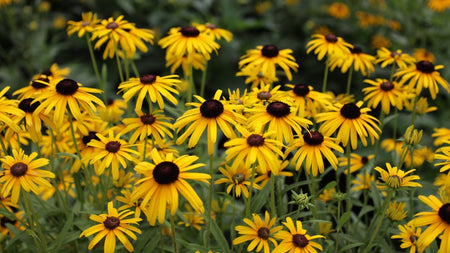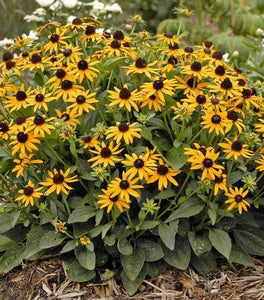
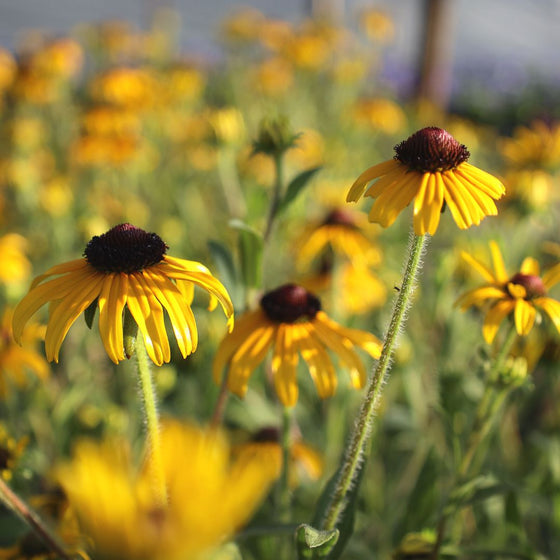


Images Depict Mature Plants
American Gold Rush Black Eyed Susan
Rudbeckia American Gold Rush
American Gold Rush is a great Rudbeckia when you want the classic Black Eyed Susan look with better foliage performance. The golden flowers give you that strong summer color, but the mildew resistance is the real upgrade because the plant stays cleaner later in the season. I like it in groups with coneflowers, catmint, salvia, Russian sage, sedum, asters, and ornamental grasses. It is bright, tough, pollinator-friendly, deer resistant, and easy to use in sunny beds.

Save Up to 25% On Your Order! Limited Time Only!
Discount Applied Automatically At Checkout
📦 Free shipping on orders over $99.
Delay shipping by leaving us a message at Checkout.
Share:Recommended Add-Ons



Mildew-Resistant Black Eyed Susan for Golden Summer Color
A Modern Black Eyed Susan with Cleaner Foliage.
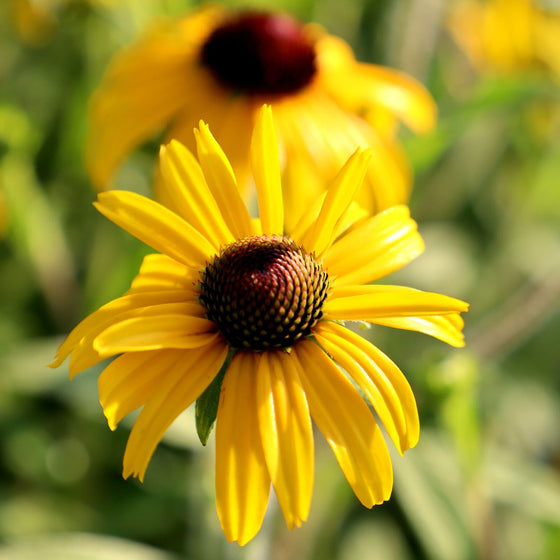
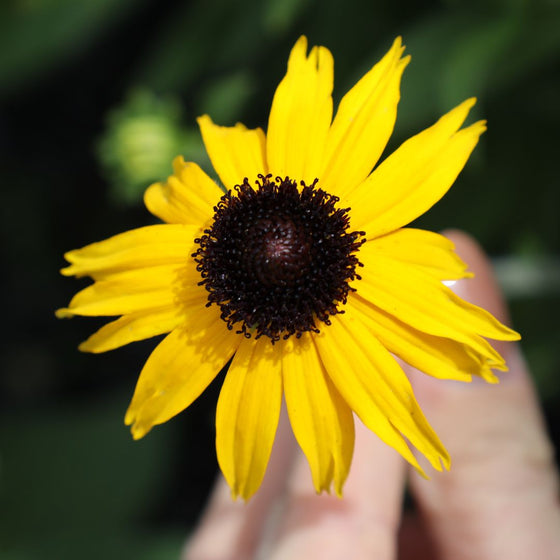
American Gold Rush Black Eyed Susan is an improved Rudbeckia grown for its bright golden-yellow flowers, dark center cones, and excellent disease-resistant foliage. It delivers the cheerful summer color gardeners expect from Black Eyed Susans, but with a cleaner, more polished look in the landscape. Use it in sunny borders, pollinator gardens, cottage plantings, foundation beds, and low-maintenance perennial beds where long-lasting color and dependable performance both matter.
Golden Flowers from Midsummer into Fall.The
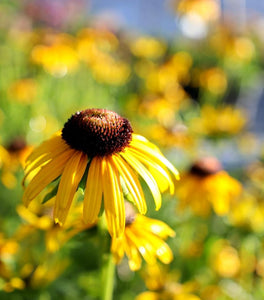
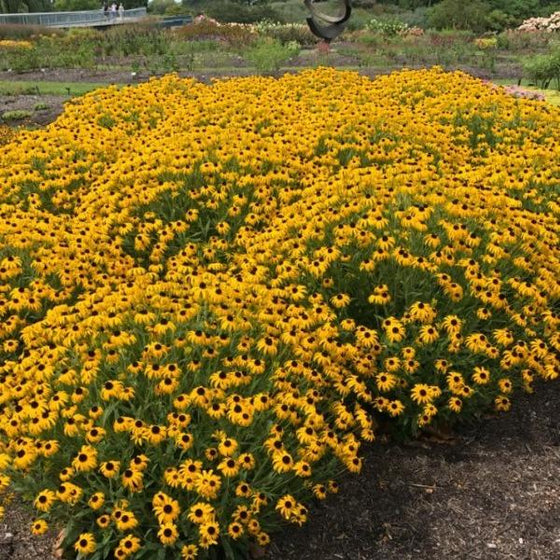
American Gold Rush produces abundant golden-yellow daisy-like flowers with dark brown to black center cones from midsummer into early fall. The blooms bring bold color during the hottest part of the season and combine beautifully with purple, blue, white, orange, and burgundy companion plants. Plant it in groups for the strongest impact, or repeat it through a sunny bed to create rhythm and seasonal structure.
Mildew-Resistant Foliage for Better Garden Performance.
One of the best reasons to choose American Gold Rush is its improved resistance to mildew compared with many older Rudbeckia varieties. The dark green foliage stays attractive longer, helping the plant look cleaner in late summer when some Black Eyed Susans can begin to show leaf spotting or mildew stress. This makes it a strong choice for homeowners who want bright flowers without sacrificing foliage quality.
Pollinator-Friendly, Deer-Resistant, and Bird-Useful.
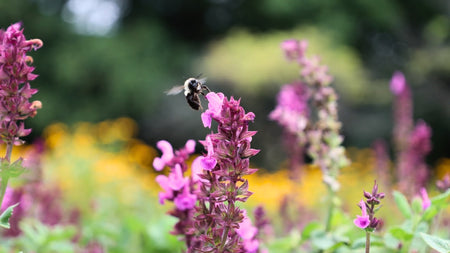
The golden flowers attract bees, butterflies, and other beneficial pollinators during bloom. After flowering, seed heads can be left standing to provide texture and potential food for birds. The coarse foliage also helps make this plant less appealing to deer. No plant is completely deer-proof, but American Gold Rush is a practical choice for sunny, deer-aware landscapes.
Easy Care in Sunny, Well-Drained Beds.
Plant American Gold Rush Black Eyed Susan in full sun with average, well-drained soil. It can tolerate light part shade, but full sun supports the heaviest flowering and strongest habit. Water regularly during establishment, then reduce watering once roots are developed. Deadhead spent blooms for a tidier look, or leave seed heads for birds and winter interest. Cut back old stems in late fall or early spring.
2020 AAS Herbaceous Perennial Winner
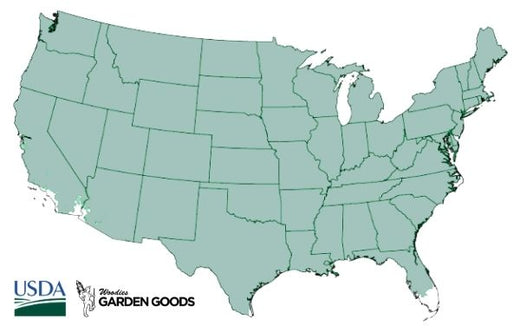
| Hardiness Zone: | 3-9 |
|---|---|
| Mature Height: | 24 to 36 Inches |
| Mature Width: | 24 to 36 Inches |
| Sunlight: | Full sun; tolerates light part shade |
| Soil Condition: | Average, well-drained soil; adaptable if drainage is adequate |
| Water Requirements: | Average during establishment; drought tolerant once established |
| Bloom Time / Color | Midsummer into early fall; golden-yellow flowers with dark center cones |
| Ornamental Features | Golden daisy-like flowers, dark center cones, mildew-resistant foliage, long bloom season |
| Wildlife Value | Attracts bees, butterflies, and pollinators; seed heads may support birds |
| Resistance | Deer resistant, drought tolerant once established, heat tolerant, mildew resistant, low maintenance |
| Landscape Uses | Sunny borders, pollinator gardens, cottage gardens, native-inspired plantings, meadow gardens, mass plantings, cut flower gardens, foundation beds, wildlife gardens, low-maintenance perennial beds |
How to Care for American Gold Rush Black Eyed Susan
Before you buy a American Gold Rush Black Eyed Susan, read the recommended care instructions to keep this plant healthy and thriving.

How should I plant American Gold Rush Black Eyed Susan?
Plant American Gold Rush Black Eyed Susan in full sun with average, well-drained soil. Choose a site that receives at least 6 hours of direct sun per day for the best flowering, strongest stems, and cleanest habit. Light part shade is tolerated, but too much shade may reduce bloom and loosen the plant. Dig a hole about twice as wide as the root ball and no deeper than the container. Set the crown level with the surrounding soil, backfill gently, and water thoroughly. Space plants about 24 to 36 inches apart for a full border, mass planting, or pollinator bed while still allowing airflow between clumps.

How often should I water American Gold Rush Black Eyed Susan after planting?
Water American Gold Rush Black Eyed Susan deeply after planting and keep the soil evenly moist while roots establish. During the first growing season, water when the top few inches of soil begin to dry, especially during hot or dry weather. Once established, American Gold Rush is drought tolerant and usually needs less supplemental watering. It will still bloom best with occasional deep watering during extended dry periods. Avoid constantly soggy soil, especially in winter.
-v1780673073123.png?90x89)
When should I fertilize American Gold Rush Black Eyed Susan?
American Gold Rush usually needs little fertilizer in average garden soil. A light application of compost or a balanced slow-release fertilizer in spring is enough if the soil is poor or growth is weak. Avoid heavy feeding, especially with high-nitrogen fertilizer. Too much fertility can encourage leafy growth at the expense of flowers. Full sun, proper spacing, and consistent establishment watering are usually more important than frequent fertilizing.

When and how should I prune American Gold Rush Black Eyed Susan?
Deadhead spent flowers during the bloom season if you want a tidier look and possible extended flowering. You can also leave some seed heads standing after bloom for winter texture and bird activity. Cut old stems back in late fall after frost or in early spring before new growth emerges. Divide clumps every few years if they become crowded, flower less heavily, or begin to thin in the center.