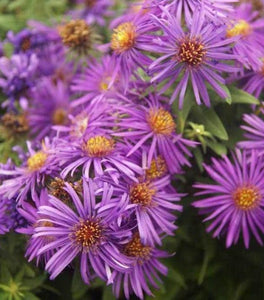
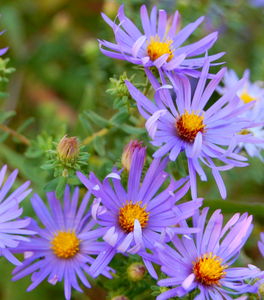
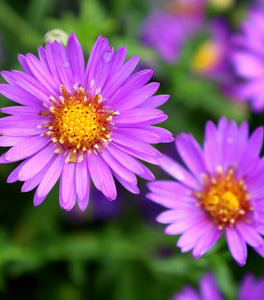
Images Depict Mature Plants
Bluebird Aster
Aster laevis 'Bluebird'
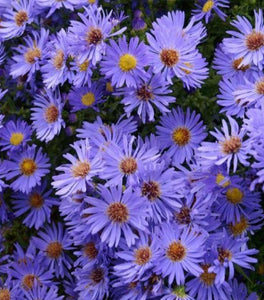
Aster ‘Bluebird’ is my kind of fall plant: sky-blue flowers when you need them most, pollinator energy when the garden is running low, and tough native performance that doesn’t demand perfect soil. Give it sun, pinch it once in early summer for a fuller habit, and you’ll get a late-season cloud of color that makes your whole landscape feel alive again.

PLANT-A-TREE WITH EVERY PURCHASE
PLUS 15% OFF SITEWIDE -- USE CODE 'USA250' AT CHECKOUT
📦 Free shipping on orders over $99.
Delay shipping by leaving us a message at Checkout.
Share:Recommended Add-Ons



Sky-Blue Fall Blooms For Pollinator Gardens And Tough Sunny Borders
Sky-Blue Fall Flowers That Bring Your Garden Back To Life
Aster ‘Bluebird’ is the perennial you plant for that exact moment when summer starts to fade, and your garden needs a second wind. As many beds quiet down, this smooth aster lights up with clouds of soft sky-blue, daisy-like blooms with golden centers, fresh color that reads crisp, airy, and joyful in late-season landscapes. It’s especially striking paired with warm-toned fall grasses, rudbeckias, and sedums, creating that “late-summer-to-fall transition” that makes a garden feel designed instead of simply winding down.
The form is just as valuable as the flowers. ‘Bluebird’ grows upright and clump-forming, creating a tall, vase-shaped presence that works as a border backbone or a meadow-style accent. If you’ve ever wished your fall garden had more movement, more brightness, and more life, this is the plant that delivers, without demanding constant attention or fussing.
A Pollinator Magnet When Bees And Butterflies Need It Most
Late-season blooms are not just pretty, they’re important. Aster ‘Bluebird’ becomes a true fall fueling station, pulling in bees, butterflies, and beneficial insects when many other nectar sources are fading. That means more movement in the garden, greater ecological value, and more satisfaction when you step outside and see your planting actively supporting wildlife. If you’re building a pollinator garden, asters are a cornerstone, and ‘Bluebird’ is one of the most reliable choices for big impact.
It also plays beautifully in mixed plantings. Use it behind shorter perennials to create a layered look, plant it in drifts for a meadow feel, or tuck it into a native border where it can mingle naturally. The flowers look soft and natural, but the performance feels intentional: dependable late color and pollinator energy right when you want it.
Tough Native Performance In Dry, Sunny, Real-World Conditions
If you want a fall bloomer that doesn’t melt in heat or sulk in average soil, ‘Bluebird’ is a strong pick. It thrives in full sun and handles dry to average soils once established, making it a smart choice for hot borders, open beds, and low-input landscapes. It’s also a great solution for gardeners who want beauty without constant irrigation, deep roots, and resilient growth that helps it keep going when the weather gets tough.
Deer resistance is another reason it earns space in the landscape. While no plant is completely deer-proof, asters like ‘Bluebird’ are commonly considered deer resistant, which matters in areas where browsing pressure limits your perennial choices. Give it sun, avoid soggy winter soils, and you’ll get a plant that shows up strong year after year.
A Cleaner, Fuller Plant With Simple Spacing And One Easy “Pinch”
Aster ‘Bluebird’ is easy, but it gets even better with one small technique: pinching. If you pinch the stems back once in late spring to early summer, you’ll encourage a denser habit, more branching, and more flowers, often with less flopping. It’s a simple move that makes the plant look more “garden-finished,” especially in borders where you want an upright, tidy shape through fall.
Spacing matters too. Give each clump room for airflow, so foliage stays healthier, and the plant can branch naturally. If you’re aiming for a natural drift, you can space a bit closer; if you want distinct clumps that look tailored, give it more room. With smart spacing and that single pinch, ‘Bluebird’ becomes a late-season showpiece that stays upright, blooms hard, and looks great doing it.
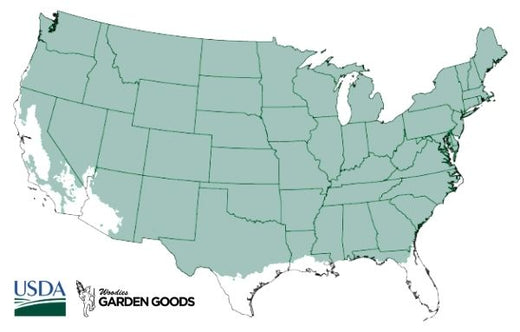
| Hardiness Zone: | 3-8 |
|---|---|
| Mature Height: | 3 to 4 feet |
| Mature Width: | 2 to 3 feet |
| Sunlight: | Full sun to light shade |
| Bloom Time / Color | Mid to late fall; pale/sky-blue blooms with yellow centers |
| Soil Condition: | Dry to average, well-drained; avoid wet winter soils |
| Water Requirements: | Water well to establish; low to moderate once established |
| Resistance (deer/disease/drought/etc.) | Deer resistant; rabbit resistant; drought tolerant once established |
| Wildlife Value | Strong late-season nectar for bees and butterflies |
| Landscape Uses: | Pollinator gardens, native borders, meadow plantings, mixed perennial beds, slope plantings |
How to Care for Bluebird Aster
Before you buy a Aster Bluebird Plant, make sure to read about the recommended care instructions to keep this plant healthy and thriving.

How should I plant Aster ‘Bluebird’?
Plant Aster ‘Bluebird’ in full sun (best bloom and sturdiness) or light shade in well-drained soil. Dig a hole about twice as wide as the root ball, set the crown level with the surrounding soil, backfill, and water deeply to settle the roots. Choose a spot with good airflow and avoid low, soggy areas—especially where winter wetness lingers. After planting, keep a weed-free ring around the base and add a light mulch layer to stabilize moisture (don’t bury the crown). If you’re planting multiple asters, lay out your spacing first so the clumps have room to branch and stay healthier through fall bloom season.
-v1759783262239.png?89x84)
How often should I water Aster ‘Bluebird’ after planting?
Water deeply right after planting, then keep the root zone evenly moist during the first growing season. In most gardens, that means deep watering 1–2 times per week when rainfall is light, and increasing watering during hot or windy periods. Deep soakings help roots grow down, which improves drought tolerance later. Once established, Aster ‘Bluebird’ is fairly drought-tolerant and usually only needs supplemental watering during extended dry spells. Water at the base rather than overhead to keep foliage drier and reduce the chance of late-season leaf issues.

When should I fertilize Aster ‘Bluebird’?
Fertilize lightly in early spring as new growth starts, using compost or a balanced slow-release perennial fertilizer. Asters don’t need heavy feeding—too much nitrogen can produce lush growth that’s more likely to flop and less focused on flowering. If your soil is lean, a second light feeding in late spring can help support branching, but avoid heavy fertilizing later in summer. For the best fall bloom performance, focus on sun, spacing, and consistent establishment watering more than aggressive feeding

When and how should I prune Aster ‘Bluebird’?
In late spring to early summer, pinch or cut stems back by about one-third to encourage a fuller plant with more branching and more flowers. This is optional, but it’s one of the best ways to reduce flopping and create a denser, more “garden-finished” habit for fall. After flowering, you can leave stems standing for winter interest and wildlife value, then cut the plant back to the ground in late winter or early spring before new growth begins. This resets the clump cleanly and keeps the plant vigorous for the next season.