

Images Depict Mature Plants
Stained Glass Hosta
Hosta x 'Stained Glass'
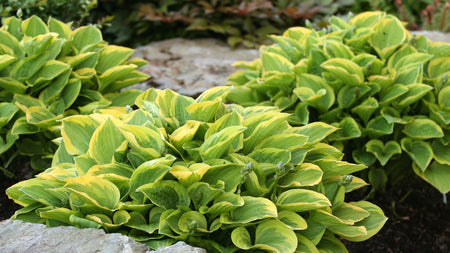
Stained Glass Hosta is one of the best hostas for lighting up a shady spot because the foliage has real glow. The golden centers, green margins, and bold veining give it more character than a standard green hosta, and the fragrant lavender flowers are a nice bonus in summer. I like it near shaded walkways, under high-canopied trees, or in containers where the leaves can be appreciated up close. Just remember that deer like hostas too, so plan protection if browsing is an issue.

15% OFF SITEWIDE, USE CODE 'FALLPLANT15'
📦 Free shipping on orders over $99.
Delay shipping by leaving us a message at Checkout.
Share:


Golden Variegated Hosta for Bright Shade Gardens
Bright Golden Leaves with Green Margins.
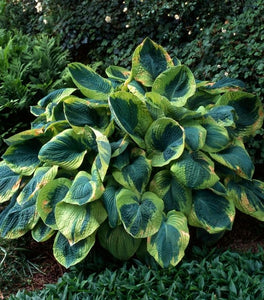
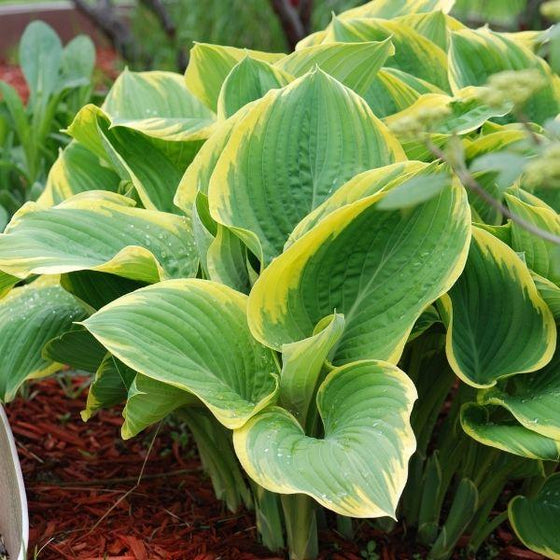
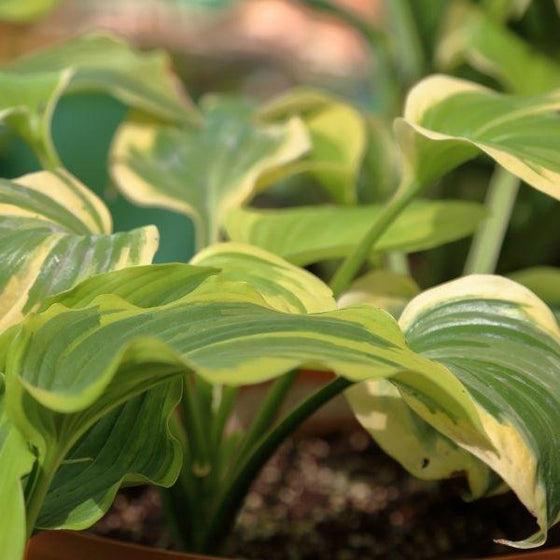
Stained Glass Hosta is a standout variegated hosta grown for its glowing golden leaves with wide green margins and prominent veining. The pattern gives each leaf a luminous, stained-glass effect that brightens shaded beds, woodland gardens, and mixed perennial borders. Its foliage provides strong color contrast, helping darker shade plants stand out, making it a dependable choice for adding light and structure to low-sun areas.
Fragrant Lavender Flowers in Summer.
While hostas are loved primarily for their foliage, Stained Glass Hosta also produces large, fragrant, pale lavender flowers in summer. The blooms rise above the foliage on tall scapes, adding seasonal height and attracting hummingbirds and other garden visitors. The flowers are a welcome bonus on a plant already valued for its bold leaf color and reliable clump-forming habit.
A 2006 Hosta of the Year for Shade Design.
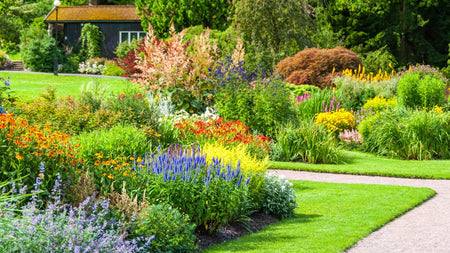
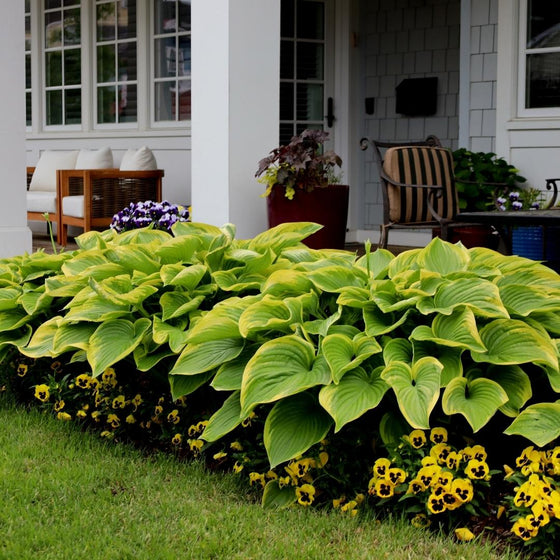
Stained Glass Hosta was named the 2006 Hosta of the Year, and it remains popular because of its strong variegation, reliable growth, and garden versatility. Use it as a focal point, mass planting, edging plant, woodland garden accent, or container feature. Its bright leaves pair beautifully with ferns, astilbe, heuchera, hellebores, brunnera, carex, Japanese forest grass, bleeding heart, and other shade-loving perennials.
Best in Part Shade to Full Shade.
This hosta performs best in part shade to full shade, with morning sun or filtered light helping bring out strong leaf color in many gardens. Protect it from hot afternoon sun, especially in warmer climates, where too much direct sunlight can scorch the leaves. Plant it in moist, organically rich, well-drained soil and mulch around the root zone to keep the soil cool and evenly moist.
Low Maintenance with Practical Pest Awareness.
Stained Glass Hosta is easy to grow when planted in the right site, but it is not deer-resistant. Deer commonly browse hostas, so protection may be needed in landscapes with heavy deer pressure. Slugs may also chew leaves, especially in damp conditions, though mature plants often tolerate minor damage. Keep the planting area clean, avoid overhead watering late in the day, and monitor for pests as the foliage expands.
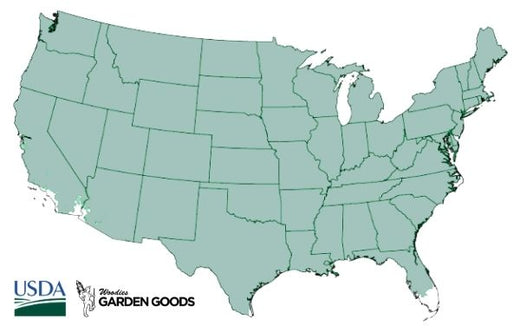
| Hardiness Zone: | 3-9 |
|---|---|
| Mature Height: | 15 to 20 Inches |
| Mature Width: | 30 to 48 Inches |
| Sunlight: | Part shade to full shade; morning sun or filtered light can improve color |
| Soil | Moist, average to organically rich, well-drained soil |
| Water | Moderate; keep evenly moist, especially during establishment and dry periods |
| Bloom Time / Color | Summer to late summer; fragrant pale lavender to lavender flowers |
| Foliage | Golden-yellow leaves with wide green margins and prominent veining |
| Ornamental Features | Variegated foliage, stained-glass veining, fragrant lavender flowers, 2006 Hosta of the Year |
| Wildlife Value | Flowers may attract hummingbirds and pollinators |
| Resistance | Low maintenance; may show some slug resistance, but deer commonly browse hostas |
| Landscape Uses | Shade borders, woodland gardens, mass plantings, edging, containers, shaded foundations, focal points, groundcover-style plantings |
How to Care for Stained Glass Hosta
Be sure to read our planting instructions to ensure a healthy and happy Stained Glass Hosta for years to come!
-v1778681213082.png?92x91)
How should I plant Stained Glass Hosta?
Plant Stained Glass Hosta in part shade to full shade where the soil is moist, well drained, and enriched with organic matter. Morning sun or filtered light can help brighten the golden foliage, but avoid hot afternoon sun, especially in warmer climates. Choose a site with enough room for the plant to spread into a broad clump over time. Dig a hole about twice as wide as the root ball and just as deep. Set the crown level with the surrounding soil, backfill gently, and water thoroughly. Add a 2- to 3-inch layer of mulch around the plant to conserve moisture and keep the root zone cool, keeping mulch slightly pulled back from the crown.
-v1778681235951.png?89x84)
How often should I water Stained Glass Hosta after planting?
Water Stained Glass Hosta deeply after planting and keep the soil evenly moist through the first growing season. Hostas perform best when they do not dry out severely, especially while roots are establishing and leaves are expanding in spring and early summer. Once established, water during dry spells to maintain full, healthy foliage. Plants growing in containers, under tree roots, or in brighter light may need more frequent watering. Avoid constantly soggy soil, but do not let the root zone become bone dry for long periods.
-v1778681250950.png?90x89)
When should I fertilize Stained Glass Hosta?
Fertilize Stained Glass Hosta in early spring as new shoots begin to emerge. Use a balanced slow-release fertilizer, a light topdressing of compost, or an organic fertilizer suitable for perennials. This helps support strong foliage growth and a full clump. Avoid heavy late-season fertilizing, which can encourage tender growth. Healthy hostas usually do not need aggressive feeding. Consistent moisture, organic matter, and good shade placement are more important than heavy fertilizer for long-term performance.

When and how should I prune Stained Glass Hosta?
Remove spent flower scapes after blooming if you prefer a cleaner look. The foliage should remain in place through the growing season because it feeds the crown and helps the plant build energy for the following year. Cut back dead foliage in late fall after frost or in early spring before new growth emerges. Remove damaged or slug-chewed leaves as needed during the season. Divide mature clumps in spring or early fall if the plant becomes crowded, outgrows its space, or you want to create additional plants.