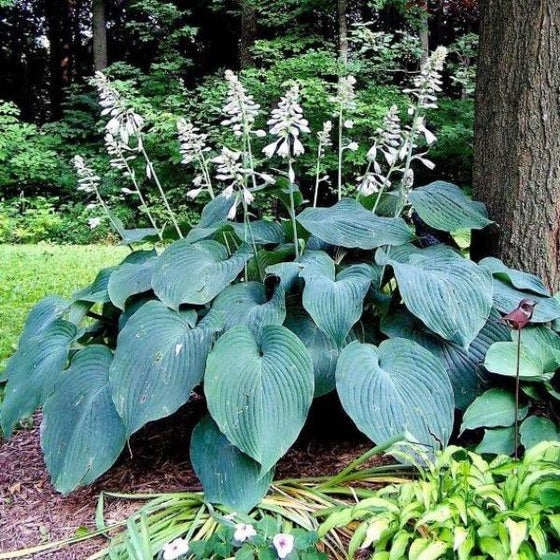
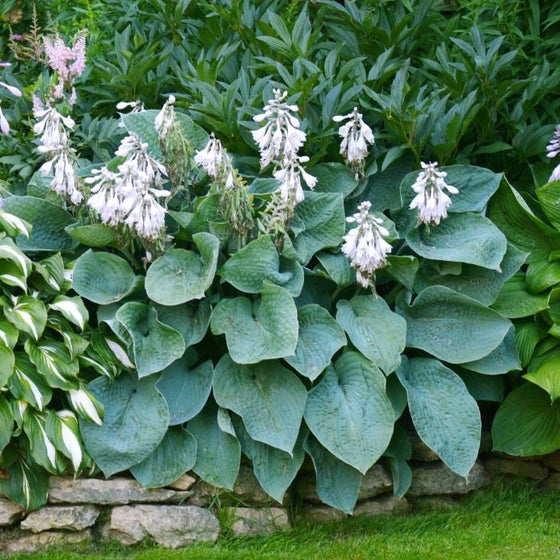
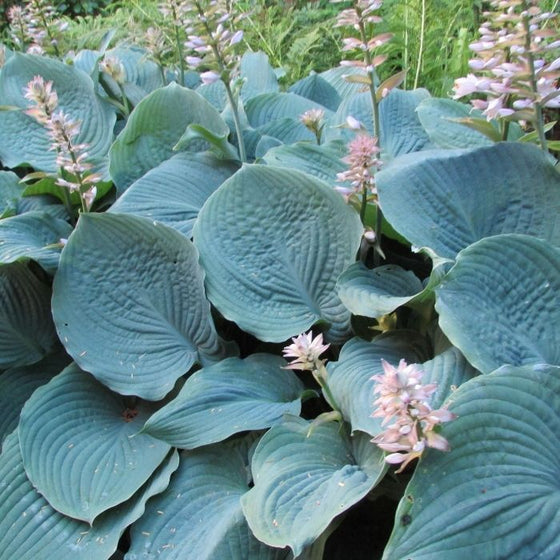


Images Depict Mature Plants
Blue Angel Hosta
Hosta x 'Blue Angel'
Blue Angel Hosta is a big, beautiful shade plant with the kind of leaf color that makes a garden feel cooler just by looking at it. The blue-green foliage has real size and substance, so it works well as a focal point rather than just a filler. I like it under trees, along shaded walks, or in large containers where the leaves can be appreciated up close. Give it shade, moisture, and room to grow, and plan for deer protection if browsing is common.

15% OFF SITEWIDE, USE CODE 'FALLPLANT15'
📦 Free shipping on orders over $99.
Delay shipping by leaving us a message at Checkout.
Share:


Giant Blue-Green Foliage for Bold Shade Garden Texture
One of the Best Large Blue Hostas for Shade.
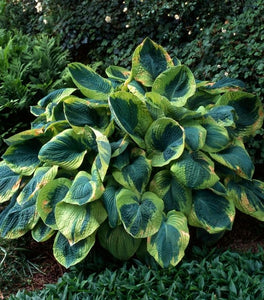
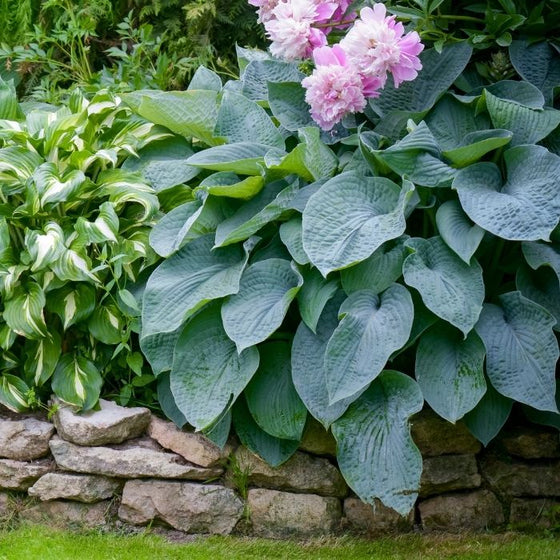
Blue Angel Hosta is a dramatic shade perennial grown for its giant, heart-shaped blue-green leaves and broad mounding habit. Its cool foliage color brings depth, contrast, and softness to woodland gardens, shaded borders, and foundation plantings. As one of the larger blue hosta varieties, Blue Angel is ideal for a low-light garden when you want a plant with real presence.
Large Heart-Shaped Leaves with Strong Texture.
The foliage is the main attraction of Blue Angel Hosta. Its large leaves have heavy substance and a blue-green cast that looks especially beautiful in cool shade. The leaves rise from the crown, spread outward, and create a graceful mound that can act as a living sculpture in the garden. Use it where the leaf size, color, and texture can be appreciated up close.
White Summer Flowers Above the Foliage.
In midsummer, Blue Angel Hosta produces white to near-white flowers on tall scapes that rise above the foliage. The blooms add seasonal height and may attract hummingbirds to the shade garden. While this hosta is primarily grown for its blue-green foliage, the flowers provide an elegant summer accent and extra movement in shaded plantings.
A Specimen Hosta for Woodland Gardens and Containers.
Blue Angel Hosta works beautifully as a specimen plant, shade border anchor, woodland garden feature, mass planting, or large container plant. Its size makes it useful under high-canopied trees, along shaded walkways, in mixed hosta beds, or behind smaller shade perennials. Pair it with ferns, astilbe, heuchera, hellebores, brunnera, carex, Japanese forest grass, bleeding heart, and other shade-loving plants.
Low Maintenance with Good Slug Resistance.
Blue Angel Hosta is easy to grow in part shade to full shade with moist, well-drained, organically rich soil. Its thick, heavy leaves are often noted for good slug resistance, making it a practical choice for gardeners who want a large hosta with stronger leaf durability. It should not be considered deer-proof, however. Deer commonly browse hostas, so protection may be needed in high-pressure landscapes.
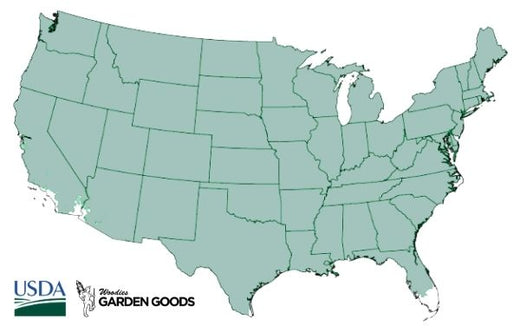
| Hardiness Zone: | 3-9 |
|---|---|
| Mature Height: | 2.5 to 3 Feet |
| Mature Width: | 3.5 to 4 Feet |
| Sunlight: | Part shade to full shade; morning sun or filtered light may be tolerated |
| Soil | Moist, average to fertile, well-drained soil enriched with organic matter |
| Water Requirements: | Average to consistent; keep evenly moist, especially during establishment and dry periods |
| Bloom Time / Color | Midsummer to late summer; white to near-white flowers |
| Foliage | Giant heart-shaped blue-green to blue-gray leaves with heavy substance |
| Ornamental Features | Giant blue-green foliage, broad mounding habit, white flowers, specimen value, cut foliage use |
| Wildlife Value | Flowers may attract hummingbirds and pollinators |
| Resistance | Good slug resistance for a hosta; deer may browse foliage |
| Landscape Uses | Shade borders, woodland gardens, specimen plantings, mass plantings, large containers, shaded foundations, focal points, background plantings |
How to Care for Blue Angel Hosta
Be sure to read our planting instructions to ensure a healthy and happy Blue Angel Hosta for years to come!

How should I plant Blue Angel Hosta?
Plant Blue Angel Hosta in part shade to full shade where the soil is moist, well drained, and enriched with organic matter. Morning sun or filtered light can be tolerated, but hot afternoon sun may reduce the blue foliage color and scorch the leaves. Choose a planting site with enough room for this large hosta to develop a broad, mature clump. Dig a hole about twice as wide as the root ball and just as deep. Set the crown level with the surrounding soil, backfill gently with the native soil mixed with compost or topsoil, and water thoroughly. Add a 2- to 3-inch layer of organic mulch around the plant to conserve moisture and keep the root zone cool, keeping mulch slightly pulled back from the crown.

How often should I water Blue Angel Hosta after planting?
Water Blue Angel Hosta deeply after planting and keep the soil evenly moist through the first growing season. Large hostas have broad leaves and perform best when the root zone does not dry out severely, especially while the plant is establishing and expanding new foliage. Once established, water during dry spells to maintain full, healthy leaves. A deep watering once a week is often better than frequent shallow watering, but plants growing in containers, under tree roots, or in brighter light may need more frequent attention. Water near the base of the plant when possible to keep foliage cleaner.
-v1778703725662.png?90x89)
When should I fertilize Blue Angel Hosta?
Fertilize Blue Angel Hosta in spring as new shoots begin to emerge or before the plant begins active bloom growth. Use a balanced slow-release fertilizer, a light topdressing of compost, or an organic fertilizer suitable for perennials. This supports the large foliage and helps the plant develop a full, broad clump. Avoid heavy late-season fertilizing. Stop feeding several weeks before frost so the plant can harden off naturally before winter dormancy. Consistent moisture, organic matter, and proper shade placement are more important than heavy fertilizer for long-term hosta performance.

When and how should I prune Blue Angel Hosta?
Blue Angel Hosta is a big, beautiful shade plant with the kind of leaf color that makes a garden feel cooler just by looking at it. The blue-green foliage has real size and substance, so it works well as a focal point rather than just a filler. I like it under trees, along shaded walks, or in large containers where the leaves can be appreciated up close. Give it shade, moisture, and room to grow, and plan for deer protection if browsing is common.