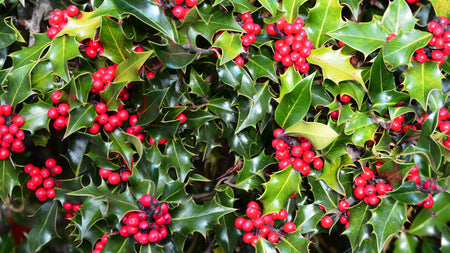
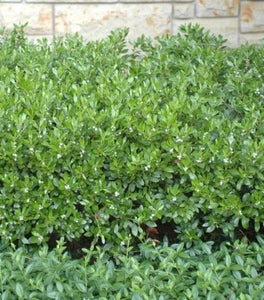
Images Depict Mature Plants
Shamrock Inkberry Holly
Ilex glabra 'Shamrock'
Shamrock Inkberry Holly is one of those evergreen shrubs that quietly makes the whole landscape look better. It stays glossy and full, works beautifully as a hedge or foundation plant, and gives you the clean evergreen structure homeowners want without much upkeep.

Save Up to 25% On Your Order! Limited Time Only!
Discount Applied Automatically At Checkout
📦 Free shipping on orders over $99.
Delay shipping by leaving us a message at Checkout.
Share:

Dense Native Evergreen Structure for Hedges, Borders, and Foundation Beds
A native evergreen that keeps the landscape looking full
Shamrock Inkberry Holly is an excellent choice for homeowners who want a dependable evergreen shrub with a clean, substantial appearance year-round. Its dense, rounded habit helps fill landscape beds beautifully, making it a strong option for foundations, borders, and low hedges where year-round structure matters. Because it is a selection of a North American native species, it also appeals to gardeners who want a plant with regional adaptability and a more natural fit in the landscape.
Glossy dark green foliage gives it a polished look
The foliage is one of the biggest reasons Shamrock Inkberry Holly is so useful. Its small, boxwood-like leaves are glossy and deep green, creating a rich evergreen surface that looks neat through winter and helps anchor the landscape when deciduous plants have dropped their leaves. That dense foliage also makes it especially effective as a boxwood alternative where homeowners want a similar evergreen look with a different plant choice.
Naturally compact growth makes it easy to manage
One of the best traits of Shamrock Inkberry Holly is its naturally compact, rounded form. It stays full and tidy without needing constant shaping, which makes it a strong fit for homeowners who want an evergreen that looks maintained without becoming a pruning project. It can still be clipped when a more formal line is desired, but it is just as attractive when allowed to hold its natural shape.
Excellent for hedges, foundation beds, and mass plantings
Shamrock Inkberry Holly is especially effective in foundation plantings, evergreen borders, low hedges, and repeated mass plantings where a dense green rhythm helps unify the design. It works beautifully as a front-facing evergreen shrub, but it also has enough body to function as a mid-height anchor in mixed beds. In landscapes where a polished evergreen backdrop is needed without sharp foliage or an overly rigid outline, this variety fits the role very well.
Low maintenance, deer resistant, and berrying with pollination
This broadleaf evergreen performs best in full sun to partial shade and in acidic, well-drained to evenly moist soil. Once established, it is relatively low-maintenance and is widely described as deer-resistant, though it is best to frame that as relative rather than absolute in areas with heavy browsing pressure. Shamrock is a female inkberry selection, so black berries can develop and persist into winter, but dependable berry set requires a compatible male inkberry nearby.
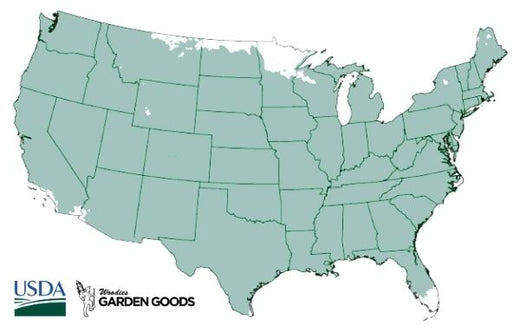
| Hardiness Zone: | 4-9 |
|---|---|
| Mature Height: | 3 to 4 Feet |
| Mature width: | 3 to 4 Feet |
| Sunlight: | Full sun to partial shade |
| Soil: | Acidic, well-drained to moist soil |
| Water: | Moderate during establishment; appreciates even moisture |
| Bloom Time / Color: | Spring; small inconspicuous white flowers |
| Ornamental Features: | Dense rounded habit, glossy dark green foliage, compact boxwood-like appearance |
| Wildlife Value: | Native shrub; female plants can produce black berries with a male pollinator nearby |
| Resistance (deer/disease/drought/etc.): | Relatively deer resistant, adaptable, low maintenance |
| Landscape Uses: | Hedges, borders, foundation beds, mass plantings, boxwood alternative plantings, evergreen structure plantings |
How to Care for Shamrock Inkberry Holly
Be sure to read our planting instructions to ensure a healthy and happy Shamrock Inkberry Holly Shrub for years to come!

How should I plant Shamrock Inkberry Holly?
Plant Shamrock Inkberry Holly in full sun to partial shade in acidic, well-drained soil, though it can also handle evenly moist ground better than many broadleaf evergreens. Dig a hole about twice as wide as the root ball and no deeper than the root ball itself, then set the shrub so the top of the root ball sits level with or slightly above the surrounding soil. Backfill with the native soil, water deeply, and mulch around the base to help conserve moisture and suppress weeds. If you are planting Shamrock Inkberry Holly as a hedge or foundation row, give each plant enough room to fill out naturally so the shrubs knit together into a dense, attractive line over time.

How often should I water Shamrock Inkberry Holly after planting?
Water Shamrock Inkberry Holly deeply right after planting, then keep the soil evenly moist during the first growing season while the roots establish. In most home landscapes, that means watering about once or twice per week depending on rainfall, drainage, and heat. Once established, this shrub is fairly adaptable, but it still performs best when it does not swing between extreme drought and constantly soggy conditions. Consistent moisture is especially helpful during the first season and during long hot stretches in summer.

When should I fertilize Shamrock Inkberry Holly?
Fertilize Shamrock Inkberry Holly lightly in early spring with a balanced slow-release fertilizer for evergreens or acid-loving shrubs. A moderate spring feeding supports healthy dark green foliage and steady branching without encouraging weak, overly lush growth. In many landscapes, this shrub does not need heavy feeding to look good. Proper soil pH, mulching, and steady moisture during establishment usually matter more than repeated fertilizing.

When and how should I prune Shamrock Inkberry Holly?
Prune Shamrock Inkberry Holly in late winter or early spring if shaping is needed. Start by removing any dead, damaged, or wayward branches, then make light cuts to preserve the shrub’s natural rounded habit. This plant usually needs only minimal pruning because it naturally stays compact and full. If you are using it in a formal hedge, occasional light shaping may help keep a clean line, but heavy shearing is generally unnecessary.