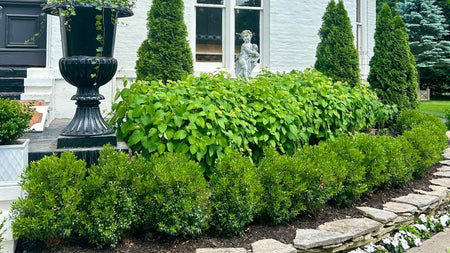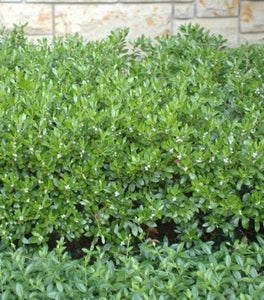


Images Depict Mature Plants
Strongbox® Inkberry Holly
Ilex glabra 'ILEXFARROWTRACEY' PP30,147
I've always liked the idea of using native plants in landscapes where homeowners would normally reach for something more traditional, and Strongbox Inkberry Holly is one of the best examples of that approach. If you love the look of boxwood but are concerned about boxwood blight, leafminers, or other problems, this is a plant I would seriously consider. What gets my attention about Strongbox is how naturally full and compact it stays. A lot of ordinary inkberry hollies eventually develop bare lower branches, but Strongbox was selected for its dense growth right down to the ground. I particularly like using it in low foundation hedges, along front walkways, or as repeating evergreen accents in a landscape bed. The foliage stays green throughout the year, and the plant can provide some wildlife value because it's a selection of our native inkberry holly. One thing I always recommend is paying attention to soil moisture. Strongbox likes moist, acidic soil and doesn't appreciate extended drought, so I wouldn't plant it in a hot, dry bed and expect it to perform like a juniper. Give it the right conditions and enough sunlight, and you've got a very attractive alternative to boxwood that provides structure without constant pruning. For homeowners who want a neat evergreen shrub with native origins and fewer boxwood-specific concerns, Strongbox is an excellent choice.
$93.46 with code NOVEMBER15 at checkout Save $16.49
📦 Free shipping on orders over $99.
Delay shipping by leaving us a message at Checkout.
Share:

Strongbox Inkberry Holly – A Compact Native Evergreen Alternative to Boxwood
Strongbox Inkberry Holly Delivers the Classic Look of Boxwood With Native Evergreen Appeal
Strongbox Inkberry Holly is one of the most useful evergreen shrubs for homeowners who love the clean, organized appearance of boxwood but want an attractive alternative. This compact native holly develops a dense, naturally rounded growth habit with small, glossy green leaves that provide beautiful structure throughout the year. Unlike many traditional inkberry hollies that can become open or bare near the bottom, Strongbox maintains full, attractive branching close to the ground when grown under suitable conditions. Its low, broadly rounded form gives it the tidy appearance homeowners appreciate in foundation plantings, borders, and formal garden designs. Because it naturally develops an appealing shape, Strongbox does not require constant shearing to maintain a polished appearance.
What I particularly like about Strongbox Inkberry Holly as a boxwood alternative is its ability to provide familiar landscape structure while offering different growing characteristics. As a selection of the eastern North American native Ilex glabra, it is well suited to gardens with acidic soils and reliable moisture. It is also not susceptible to boxwood blight, since that disease affects boxwoods rather than inkberry hollies. Strongbox is a good choice for homeowners who want to replace struggling boxwoods or install a fresh evergreen landscape without depending on the same plant used in so many traditional foundation designs. Its small leaves and dense growth allow it to blend into both formal and natural landscapes, making it a versatile shrub for year-round garden structure.
Naturally Compact Growth Creates Beautiful Low Hedges and Foundation Plantings
One of the most desirable characteristics of Strongbox Inkberry Holly is its compact mature size of approximately 2 to 3 feet tall and wide. Rather than growing into a large upright shrub, Strongbox develops a broad, low, mounded shape that fits comfortably into smaller landscape spaces. Its branches emerge densely from the base, creating a full appearance that makes it particularly useful along walkways, in front of porches, and around the foundations of homes. This naturally squat growth habit distinguishes Strongbox from other inkberry cultivars that eventually become taller or require more frequent pruning. In garden beds where space is limited, Strongbox provides evergreen structure without overwhelming nearby perennials or architectural features.
For a continuous low hedge, plant individual Strongbox Inkberry Hollies approximately 24 to 36 inches apart, adjusting spacing according to the desired density and how quickly the planting should fill in. A row of these shrubs can create a beautiful border along a driveway, frame a garden entrance, or separate a lawn from a perennial bed. Strongbox also works well as an individual specimen in a decorative container or as a repeating evergreen accent throughout a larger landscape. Its foliage responds well to light shaping, allowing homeowners to maintain a somewhat more formal appearance when desired. However, its naturally dense branching makes frequent trimming unnecessary, which is especially appealing for homeowners who prefer a neat landscape with less routine maintenance.
Glossy Evergreen Foliage Provides Dependable Color Through Every Season
Strongbox Inkberry Holly provides the year-round green foliage that makes evergreen shrubs so valuable in residential landscaping. During spring, fresh green growth emerges along its densely branched stems, gradually developing into attractive, glossy foliage. The small, oval leaves create a refined texture that resembles boxwood from a distance, although the foliage is botanically distinct. Throughout the summer, Strongbox maintains its compact, green appearance, providing an excellent backdrop for flowering perennials and colorful ornamental grasses. Unlike deciduous shrubs that lose their foliage in autumn, Strongbox keeps its leaves through the colder months, helping garden beds maintain structure even after surrounding plants have become dormant.
Winter is when the value of Strongbox becomes especially noticeable. Its dense evergreen foliage and low, rounded shape help frame walkways, define landscape beds, and soften the appearance of foundations during a season when many other plants offer little color. Established shrubs generally retain an attractive green appearance when planted in suitable conditions, although exposed sites and severe weather may cause some foliage discoloration. Strongbox is particularly effective when repeated throughout a landscape to provide visual consistency. A series of low evergreen mounds can connect separate planting areas and create a finished look without making the garden feel overly formal. For homeowners who want dependable four-season structure in a manageable shrub, Strongbox Inkberry Holly offers tremendous landscape value.
A Native, Deer-Resistant Evergreen With Important Wildlife Benefits
Strongbox Inkberry Holly is a cultivated selection of Inkberry Holly, a broadleaf evergreen native to eastern North America. This makes it an appealing choice for homeowners who want to incorporate native plant species into ornamental landscapes without sacrificing the tidy appearance of traditional foundation shrubs. Strongbox produces small, inconspicuous white flowers in spring that provide nectar and pollen for visiting insects. Although the flowers are not particularly showy, they contribute to the shrub's ecological value. Because Strongbox is a female inkberry variety, it can also produce small black berries when a compatible male inkberry holly is growing nearby. These berries may provide food for birds and other wildlife during the colder months.
Another important advantage of Strongbox is its good resistance to deer browsing. While no ornamental shrub is completely deer-proof, inkberry holly is generally less attractive to deer than many other landscape plants. This characteristic makes Strongbox useful in residential neighborhoods where deer frequently damage evergreen shrubs. Its dense branching can also provide shelter for small birds and beneficial garden wildlife. For homeowners interested in encouraging berry production, a compatible male selection such as Squeeze Box Inkberry Holly should be planted nearby to provide pollen. Without a male pollinator, Strongbox generally will not develop berries. Even when grown without fruit, however, its combination of native origin, durable foliage, and year-round shelter value makes it a worthwhile addition to wildlife-friendly landscapes.
Strongbox Inkberry Holly Thrives in Moist Soil and Partially Sunny Landscapes
Strongbox Inkberry Holly performs best in full sun to partial sun with consistently moist, acidic soil. Ideally, the planting location should receive at least four hours of direct sunlight daily to encourage dense branching and maintain its attractive compact habit. While the species can tolerate some shade, Strongbox generally develops its fullest appearance in areas with adequate sunlight. One characteristic that sets inkberry holly apart from many traditional foundation shrubs is its preference for soils that retain some moisture. It can tolerate occasional periods of wet soil, making it useful in landscape areas where well-drained yet consistently moist conditions may challenge other evergreen shrubs. The plant, however, does not perform well under prolonged drought.
Because inkberry holly develops a relatively shallow root system, maintaining soil moisture is especially important during establishment and hot summer weather. Applying a 2- to 3-inch layer of organic mulch helps conserve moisture, moderate soil temperatures, and protect the roots. Strongbox performs particularly well in acidic soils, although many ordinary garden soils can be suitable when their pH and drainage are appropriate. Avoid planting it in extremely alkaline soils, where nutrient availability may become limited, and foliage can turn yellow. Once established, Strongbox requires relatively little routine maintenance beyond watering during dry periods and occasional shaping. For homeowners seeking a compact native evergreen that thrives in moist, acidic garden conditions, Strongbox provides an attractive and practical landscape solution.
Create Elegant Garden Designs With Strongbox Inkberry Holly and Colorful Companion Plants
Strongbox Inkberry Holly is especially effective when used as a permanent evergreen foundation for colorful seasonal plantings. Its dark green foliage provides a beautiful background for flowering perennials, ornamental grasses, and compact flowering shrubs. Along a front walkway, a row of Strongbox plants can define the garden's edge while allowing colorful perennials to provide seasonal accents behind or between the shrubs. I particularly like pairing Strongbox with Catmint, Black-Eyed Susans, and compact Panicle Hydrangeas in sunny locations. Their colorful flowers and contrasting growth habits complement the holly's tidy evergreen form. In partially shaded landscapes, consider combining Strongbox with Coral Bells, Ferns, and other plants that appreciate similar soil moisture conditions.
For a more formal design, use Strongbox Inkberry Holly to create low hedges, symmetrical entrance plantings, and neatly defined garden borders. Its compact habit makes it suitable for repeating patterns that bring consistency to residential landscapes. In larger gardens, Strongbox can also serve as a low evergreen foreground beneath taller native shrubs, ornamental trees, and flowering hydrangeas. Because it naturally keeps foliage close to the ground, it is especially useful for homeowners who want clean visual lines without exposing bare lower branches. For decorative outdoor containers, choose sufficiently large pots with drainage holes and water regularly, especially during summer. Whether used as an individual accent or planted in groups, Strongbox Inkberry Holly provides lasting structure, attractive texture, and a refined landscape appearance year-round.
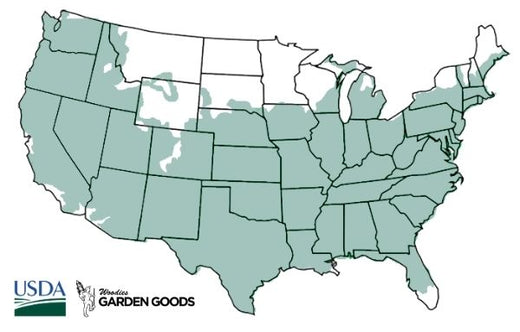
| Hardiness Zone: | 5-9 |
|---|---|
| Mature Height: | 24–36 inches (2–3 feet) |
| Mature width: | 24–36 inches (2–3 feet) |
| Sunlight: | Full sun to partial sun; at least 4 hours of direct sunlight preferred |
| Soil Condition: | Moist, acidic, organically enriched soil; tolerates clay, sandy soil, and occasional wet conditions; avoid strongly alkaline sites |
| Water Requirement | Moderate to high; regular moisture required, particularly during establishment and dry periods |
| Foliage: | Glossy medium to dark green |
| Resistance: | Deer; boxwood blight (not a susceptible host); moderate salt exposure; occasional wet soil; winter burn resistance; tolerant of various soil textures. Not drought tolerant |
| Landscape Use: | Low hedges, foundation plantings, borders, edging, mass plantings, specimen shrubs, containers, native gardens, pollinator gardens, moist garden beds |
How to Care for Strongbox® Inkberry Holly
Be sure to read our planting and care instructions to ensure a healthy and happy Strongbox® Inkberry Holly for years to come!

How should I plant Strongbox Inkberry Holly?
Plant Strongbox Inkberry Holly in a location receiving full sun to partial sun, preferably at least four hours of direct sunlight daily. Choose an area with moist, acidic soil that drains adequately but does not become excessively dry. Although inkberry holly tolerates occasional wet conditions, it should not be planted where prolonged standing water prevents normal root function. Before planting, loosen the surrounding soil and remove weeds or competing vegetation. Where soil is compacted or lacks organic matter, incorporate compost as appropriate for the site. If the soil is alkaline, consider testing and correcting the pH before planting rather than relying on excessive fertilizer applications. Dig a planting hole approximately twice as wide as the root ball and no deeper than its height. Remove the shrub carefully from its container and gently loosen tightly circling roots if necessary. Position the top of the root ball at or slightly above the surrounding soil surface, then backfill with the original soil and water thoroughly. Apply 2–3 inches of organic mulch around the plant, keeping the mulch away from the main stems. Strongbox has a relatively shallow root system, so mulching is especially beneficial for conserving moisture. When creating a hedge, space plants approximately 24–36 inches apart, using the closer end of the range when a continuous low border is desired.

How often should I water Strongbox Inkberry Holly after planting?
During its first growing season, Strongbox Inkberry Holly needs consistent watering to develop a strong, healthy root system. Check the soil regularly and water deeply whenever the root zone begins to dry. As an initial guideline, aim for approximately 1 inch of water per week, including rainfall, adjusting for soil texture, weather conditions, and the size of the root ball. Newly planted shrubs may require more frequent checks during hot, windy weather because container-grown root balls can dry faster than the surrounding garden soil. Water slowly around the base of the shrub, allowing moisture to penetrate the root zone rather than running off the soil surface. Even after establishment, Strongbox Inkberry Holly is not considered drought tolerant. Unlike some evergreen shrubs that tolerate extended dry periods, inkberry holly performs best when soil moisture remains reasonably consistent. During hot summers or prolonged periods without rainfall, supplemental watering may still be necessary to maintain healthy foliage. A 2- to 3-inch layer of organic mulch helps reduce evaporation and protect the relatively shallow roots. Avoid allowing the plant to remain continuously submerged in stagnant water, even though it tolerates occasional wet soil. If foliage begins yellowing or browning, check soil moisture, drainage, and pH before assuming the plant needs fertilizer.

When should I fertilize Strongbox Inkberry Holly?
Strongbox Inkberry Holly generally requires modest fertilization when planted in suitable soil. The best approach is to conduct a soil test before applying nutrients, particularly because inkberry holly prefers acidic conditions. If fertilization is needed, apply an appropriate balanced or acid-forming slow-release fertilizer in early spring as active growth begins, following the manufacturer's instructions and recommended rates. Fertilizers formulated for acid-loving shrubs, such as those commonly used for hollies and azaleas, may be suitable when soil test results support their use. Organic compost can also help maintain soil quality while supporting healthy root growth. Avoid excessive applications of nitrogen, which can encourage unnecessary shoot growth and interfere with the shrub's naturally compact appearance. More fertilizer does not necessarily produce a healthier or denser Strongbox Holly. If leaves develop yellow coloration, first check whether the soil is excessively alkaline, waterlogged, or unusually dry. Nutrient deficiencies and root stress can produce similar symptoms, so proper diagnosis is important before adding fertilizer. Established shrubs growing vigorously in fertile, acidic soil may require little supplemental feeding. For the best long-term results, prioritize appropriate soil pH, consistent moisture, and healthy root development over frequent fertilizer applications.

When and how should I prune Strongbox Inkberry Holly?
Strongbox Inkberry Holly naturally develops a dense, compact, broadly rounded shape, so extensive pruning is rarely necessary. If you would like to create a more formal hedge or maintain a specific outline, perform light shaping in mid- to late spring after new growth has emerged, as recommended by the plant's introducer. This timing allows you to evaluate the new growth and selectively shorten branches that extend beyond the desired shape. Strongbox produces its small spring flowers on old wood, so pruning can remove some flowering shoots and reduce potential berry production. Gardeners who value berries should minimize pruning until flowering has finished. Use clean, sharp pruning tools to shorten individual branches or lightly shear the outer growth. Avoid repeatedly cutting deep into the interior of the shrub, particularly where little healthy foliage remains. Preserving its natural low, broad form generally produces the most attractive appearance. Remove dead, damaged, or diseased branches whenever necessary, making clean cuts back to healthy wood. If growing Strongbox as a formal hedge, maintain a profile that allows sunlight to reach the lower branches rather than creating an excessively wide top. This helps preserve the plant's characteristic dense foliage from top to bottom and reduces the need for major corrective pruning.