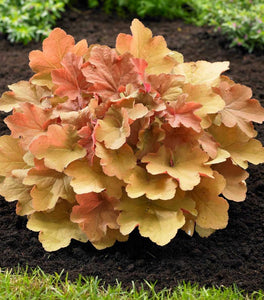
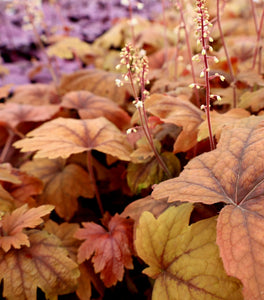
Images Depict Mature Plants
Running Tapestry Foamflower
Tiarella cordifolia 'Running Tapestry'
Running Tapestry Foamflower is one of those shade plants that quietly solves a lot of design problems. I really like the way it spreads into a soft carpet, the patterned foliage keeps the planting interesting even when it is not blooming, and the spring flower spikes bring just enough brightness without making the shade garden feel busy. For homeowners who want a woodland perennial that can help fill space, soften edges, and still look refined, this is a very useful and very beautiful choice.

15% OFF SITEWIDE SALE
Use Code 'PRIMETIME15' At Checkout
📦 Free shipping on orders over $99.
Delay shipping by leaving us a message at Checkout.
Share:Recommended Add-Ons


Spreading Foamflower Beauty with Spring Blooms and Decorative Foliage for Shade
A Shade Perennial That Spreads into a Soft Living Tapestry
Running Tapestry Foamflower is an excellent choice for homeowners who want a shade perennial that does more than sit in one small clump. This tiarella spreads by runners, gradually forming a soft carpet of attractive foliage that helps connect a shady planting and fill open ground with real texture and life. In woodland gardens, shaded borders, and underplantings beneath shrubs, it creates a layered, natural look that makes the whole garden feel more settled and complete.
The foliage is one of the plant’s biggest strengths. Each leaf has a distinct lobed shape and often shows dramatic darker markings through the center, which gives the plant a more decorative look even when it is not in bloom. That patterned foliage helps Running Tapestry stand out from plainer ground covers and gives homeowners a shade plant that feels ornamental for much more than just a few weeks in spring.
Its spreading habit also makes it especially useful in practical landscape design. Homeowners can use it to soften the base of shrubs, edge woodland paths, cover bare soil in shaded beds, or create a more cohesive understory planting without relying solely on mulch. Instead of looking sparse or patchy, the shade garden begins to feel woven together.
For gardeners who want a shade perennial that can flower beautifully and also help create a more finished ground layer, Running Tapestry Foamflower is a very smart plant to choose. It brings softness, texture, and real garden utility all at once.
Spring Flower Spikes Brighten the Shade Without Overwhelming It
Running Tapestry Foamflower produces airy white flower spikes in spring that rise above the foliage and give the plant the soft, foamy look that makes foamflowers so appealing. The flowers are delicate and lightly textured rather than heavy or bold, which makes them especially effective in shady spaces where a lighter hand often looks better than oversized blooms.
That bloom style is part of the reason this plant works so well in woodland gardens and layered shade beds. The flowers brighten the planting without taking over, creating a soft seasonal lift that pairs beautifully with ferns, hostas, heucheras, hellebores, and spring bulbs. Instead of dominating the scene, they add a graceful veil of bloom, helping the whole planting feel fresher and more alive.
Because the flowers rise cleanly above the foliage, the display also keeps a nice layered look. Homeowners get the benefit of bloom while still seeing the attractive leaf pattern beneath, which adds more complexity and beauty than a plant that is only about flowers. That kind of layering is especially valuable in smaller shade gardens where every plant needs to work a little harder.
For gardeners who want spring color in the shade without a plant looking too loud or too formal, Running Tapestry Foamflower delivers a very satisfying effect. It brings brightness, softness, and movement to places that often need all three.
A Strong Fit for Woodland Borders, Ground Cover, and Shady Edges
Running Tapestry Foamflower works best in landscape settings where a low-spreading perennial can help tie everything together. It is especially effective in woodland gardens, shade borders, underplantings, and naturalized shady spaces where homeowners want more than a single static clump. Its runner-forming habit creates drifts and colonies that feel natural yet remain tidy enough for residential garden design.
Its mature size makes it easy to work into layered planting plans. The foliage generally stays in a low mound around 6 to 10 inches tall, while the flower stems rise higher in bloom. Over time, the plant can spread outward by runners, which makes it especially useful where a homeowner wants a true shade ground cover effect rather than isolated accents.
This also makes it a strong choice for the front of shady beds and along paths where the leaf detail can be appreciated up close. The marked foliage and spreading habit give it a stronger visual role than many small shade perennials, and it can help transition between larger hostas or shrubs and lower edging plants. In containers, it can also make a very attractive filler or spiller-like shade perennial in mixed combinations.
For homeowners trying to create a better shade garden with layered planting and stronger ground-level interest, Running Tapestry Foamflower is a very useful perennial. It fills space beautifully while still looking refined and intentional.
Easy-Care Growth with Better Performance in Moist Shade
Running Tapestry Foamflower performs best in part shade to full shade and in moist, well-drained, humus-rich soil. Like many woodland-style perennials, it appreciates cool, evenly moist conditions and tends to look best where the root zone does not dry out for long stretches. It does not want soggy soil, but it also is not a plant for harsh, dry shade if homeowners want the best foliage and bloom.
During establishment, regular watering helps the runners root in, and the plant settles properly. Once established, it is still best kept moderately moist, especially through warmer weather. In return, homeowners get a shade perennial that is low-maintenance and consistently attractive without needing constant intervention.
Maintenance is simple. Old flower stems can be removed after bloom if a cleaner look is desired, and tired winter foliage can be trimmed in late winter or early spring to make way for fresh growth. Because it spreads by runners, occasional thinning or dividing can help manage its footprint if needed, but for many gardeners, that spreading habit is one of the biggest benefits.
For homeowners who want a decorative shade ground cover with spring bloom and an easy care routine, Running Tapestry Foamflower is a rewarding option. Give it moisture, shade, and organic soil, and it will return years of graceful woodland beauty.
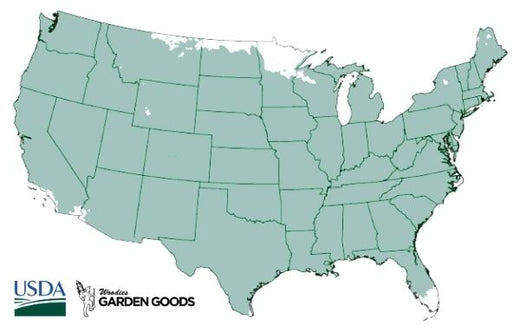
| Hardiness Zone: | 4-9 |
|---|---|
| Mature Height: | 6 to 10 Inches |
| Mature Width: | 12 to 18 Inches |
| Bloom Time / Color | Spring; airy white flower spikes |
| Sunlight: | Part shade to full shade |
| Water Requirements: | Moderate; keep evenly moist during establishment and dry periods |
| Soil | Moist, well-drained, humus-rich soil |
| Wildlife Value | Attracts bees and butterflies during bloom |
| Resistance (deer/disease/drought/etc.) | Low-maintenance, semi-evergreen in mild climates, spreading ground cover, best with consistent moisture |
| Landscape Uses | Woodland garden, shade border, ground cover, path edging, container planting, underplanting beneath shrubs and trees |
How to Care for Running Tapestry Foamflower
After purchasing your Running Tapestry Foamflower, be sure to read our recommended care instructions to ensure a happy, healthy plant.

How should I plant Running Tapestry Foamflower?
Plant Running Tapestry Foamflower in part shade to full shade in moist, well-drained soil rich in organic matter. Dig a hole about twice as wide as the root ball and no deeper than the root ball itself, then set the plant so the crown sits level with the surrounding soil. Backfill with native soil, water thoroughly, and add mulch or leaf mold around the base to help hold moisture and keep the root zone cool. This perennial works especially well in woodland gardens, shady borders, and underplantings where the foliage can spread and soften the planting over time.

How often should I water Running Tapestry Foamflower after planting?
Water Running Tapestry Foamflower deeply right after planting, then keep the soil evenly moist during the establishment period. It performs best when the roots and runners do not dry out for long stretches, especially during the first growing season. Once established, continue watering during dry periods to keep the foliage looking fresh and healthy. The plant likes steady moisture but not waterlogged conditions, so the goal is consistent hydration rather than soggy soil.

When should I fertilize Running Tapestry Foamflower?
Running Tapestry Foamflower usually needs very little fertilizer if it is growing in healthy, humus-rich soil. A light topdressing of compost in spring is often enough to support fresh foliage and flower production. Avoid heavy feeding, because overly rich conditions are not necessary for this plant to perform well. In most shade gardens, moisture, organic matter, and steady soil quality matter more than frequent fertilizer applications.

When and how should I prune Running Tapestry Foamflower?
Running Tapestry Foamflower does not need heavy pruning. In late winter or early spring, you can trim away worn or winter-damaged foliage to make room for fresh new growth and to keep the planting looking tidy. After bloom, you can remove spent flower stems for a cleaner look, though this is mainly cosmetic. If the plant spreads farther than desired, you can thin or divide it to keep the colony within bounds.