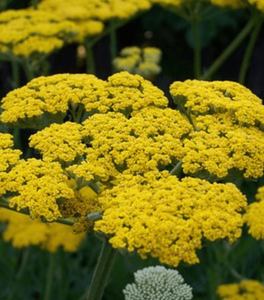
Images Depict Mature Plants
Golden Fleece Goldenrod
Solidago sphacelata ‘Golden Fleece’
Golden Fleece Goldenrod is a great choice when you want goldenrod’s fall color and pollinator value without the height of the larger types. It stays compact enough for the front of a border, handles sunny to lightly shaded spots, and brings a bright yellow finish to the season. For gardeners who want a deer-resistant, drought-tolerant native perennial that fits smaller spaces, this one is easy to recommend.

15% OFF SITEWIDE SALE
Use Code 'PRIMETIME15' At Checkout
📦 Free shipping on orders over $99.
Delay shipping by leaving us a message at Checkout.
Share:

A Compact Goldenrod for Pollinators, Border Edges, and Fall Color
Garden-Friendly Goldenrod in a Smaller, Tidier Form
Golden Fleece Goldenrod is a compact native perennial cultivar that brings the pollinator power and golden fall color of goldenrod into a more manageable garden size. Instead of towering over the border, this shorter selection forms attractive low rosettes of green foliage and sends up golden-yellow flower stems in late summer to fall.
This is a smart goldenrod for gardeners who want native plant value without needing a large meadow or back-of-border space. Its tidy habit, smaller stature, and long-lasting seasonal color make it especially useful in front borders, pollinator gardens, woodland edges, naturalized beds, and smaller sunny or partly sunny landscapes.
Yellow Late-Season Blooms Over Low Green Foliage
Golden Fleece Goldenrod blooms from late summer into fall, producing sprays of tiny golden-yellow flowers on upright branching stems. The flowers add a bright seasonal glow as many summer perennials begin to wind down, helping the garden transition into autumn with warmth and movement.
When not in bloom, the plant still contributes attractive foliage texture. Its low rosettes of toothed, heart-shaped green leaves can create a mat-like effect, giving the plant more value than a short bloom window alone. This combination of low foliage and golden flower stems makes Golden Fleece useful as both a seasonal bloomer and a textural native perennial.
Ideal for Front Borders, Pollinator Gardens, and Small Spaces
Golden Fleece Goldenrod is easier to place than many taller goldenrods because it stays compact. Use it near the front of sunny borders, along pathways, in native plant gardens, at woodland edges, in pollinator beds, or in naturalized areas where a shorter goldenrod is preferred. It can also work in larger containers where drainage is good, and the plant has room to fill out.
Planting Golden Fleece in groups creates a stronger yellow-flower display and a more noticeable draw for pollinators. It pairs beautifully with asters, coneflowers, Black Eyed Susans, sedums, ornamental grasses, woodland phlox, and other native-style perennials that extend the garden’s color and wildlife value.
Pollinator Friendly, Deer Resistant, and Drought Tolerant Once Established
Golden Fleece Goldenrod is excellent for late-season pollinators. Its yellow flowers attract bees, butterflies, and other beneficial insects during a critical time of year when many earlier-blooming perennials are fading. This makes it a strong choice for gardeners who want a more active, wildlife-friendly landscape.
This goldenrod is also generally considered deer-resistant and drought-tolerant once established. It handles average to dry conditions well when planted in suitable soil, and its native background gives it dependable resilience in low-maintenance gardens. Deer resistance can vary by pressure, but Golden Fleece is a practical, lower-risk choice for sunny or lightly shaded perennial beds.
Easy Care with Sun, Drainage, and Occasional Division
Plant Golden Fleece Goldenrod in full sun to part shade. Full sun usually produces the heaviest flowering, while partial shade can be useful at woodland edges or in naturalized plantings. Well-drained soil is important, though the plant is adaptable once established and can handle average garden conditions.
Water regularly during the first growing season to help roots establish, then reduce watering as the plant settles in. Avoid heavy fertilizing, which can encourage soft growth. Cut old stems back in late winter or early spring, and divide clumps every few years if they become too wide or need refreshing.
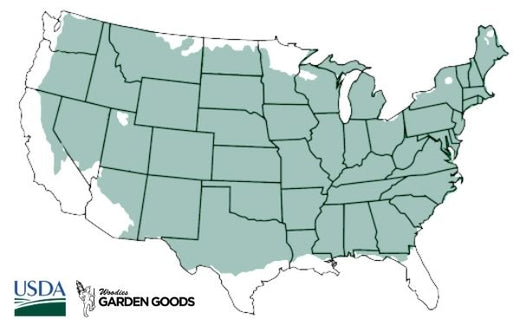
| Hardiness Zone: | 4-8 |
|---|---|
| Mature Height: | 12 to 18 Inches |
| Mature Width: | 24 to 30 Inches |
| Sunlight: | Full sun to part shade; best flowering in full sun |
| Soil | Average, dry to medium, rocky, or well-drained soil; adaptable once established |
| Water | Water regularly after planting; drought tolerant once established |
| Bloom Time / Color | Late summer to fall; golden-yellow flower sprays |
| Ornamental Features | Compact goldenrod habit, yellow fall flowers, low leafy groundcover texture, native garden appeal |
| Wildlife Value | Attracts bees, butterflies, and beneficial pollinators |
| Resistance | Generally deer resistant; drought tolerant once established; tolerant of average to dry soils |
| Landscape Uses | Front borders, pollinator gardens, native plant gardens, woodland edges, meadow edges, naturalized beds, containers, small-space gardens |
How to Care for Golden Fleece Goldenrod
Be sure to read our planting instructions to ensure a healthy and happy Golden Fleece Goldenrod for years to come!

How should I plant Golden Fleece Goldenrod?
Plant Golden Fleece Goldenrod in full sun to part shade with well-drained soil. Full sun usually gives the best flower display, while part shade can work well along woodland edges or in naturalized garden settings. Choose a location where the plant has room to spread into a compact clump. Dig a hole about as wide as the root ball and just as deep. Set the crown level with the surrounding soil, backfill gently, and water thoroughly. Space plants about 18–24 inches apart for a fuller planting, or give them more room if you want each clump to develop individually.

How often should I water Golden Fleece Goldenrod after planting?
Water Golden Fleece Goldenrod deeply after planting, then keep the soil evenly moist while roots establish. During the first growing season, water when the top few inches of soil feel dry, especially during hot or windy weather. Once established, Golden Fleece Goldenrod is drought-tolerant and usually needs less supplemental water in the ground. It performs best in average to dry, well-drained soil and does not need constantly wet conditions. Container-grown plants may need more frequent watering.

When should I fertilize Golden Fleece Goldenrod?
Golden Fleece Goldenrod usually needs little fertilizer. In average garden soil, a light layer of compost in spring is often enough to support healthy growth and flowering. Avoid heavy feeding or high-nitrogen fertilizer. Too much fertility can encourage soft growth and may reduce the tidy, compact habit that makes this goldenrod so useful in smaller garden spaces.ince this plant can flourish in almost any soil condition, fertilization is not necessary. If you think your plant needs a boost, a well-balanced, organic compost can be applied in the spring to give it some nutrients. Be careful, because fertilizing with chemical mixes can cause over fertilization which can be detrimental.

When and how should I prune Golden Fleece Goldenrod?
Prune Golden Fleece Goldenrod in late winter or early spring by cutting old flower stems back close to the ground before new growth begins. Leaving stems standing into winter can add texture and provide some habitat value, while spring cleanup keeps the planting neat. If plants spread beyond their intended space, divide clumps in spring or fall and replant only the sections you want to keep. Deadheading after bloom can reduce self-seeding and help maintain a tidier appearance in more managed beds.