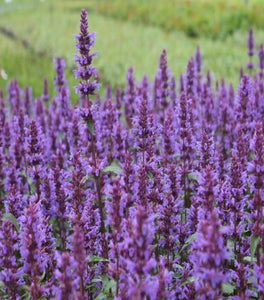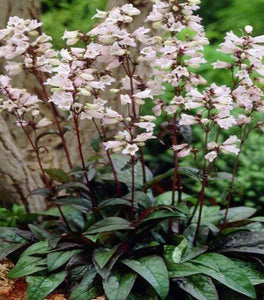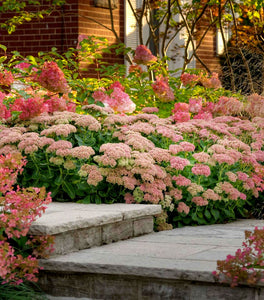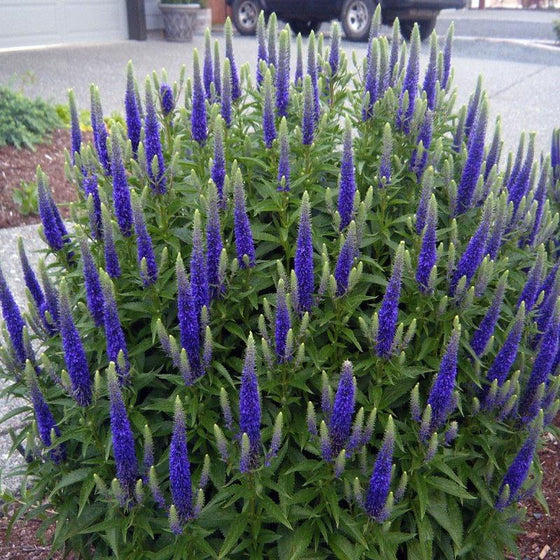

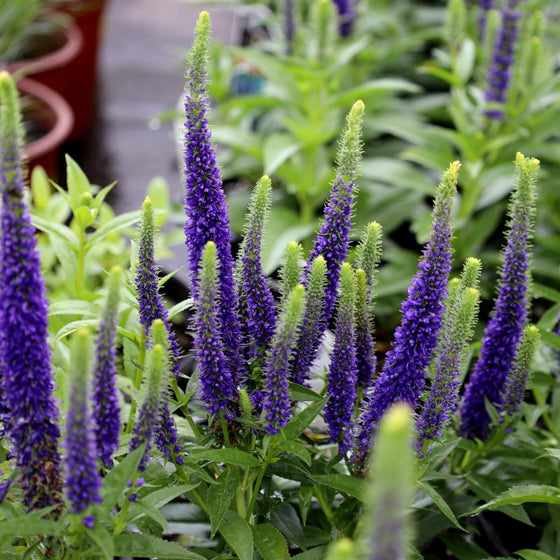
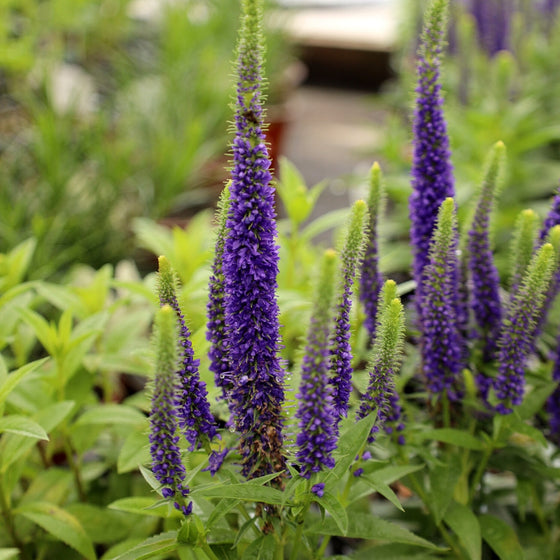
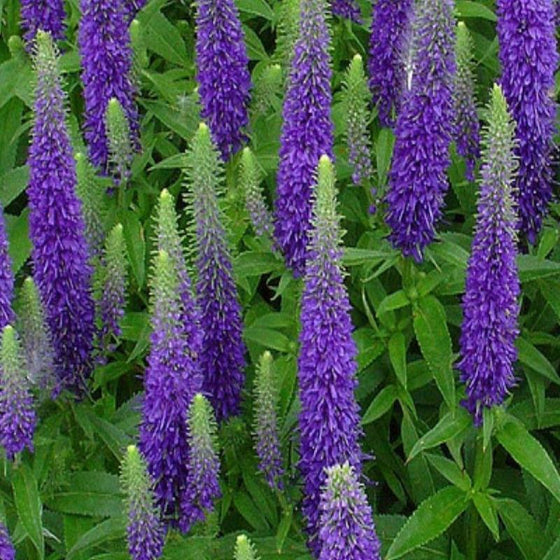


Images Depict Mature Plants
Royal Candles Veronica
Veronica spicata ‘Glory’ ROYAL CANDLES
Royal Candles Veronica is a great choice when you want strong blue-purple flower spikes in a compact, easy-to-place perennial. It is tidy enough for front borders and containers, yet colorful enough to support pollinator planting. Give it full sun, decent moisture, and a quick deadhead after the first flush, and it will keep your sunny beds looking sharp.

15% OFF SITEWIDE SALE
Use Code 'PRIMETIME15' At Checkout
📦 Free shipping on orders over $99.
Delay shipping by leaving us a message at Checkout.
Share:Recommended Add-Ons


A Compact Blue-Purple Speedwell with Upright Summer Flower Spikes
Deep Blue-Purple Flower Spikes on a Tidy Perennial
Royal Candles Veronica is a compact spiked speedwell grown for its upright blue-purple flower spikes, tidy green foliage, and long-lasting summer color. The dense bloom spikes rise above a low mound of foliage, creating a clean vertical accent that looks especially sharp near the front of sunny borders and mixed perennial beds.
This cultivar delivers strong color without taking up much space. Its compact habit makes it easy to use in smaller gardens, cottage plantings, pollinator beds, foundation borders, and containers. The flower spikes create a candle-like effect, giving the plant both color and structure during the summer season.
Long-Lasting Blooms That Bring Pollinators In
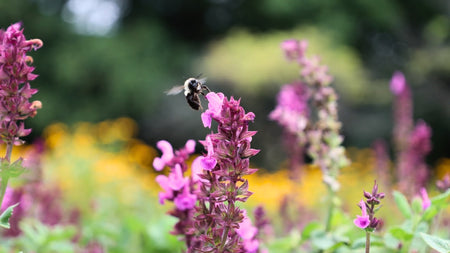
Royal Candles Veronica blooms in summer with deep blue to violet-blue flower spikes that attract butterflies, bees, hummingbirds, and other beneficial pollinators. The upright flowers provide a strong nectar source while adding crisp color to sunny plantings.
Deadheading spent flower spikes can encourage additional bloom and keep the plant looking tidy. This makes Royal Candles especially useful in high-visibility areas like walkway edges, patios, front borders, and entry gardens where a clean, colorful perennial is needed for more than just a short bloom window.
Perfect for Front Borders, Containers, and Pollinator Gardens
Royal Candles Veronica works beautifully in full sun perennial borders, butterfly gardens, pollinator beds, cottage gardens, rock gardens, mass plantings, and containers. Its moderate size makes it especially useful near the front or middle of a planting where its flower spikes can stand out without blocking taller plants.
Pair it with coneflowers, Black Eyed Susans, salvia, catmint, yarrow, coreopsis, lavender, Shasta daisies, sedum, and ornamental grasses. Its blue-purple flowers blend well with yellow, white, pink, purple, silver, and burgundy planting combinations.
Deer Resistant, Rabbit Resistant, and Low Maintenance
Royal Candles Veronica is generally considered deer-resistant and rabbit-resistant, making it a smart choice for sunny landscapes where browsing pressure can be a concern. Deer and rabbit resistance can vary by location, but speedwell is usually a lower-risk perennial compared with many softer flowering plants.
This perennial is also low-maintenance when planted in the right conditions. It prefers full sun, good airflow, and well-drained soil with consistent moisture. Once established, it can withstand some dry periods, but it flowers best when not left overly dry for long stretches.
Easy Care with Sun, Drainage, and Deadheading
Plant Royal Candles Veronica in full sun with average, well-drained soil. Consistent moisture supports optimal bloom performance, but drainage remains important, especially in winter. In hot southern climates, a little afternoon shade can help reduce stress.
Water regularly after planting until the roots establish, then water during extended dry spells. Remove spent flower spikes to encourage rebloom and keep the plant neat. After the main bloom period, shearing lightly back toward the basal foliage can refresh the plant and encourage a cleaner late-season appearance.
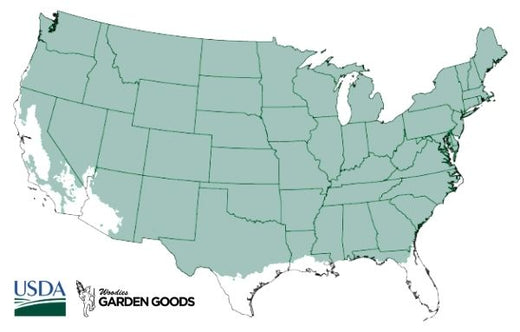
| Hardiness Zone: | 3-8 |
|---|---|
| Mature Height: | 10 to 18 Inches |
| Mature Width: | 12 to 18 Inches |
| Sunlight: | Full sun; light afternoon shade may help in hot southern climates |
| Soil | Average, medium-moisture, well-drained soil |
| Water | Water regularly after planting; prefers consistent moisture; moderately drought tolerant once established |
| Bloom Time / Color | Late spring to summer; deep blue-purple to violet-blue flower spikes |
| Ornamental Features | Compact habit, upright blue-purple flower spikes, long bloom season, tidy foliage, vertical texture |
| Wildlife Value | Attracts butterflies, bees, hummingbirds, and beneficial pollinators |
| Resistance | Generally deer resistant and rabbit resistant; low maintenance; moderately drought tolerant once established |
| Landscape Uses | Front borders, pollinator gardens, butterfly gardens, cottage gardens, containers, rock gardens, mass plantings, cut flower gardens, foundation beds |
How to Care for Royal Candles Veronica
Be sure to read our planting instructions to ensure a healthy and happy Royal Candles Veronica plant for years to come!
-v1781617072271.png?92x91)
How should I plant Royal Candles Veronica?
Plant Royal Candles Veronica in full sun with well-drained soil. Choose a location that receives at least 6 hours of direct sunlight each day for the strongest flowering and most compact habit. In hot southern climates, light afternoon shade can help reduce stress. Dig a hole about as wide as the root ball and just as deep. Set the crown level with the surrounding soil, backfill gently, and water thoroughly. Space plants about 12–15 inches apart for a full planting or slightly farther apart in mixed perennial borders.
-v1781617101424.png?89x84)
How often should I water Royal Candles Veronica after planting?
Water Royal Candles Veronica deeply after planting, then keep the soil evenly moist while roots establish. During the first growing season, water when the top few inches of soil feel dry, especially during hot or windy weather. Established plants can tolerate some dry periods, but they flower best with consistent moisture. Avoid soggy soil, especially in winter, because good drainage helps maintain a healthy crown.
-v1781617114907.png?90x89)
When should I fertilize Royal Candles Veronica?
Royal Candles Veronica usually needs only light feeding. In average garden soil, a spring application of compost or a mild slow-release fertilizer is enough to support healthy growth and flowering. Avoid heavy high-nitrogen fertilizer, which can encourage soft foliage growth instead of sturdy flower spikes. Good sun, moisture, drainage, and deadheading are more important than frequent feeding.

When and how should I prune Royal Candles Veronica?
Prune Royal Candles Veronica by removing spent flower spikes after bloom. Deadheading keeps the plant tidy and can encourage additional flowering. After the main bloom period, shear the plant lightly back toward the basal foliage if it looks tired. In late winter or early spring, remove old stems and foliage before new growth begins.