

Images Depict Mature Plants
Sinonome Toad Lily
Tricyrtis 'Sinonome'
Sinonome Toad Lily is a great pick when a shade garden needs something special late in the season. The spotted orchid-like flowers are unusual, the upright stems add height among hostas and ferns, and the plant handles woodland-style beds beautifully when the soil stays moist. Keep it out of hot dry sun, mulch it lightly, and plant it where you can enjoy the flowers up close.

15% OFF SITEWIDE SALE
Use Code 'PRIMETIME15' At Checkout
📦 Free shipping on orders over $99.
Delay shipping by leaving us a message at Checkout.
Share:Recommended Add-Ons


A Late-Blooming Shade Perennial with Orchid-Like Spotted Flowers
Orchid-Like Flowers for the Shade Garden
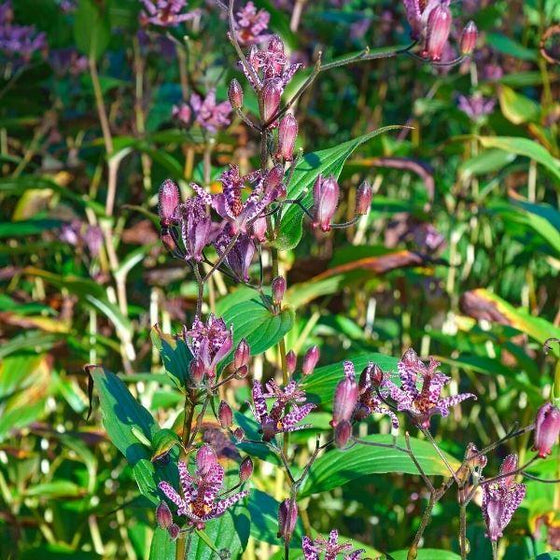
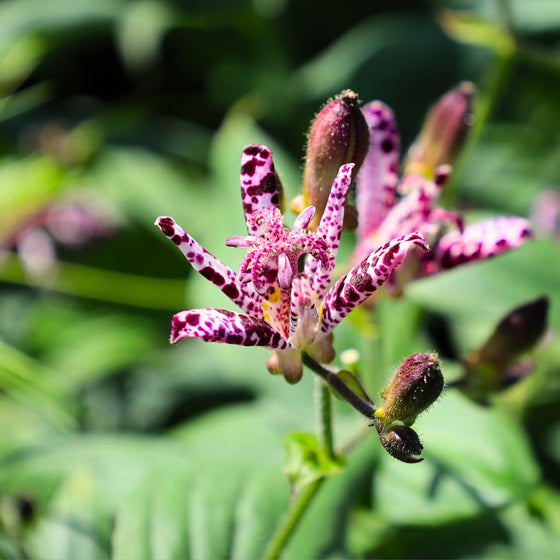
Sinonome Toad Lily is a distinctive shade perennial grown for its exotic-looking, orchid-like flowers and graceful upright habit. In late summer to fall, this Tricyrtis produces small ivory-white blooms marked with burgundy to purple spots, giving shaded garden spaces a rare flower display at a time when many perennials are winding down.
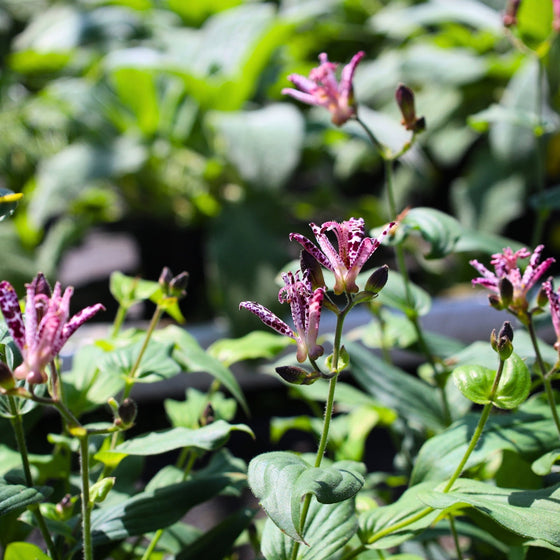
This plant is especially useful for gardeners who want more late-season interest in woodland beds, shade borders, and under-tree plantings. The flowers appear along arching stems above medium green foliage, creating a delicate, layered look that rewards close viewing near paths, patios, and garden seating areas.
Late-Season Blooms When Shade Gardens Need Color
Sinonome Toad Lily brings color into the garden from late summer into fall, helping bridge the gap between summer perennials and autumn foliage. Its spotted flowers may be small, but their unusual markings and orchid-like shape make them stand out in shaded spaces where bold bloom color can be harder to find.
The late bloom window is one of the strongest reasons to plant this perennial. Use it where visitors can see the flowers up close, such as along a shaded walkway, near a bench, beside a woodland path, or at the front or middle of a moist-shade border. The plant’s refined flowers add a collector-quality feel without needing a high-maintenance care routine.
Perfect for Woodland Gardens, Shade Borders, and Moist Beds
Sinonome Toad Lily performs best in part shade to full shade with rich, moist, well-drained soil. It is a natural fit for woodland gardens, north-facing beds, shaded foundation plantings, and protected areas beneath open-canopied trees and shrubs.
Plant it with hostas, ferns, heuchera, hellebores, astilbe, brunnera, foamflower, Japanese forest grass, and other shade-loving perennials. Its upright stems add height and bloom texture among lower foliage plants, while the spotted flowers bring a refined seasonal detail that works beautifully in naturalistic shade designs.
Deer Resistant, Rabbit Resistant, and Best with Consistent Moisture
Sinonome Toad Lily is noted for being deer-resistant and rabbit-resistant, making it a useful choice for shaded gardens where browsing can limit plant options. Deer resistance can vary by location and pressure, but this plant is often a lower-risk perennial compared with many tender shade plants.
Moisture is the key to success. Toad lilies prefer soil that stays evenly moist but not soggy. They are not ideal for hot, dry shade unless supplemental watering is provided. Mulching helps conserve soil moisture, cool the root zone, and protect the crown during seasonal temperature swings.
Easy Care with Shade, Mulch, and Spring Cleanup
Plant Sinonome Toad Lily in part shade to full shade with humus-rich, well-drained soil. Add compost or organic matter at planting time to help retain moisture and support healthy root growth. Avoid exposure to direct sunlight, especially in warmer climates.
Water regularly after planting and during dry spells. Apply a light mulch layer around the plant, keeping mulch slightly away from the crown and stems. Cut old stems back in late fall after frost or in early spring before new growth begins. Divide mature clumps in spring if they become crowded.
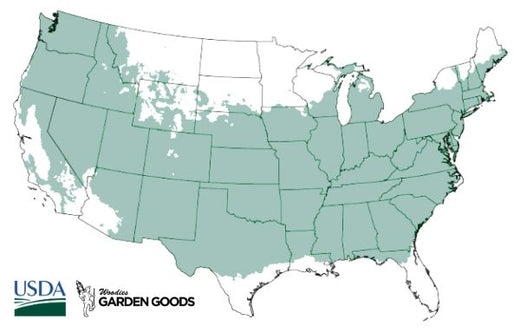
| Hardiness Zone: | 5-8 |
|---|---|
| Mature Height: | 2 to 3 Feet |
| Mature Width: | 1.5 to 2 Feet |
| Soil | Moist, humus-rich, well-drained soil |
| Water | Water regularly after planting; prefers consistent moisture |
| Bloom Time / Color | Late summer to fall; ivory-white flowers with burgundy to purple spotting |
| Ornamental Features | Orchid-like spotted flowers, late-season bloom, vase-shaped habit, woodland texture |
| Wildlife Value | Flowers may attract bees and other beneficial pollinators |
| Resistance | Deer resistant and rabbit resistant; prefers moisture; may be affected by slugs in some gardens |
| Landscape Uses | Woodland gardens, shade borders, part-shade beds, under trees, shaded paths, foundation plantings, naturalized shade gardens |
How to Care for Sinonome Toad Lily
Before you purchase your Sinonome Toad Lily, be sure to read the recommended care instructions to ensure your plant remains happy and healthy for years to come!
-v1781548005920.png?92x91)
How should I plant Sinonome Toad Lily?
Plant Sinonome Toad Lily in part shade to full shade with moist, humus-rich, well-drained soil. Choose a protected location where the plant is sheltered from hot afternoon sun and drying winds. Woodland beds, shaded borders, and under-tree plantings with filtered light are ideal. Dig a hole about as wide as the root ball and just as deep. Set the crown level with the surrounding soil, backfill gently, and water thoroughly. Add compost if the soil is poor, and mulch lightly to help retain moisture while keeping mulch away from the crown.
-v1781548039337.png?89x84)
How often should I water Sinonome Toad Lily after planting?
Water Sinonome Toad Lily deeply after planting, then keep the soil consistently moist while roots establish. During the first growing season, check the soil often and water when the top few inches begin to dry. Established plants still perform best with steady moisture, especially during summer heat and dry fall weather. Avoid letting the soil dry out completely, but do not plant in soggy soil where roots stay wet for long periods.

When should I fertilize Sinonome Toad Lily?
Fertilize Sinonome Toad Lily lightly in spring with compost or a balanced slow-release fertilizer. A yearly layer of compost or leaf mold is often the best way to support healthy growth in woodland-style soil. Avoid heavy feeding, especially with high-nitrogen fertilizer. Too much fertilizer can encourage soft growth. Moisture, organic matter, and shade are more important than frequent fertilizer for long-term success.

When and how should I prune Sinonome Toad Lily?
Prune Sinonome Toad Lily after frost in fall or in early spring before new growth begins. Cut old stems back close to the ground and remove any winter-damaged foliage. During the growing season, remove damaged or yellowing leaves as needed. Deadheading is optional because the plant is grown mainly for late-season flowers and overall woodland texture. Divide clumps in spring if they become crowded.