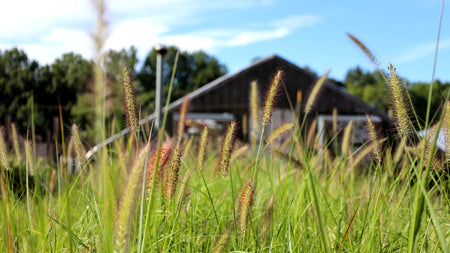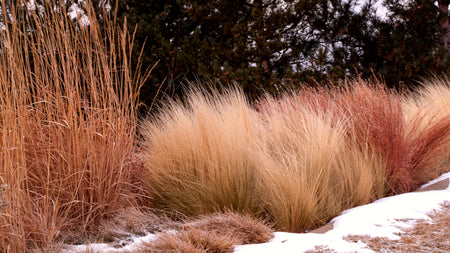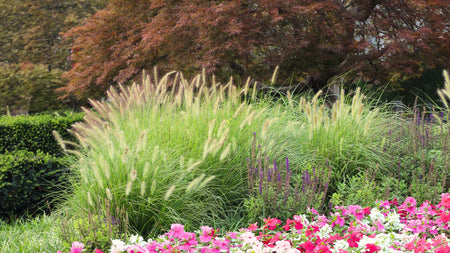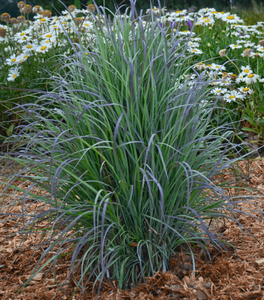


Images Depict Mature Plants
Shenandoah Switchgrass
Panicum virgatum 'Shenandoah'
If you want an ornamental grass that delivers outstanding color without taking over the landscape, Shenandoah Switchgrass deserves a serious look. What gets my attention is how those blue-green leaves start developing burgundy-red tips during the summer, then continue getting darker until the whole plant takes on a beautiful wine-red appearance in fall. That's a lot of seasonal color from a plant that doesn't need flowers to make a statement. I particularly like using Shenandoah in groups along sunny borders or as a repeating accent in front of dark green evergreens. The red foliage creates a great contrast, and its relatively compact, upright growth looks much more organized than some of the larger ornamental grasses. Another feature I appreciate is the airy reddish-pink flower display that develops above the foliage and adds movement without hiding the color underneath. One thing I always recommend is giving Shenandoah plenty of sunlight and avoiding too much fertilizer. Those are two of the best ways to keep the stems strong and the foliage color intense. Once established, it's drought tolerant, generally deer resistant, and remarkably easy to maintain. Leave it standing through winter, cut it back before spring growth begins, and you'll have a beautiful ornamental grass that earns its space in the garden year after year.
$23.96 with code SAVINGS20 at checkout Save $5.99
📦 Free shipping on orders over $99.
Delay shipping by leaving us a message at Checkout.
Share:


Shenandoah Switchgrass – Brilliant Burgundy-Red Foliage and Upright Native Beauty
Shenandoah Switchgrass Brings Brilliant Burgundy-Red Color to Sunny Landscapes
Shenandoah Switchgrass is one of the most colorful ornamental grasses for homeowners who want more than ordinary green foliage in their landscape. This beautiful selection of native Switchgrass produces narrow blue-green leaves that develop attractive burgundy-red tips in early summer, gradually becoming richer and more colorful as the growing season progresses. By autumn, much of the foliage can take on deep wine-red, crimson, and burgundy tones, creating an outstanding display against evergreen shrubs, flowering perennials, and natural stone. Unlike many ornamental grasses that wait until fall to develop noticeable color, Shenandoah brings red into the garden earlier, providing a much longer period of ornamental interest. Its naturally upright growth also makes the color especially noticeable because the foliage remains prominently displayed rather than spreading across the ground.
What makes Shenandoah Switchgrass particularly valuable in landscape design is its ability to combine bold color with a refined, manageable shape. The plant forms an attractive, relatively compact clump that fits comfortably into sunny perennial beds, native gardens, and contemporary landscapes. Its narrow foliage creates movement without appearing overly loose or unstructured, while the changing leaf colors give the plant an entirely different appearance as the seasons progress. Shenandoah also produces delicate reddish-pink flower panicles that rise above the foliage, contributing to its late-season display. For homeowners looking for a red ornamental grass with dependable upright growth and multiple seasons of color, Shenandoah offers an exceptional combination of beauty and versatility.
Blue-Green Summer Foliage Gradually Transforms Into Deep Wine-Red Autumn Color
The changing foliage of Shenandoah Switchgrass is what makes this cultivar so distinctive. When fresh shoots emerge in late spring, the leaves begin with attractive blue-green coloring and a fine, narrow texture. As summer temperatures rise and plants receive strong sunlight, the tips of the leaves develop a burgundy-red coloration. This color gradually expands along the blades, creating an interesting combination of blue-green, red, and purple tones. Under favorable growing conditions, the red color becomes visible by early to midsummer, making Shenandoah one of the earlier-coloring selections of Switchgrass. The contrast between the developing red leaves and remaining green foliage gives the plant a layered appearance that is especially attractive when viewed up close.
By late summer and early fall, Shenandoah becomes a striking display of burgundy, crimson, purple, and deep wine-red foliage. This transformation makes the grass particularly effective when planted near golden flowering perennials, dark green evergreens, and shrubs with contrasting leaf colors. The red foliage creates warmth without relying on showy flowers, making it useful even when neighboring perennials have finished blooming. As colder weather arrives, the foliage gradually transitions toward coppery red, bronze, and tan, maintaining attractive structure after the plant becomes dormant. The intensity of the red coloration varies with sunlight, temperature, and growing conditions, but full sun generally produces the strongest display. For homeowners who appreciate seasonal foliage that changes dramatically from summer into fall, Shenandoah Switchgrass is an outstanding ornamental grass.
Compact Upright Growth Makes Shenandoah Perfect for Borders and Foundation Plantings
Shenandoah Switchgrass develops a strong upright, clump-forming habit that generally reaches approximately 3 to 4 feet tall when flowering stems are included. Its mature spread is usually about 2 to 3 feet in many landscape plantings, although older clumps can become wider under favorable conditions. This makes Shenandoah substantially easier to incorporate into smaller residential landscapes than many tall native grasses. Its vertical growth creates a clean, organized appearance that looks especially attractive near walkways, patios, and foundation beds. Unlike broad, arching ornamental grasses that can crowd adjacent plants, Shenandoah maintains a relatively narrow profile with attractive upright foliage when grown in full sun and moderately fertile soil.
For formal or naturalistic designs, use Shenandoah as a repeating vertical accent along sunny borders, in mixed perennial beds, or near an outdoor seating area. Several plants arranged in a row create a beautiful ribbon of burgundy-red foliage that adds both structure and seasonal color. When creating a mass planting, space individual grasses approximately 24 to 36 inches on-center, adjusting for the desired density and final mature dimensions. The upright growth habit also makes Shenandoah a useful companion for rounded flowering perennials and mounding shrubs, which provide contrasting shapes. Although it can contribute partial seasonal screening, Shenandoah is deciduous and should not be presented as a year-round privacy plant. For homeowners seeking a manageable native ornamental grass that provides height without dominating the garden, its proportions are particularly appealing.
Airy Reddish-Pink Flowers Add Movement and Beautiful Late-Season Texture
Shenandoah Switchgrass offers more than colorful foliage. During midsummer to late summer, the plant produces delicate, airy flower panicles in soft reddish-pink and purplish tones that rise above the upright leaves. These branching flower clusters create a light, almost floating appearance, adding movement as they sway in the breeze. Unlike ornamental grasses with thick bottlebrush-shaped flowers, Switchgrass develops open panicles that allow sunlight and surrounding plants to remain visible through the flowering stems. The reddish flower coloration is particularly attractive against Shenandoah's burgundy foliage, creating a coordinated display of red and pink tones during the late growing season. Depending on climate, flowering generally begins during July or August and continues to provide ornamental interest as seed heads mature.
As the flowers age, they gradually develop tan-to-beige seed heads that can remain attractive through fall and into winter. The mature seed heads add fine texture above the dormant grass, contributing to winter landscape interest. They can also provide food for seed-eating birds, making them useful in wildlife-friendly gardens. I particularly like allowing Shenandoah to remain standing after the first frosts because its upright stems and delicate seed heads create a beautiful silhouette against winter skies and evergreen backgrounds. Unlike flowering perennials that must be cut down immediately after blooming, Shenandoah Switchgrass can remain ornamental long after its growing season has ended. This extended display makes it a valuable addition to gardens designed for year-round interest.
Drought Tolerance and Moist-Soil Adaptability Make Shenandoah Easy to Grow
One of the practical advantages of Shenandoah Switchgrass is its ability to grow in a wide range of soil conditions, making it a versatile choice for many residential landscapes. It performs best in full sun and adapts to clay, loam, sandy soil, and ordinary garden soil, provided the root system can develop properly. Unlike ornamental grasses that require consistently dry conditions, Switchgrass can tolerate moderately moist soil and occasional periods of wetness. Once established, its extensive root system also helps it endure periods of drought, making it useful in landscapes where rainfall varies throughout the season. This adaptability allows Shenandoah to thrive in sunny perennial borders, meadow-style gardens, and some rain-garden environments where moisture levels fluctuate.
Although Shenandoah tolerates diverse soil conditions, full sunlight is important for strong upright growth and the richest foliage coloration. Plants grown in substantial shade may produce more open growth, weaker stems, and less intense red coloring. Extremely fertile soil or excessive nitrogen fertilizer can also encourage soft, floppy growth, so routine heavy feeding is unnecessary. During the first growing season, maintain consistent moisture while the roots establish. After establishment, supplemental watering is usually needed only during prolonged drought or unusually stressful weather. Shenandoah is also generally resistant to deer browsing, although no ornamental grass is completely deer-proof. With adequate sunlight, appropriate watering, and modest soil fertility, this plant provides beautiful seasonal color with relatively little maintenance.
Shenandoah Switchgrass Creates Beautiful Native Gardens and Four-Season Landscapes
Shenandoah Switchgrass is a cultivated selection of Panicum virgatum, a North American native prairie grass that provides valuable structure in wildlife-friendly landscapes. Its upright stems, dense foliage, and persistent seed heads offer shelter and potential food resources for birds and other wildlife. Like other Switchgrass selections, it also contributes to the vegetative habitat used by certain native butterflies and moths. Because the flowers are wind-pollinated, the plant is not a major source of nectar for bees or butterflies, but it can be an important structural component of a diverse native planting. Its clump-forming growth habit makes it suitable for mixed gardens where homeowners want to introduce native grasses without the appearance of a large, unmanaged meadow.
For particularly beautiful combinations, plant Shenandoah alongside Black-Eyed Susans, Purple Coneflowers, Autumn Fire Sedum, Blazing Star, or Little Bluestem. Golden-yellow flowers create a striking contrast with the burgundy-red foliage, while pink and purple flowers complement its cooler red tones. In autumn, the grass looks especially attractive alongside plants with golden leaves, dark evergreens, or late-season-flowering asters. Its upright habit also makes it useful in modern landscape designs, naturalistic borders, and repeated foundation plantings. Leave the dormant foliage and seed heads standing through winter to preserve structure, then cut the old growth back before new shoots appear in spring. For homeowners seeking a colorful native ornamental grass that combines red foliage, seasonal movement, and long-lasting structure, Shenandoah provides exceptional landscape value.
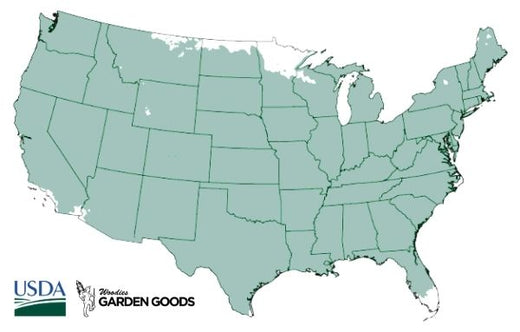
| Hardiness Zone: | 4-9 |
|---|---|
| Mature Height: | Approximately 36–48 inches, including flowering stems |
| Mature Width: | Commonly 24–36 inches; can reach 3–4 feet in favorable conditions |
| Sunlight: | Full sun preferred; tolerates partial shade with potentially reduced color and weaker upright growth |
| Soil | Adaptable to clay, loam, and sandy soil; average to moderately moist or periodically dry; tolerates occasional wet conditions |
| Water Requirements: | Moderate during establishment; low to moderate once established; supplemental irrigation during extended drought |
| Bloom Time / Color | Midsummer to early fall, generally July–September; seed heads persist longer / Reddish-pink to purplish-red, maturing tan or beige |
| Ornamental Features | Blue-green foliage developing burgundy-red tips in summer; deep wine-red autumn foliage; upright habit; airy reddish-pink flowers; persistent winter seed heads |
| Wildlife Value | Seed-eating songbirds, small mammals, skipper butterflies, Common Wood-Nymph butterflies, and ground-dwelling wildlife seeking shelter |
| Resistance (deer/disease/drought/etc.) | Deer, Drought Once Established, Heat, Humidity, Clay Soil, Sandy Soil, Occasional Flooding, Periodic Wet Soil, Erosion, Black Walnut, Urban Pollution; documented cultivar-level Phytophthora resistance |
| Landscape Uses | Sunny perennial borders, native gardens, mass plantings, low seasonal screening, foundation plantings, meadow gardens, prairie plantings, rain gardens, erosion-control plantings, and winter-interest gardens |
How to Care for Shenandoah Switchgrass
Before you buy Shenandoah Switchgrass, make sure to read about the care instructions to keep this plant healthy and thriving.

How should I plant Shenandoah Switchgrass?
Plant Shenandoah Switchgrass in full sun, preferably with at least six hours of direct sunlight daily, to encourage the strongest upright growth and richest burgundy-red coloration. Choose a location with enough room for its mature 3- to 4-foot height and spreading clump. The plant adapts to clay, loam, and sandy soils and can tolerate average, moderately moist, and occasionally dry conditions. Unlike some ornamental grasses that require extremely sharp drainage, Shenandoah can also tolerate periodic wetness. Before planting, remove competing weeds and loosen heavily compacted soil where necessary. Avoid incorporating excessive amounts of fertilizer or nutrient-rich amendments because overly fertile soil can encourage weak, floppy stems. Dig a hole approximately twice as wide as the root ball and no deeper than its height. Remove the plant from its container and gently loosen any circling roots. Position the crown level with or slightly above the surrounding soil surface, then backfill with the original soil. Water thoroughly after planting to settle the soil around the roots. For borders or mass plantings, space Shenandoah Switchgrass approximately 24–36 inches on-center, adjusting for mature width and the desired landscape appearance. Apply a moderate layer of mulch around the root zone, keeping it away from the crown. Spring planting is particularly useful because it gives this warm-season grass time to establish before winter.

How often should I water Shenandoah Switchgrass after planting?
During the first growing season, Shenandoah Switchgrass requires consistent watering while its root system becomes established. Water thoroughly immediately after planting and monitor the root zone regularly, especially during prolonged hot or dry periods. Approximately 1 inch of water per week, including rainfall, can serve as a general starting point for many garden soils, but the actual amount should depend on local temperatures, rainfall, drainage, and plant size. Sandy soils may dry more quickly, while clay soils retain water longer. Deep watering encourages roots to grow into the surrounding soil rather than remaining concentrated near the surface. Avoid allowing newly planted specimens to remain severely dry for extended periods. Once established, Shenandoah Switchgrass becomes tolerant of periodic drought and generally requires less supplemental irrigation. Its extensive root system also allows it to grow in moderately moist soils and tolerate occasional flooding. During extended drought, supplemental watering can help maintain healthy foliage and prevent premature browning, but the plant rarely needs the constant irrigation associated with moisture-loving perennials. Avoid unnecessary watering in locations where the soil remains consistently saturated and poorly aerated. Full sun and appropriate moisture help maintain the cultivar's attractive upright habit and intense foliage color, while overwatering combined with excessive fertility may encourage overly vigorous, less structured growth.

When should I fertilize Shenandoah Switchgrass?
Shenandoah Switchgrass generally requires very little supplemental fertilizer, particularly when growing in ordinary garden soil. In many residential landscapes, established plants can grow successfully without annual feeding. If a soil test reveals a significant nutrient deficiency, apply an appropriate balanced, slow-release fertilizer in spring as new growth begins, following the manufacturer's recommended application rate. The plant naturally tolerates soils with moderate fertility and does not need to be pushed into rapid growth. During establishment, proper watering, sunlight, and root development are far more important than frequent feeding. Avoid excessive nitrogen fertilization, as rich soil and rapid leafy growth can cause Switchgrass stems to weaken or flop outward. This is especially important for Shenandoah, which is valued for its relatively compact, upright appearance. Heavy fertilizer applications can also encourage competing weeds in native gardens and naturalized plantings. If a plant appears weak, examine its sunlight exposure, soil moisture, drainage, and establishment stage before adding nutrients. Healthy Shenandoah Switchgrass normally performs best with moderate fertility, full sun, and minimal routine fertilization, allowing the cultivar to develop its characteristic strong stems and changing red foliage.

When and how should I prune Shenandoah Switchgrass?
Shenandoah Switchgrass is a warm-season perennial grass that becomes dormant during winter. The best time for annual pruning is late winter or early spring before new green shoots emerge from the crown. Many gardeners prefer leaving the dormant stems, foliage, and seed heads standing through fall and winter because they provide attractive bronze and tan texture. The seed heads may also supply food for birds, while the standing clumps offer shelter for small wildlife. There is generally no reason to cut Shenandoah immediately after its summer flowering period. Leaving it standing allows homeowners to enjoy its full seasonal progression. When spring approaches, gather the dry stems and cut the old foliage back to approximately 4–6 inches above the ground, taking care not to injure emerging shoots. Use sharp pruning shears, hedge trimmers, or other appropriate tools depending on the size of the clump. Remove accumulated debris if necessary, especially where winter moisture has caused old stems to collapse around the crown. Established clumps generally do not require frequent division, but oversized plants can be divided in spring as active growth begins. Avoid heavy summer pruning because cutting Shenandoah during active growth can remove developing foliage and flower stems, reducing the distinctive seasonal color display.