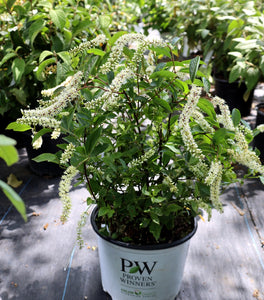
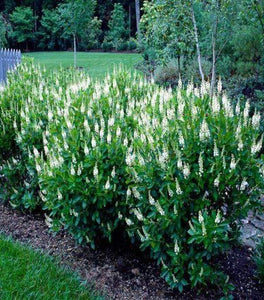
Images Depict Mature Plants
Summer Wine® Ninebark
Physocarpus opulifolius 'Seward' PP14821
Summer Wine is at its best when you let those branches arch instead of trying to turn it into a tight green meatball. The wine-colored leaves give you contrast for most of the growing season, the pale spring flowers brighten the entire plant, and mature stems add peeling bark after the leaves drop. Give it sun and enough room from the beginning. That simple decision will improve the foliage color, reduce pruning and let the shrub develop the graceful shape that makes it worth planting.

15% OFF SITEWIDE, USE CODE 'MIDSUMMER15'
📦 Free shipping on orders over $99.
Delay shipping by leaving us a message at Checkout.
Share:

Wine-Purple Foliage, Spring Flowers and Four-Season Texture
Wine-Purple Leaves Create Months of Bold Landscape Color
Summer Wine® Ninebark brings rich color to the landscape long after spring-flowering shrubs have finished blooming. Its deeply lobed leaves emerge in dark wine-red to purple tones, creating a strong contrast against green evergreens, golden foliage, and brightly colored perennials.
The leaves are smaller and more finely textured than those of many traditional ninebarks. Combined with the shrub’s dense branching, this gives Summer Wine a refined appearance that works equally well in a formal foundation bed or a relaxed native planting.
The darkest leaf color develops in full sun. Plants receiving more shade may display greener or bronzier tones, and foliage can lighten during periods of intense summer heat. Even when the color softens, the shrub continues providing valuable texture and structure.
Summer Wine is deciduous, so it drops its leaves in the fall. Once the foliage is gone, mature stems reveal the peeling bark that gives ninebark its common name and provides subtle winter interest.
Pink Buds and White Flowers Brighten the Dark Foliage
In late spring to early summer, Summer Wine Ninebark produces rounded clusters of small, pinkish-white flowers. Pink buds open against the dark foliage, creating a crisp contrast that makes the bloom appear brighter and more substantial.
The button-like flower clusters resemble those of spirea and are held along the arching branches. Although the foliage is the shrub’s longest-lasting feature, the spring bloom adds a softer layer of color and makes Summer Wine especially attractive in mixed borders.
The flowers provide nectar and pollen for bees, butterflies, and other beneficial insects. As the flowers fade, they can develop into clusters of reddish, inflated seed capsules that extend the shrub’s seasonal interest.
Flowering occurs on stems produced during the previous growing season. Avoid pruning the entire shrub in late winter when preserving the late-spring flower display is a priority.
Graceful Arching Growth for Hedges, Screens and Mixed Borders
Summer Wine Ninebark develops into a dense, multi-stemmed shrub with upright branches that gradually arch outward. A mature plant can reach approximately 5 to 8 feet tall and wide, so it should be given enough room to develop its natural shape.
Use one shrub as a dark-foliage specimen or repeat several plants to form an informal hedge or seasonal privacy screen. Summer Wine also works well at the back of a mixed border, where its wine-purple leaves create a strong background for flowering perennials and smaller shrubs.
The substantial mature size makes it useful for screening patios, defining property lines, and filling broad foundation beds. It is less suitable for narrow spaces beneath low windows unless the homeowner is prepared to prune regularly.
Summer Wine grows quickly under favorable conditions. Allowing adequate space at planting reduces future maintenance and preserves the graceful branching that distinguishes it from tightly sheared hedge plants.
A Native-Rooted Shrub with Wildlife and Winter Value
Summer Wine is a cultivated selection of eastern ninebark, a shrub native to central and eastern North America. It brings the durability and ecological character of the species into the landscape with darker foliage and more compact branching.
The spring flowers can support bees, butterflies, and other pollinating insects. The reddish seed capsules may also provide seasonal interest and potential food for birds and other wildlife.
Older stems develop exfoliating bark that peels in strips, revealing reddish-brown layers beneath. This texture becomes most visible after the leaves fall, giving established shrubs added character during winter.
Summer Wine works naturally in pollinator gardens, native-inspired borders, rain-garden edges, and erosion-control plantings. It can also be used in more conventional foundation beds wherever its mature dimensions are properly accommodated.
Adaptable Care with Minimal Pruning Once Established
Plant Summer Wine Ninebark in full sun for the darkest foliage and strongest flowering. It can grow in partial shade, and some afternoon protection may be beneficial in areas with exceptionally hot summers, but too much shade can result in greener leaves and a looser habit.
This adaptable shrub accepts clay, loam, sandy, and shallow rocky soils as long as excess water can drain away. It performs well in average soil and tolerates both acidic and alkaline conditions.
Water regularly during the first growing season to establish a deep root system. Mature plants tolerate occasional drought, but prolonged dryness can cause stress or premature leaf drop. A light layer of mulch helps moderate soil moisture without keeping the crown wet.
Pruning is rarely necessary when Summer Wine has enough space. For light shaping, prune immediately after flowering. Older shrubs can be renewed by removing several of the oldest stems at ground level. Powdery mildew can still occur in crowded or humid conditions, so proper spacing and air circulation remain important.
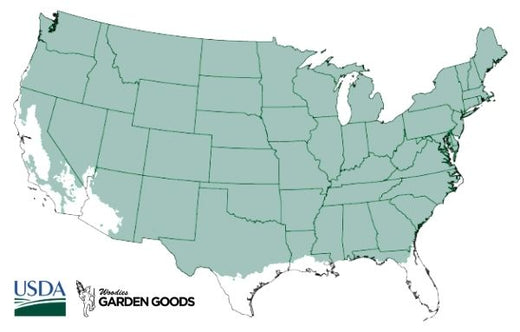
| Hardiness Zone: | 3-8 |
|---|---|
| Mature Height: | 5 to 8 feet |
| Mature Width: | 5 to 8 feet |
| Sunlight: | Full sun to partial shade; full sun produces the darkest foliage |
| Soil | Adaptable to clay, loam, sand and shallow rocky soil; good drainage is important |
| Water | Average; water consistently during establishment and during prolonged drought |
| Bloom Time / Color | Late spring to early summer; pink buds open into pinkish-white to white flower clusters |
| Foliage: | Deeply lobed wine-red, burgundy to purple leaves; color may become greener in shade or intense heat |
| Ornamental Features | Wine-purple foliage; contrasting spring flowers; arching branches; reddish seed capsules; exfoliating winter bark |
| Wildlife Value | Flowers support bees, butterflies and other pollinating insects; seed capsules may provide wildlife interest |
| Resistance | Good powdery mildew resistance; tolerant of drought, heat, clay and soil compaction once established; generally considered relatively deer resistant |
| Uses: | Informal hedges; seasonal privacy screens; mixed borders; foundation beds; mass plantings; native gardens; pollinator gardens; slopes; erosion control |
How to Care for Summer Wine® Ninebark
Be sure to read our planting instructions to ensure a healthy and happy Summer Wine Ninebark for years to come!
-v1785767746930.png?92x91)
How should I plant Summer Wine Ninebark?
Choose a location with full sun to partial shade and enough open space for a shrub that may reach 5 to 8 feet tall and wide. Dig a hole approximately twice as wide as the root ball but no deeper. Set the shrub so the top of the root ball is level with or slightly above the surrounding soil. Backfill with the loosened native soil, water deeply and add two to three inches of mulch over the root zone. Keep the mulch several inches away from the base of the stems. Space multiple plants approximately 6 to 8 feet apart for an informal hedge or broad mass planting.
-v1785767798890.png?89x84)
How often should I water Summer Wine Ninebark after planting?
Water deeply immediately after planting and keep the root zone evenly moist during the first growing season. Check the soil several times per week during hot weather and water when the upper two inches begin to dry. Once established, Summer Wine tolerates occasional dry conditions and generally needs less supplemental water. Continue to provide a deep soaking during prolonged drought, especially in exposed full-sun sites. Avoid frequent shallow watering and permanently saturated soil.
-v1785767823387.png?90x89)
When should I fertilize Summer Wine Ninebark?
Apply compost or a balanced slow-release shrub fertilizer in early spring as new growth begins. Follow the fertilizer label carefully and avoid applying more than the recommended amount. Ninebark is not a heavy feeder and often performs well without annual fertilization in average soil. Excess nitrogen can produce overly soft growth, reduce foliage color and increase susceptibility to powdery mildew.

When and how should I prune or cut back Summer Wine Ninebark?
Prune Summer Wine immediately after flowering when light shaping or size reduction is needed. Selectively shorten overlong branches and remove damaged, crossing or poorly positioned stems. Avoid repeated shearing, which hides the shrub’s naturally arching form. For renewal, remove up to one-third of the oldest stems at ground level while the plant is dormant. A severely overgrown shrub can be cut close to the ground in early spring, but doing so removes that season’s flowers because Summer Wine blooms on old wood.