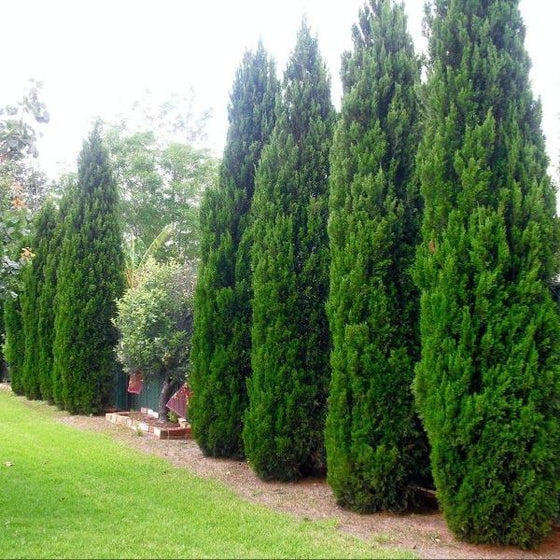


Images Depict Mature Plants
Spartan Juniper
Juniperus chinensis 'Spartan'
Spartan Juniper is one of those evergreens I reach for when a landscape needs height, privacy, and clean structure without sacrificing much width. It has that strong, narrow habit homeowners are usually hoping for, and the dark green foliage keeps it looking rich and substantial all year. I especially like it for side-yard screening, entry framing, and anywhere you want an evergreen that feels dependable, polished, and easy to place.

15% OFF SITEWIDE SALE
Use Code 'PRIMETIME15' At Checkout
📦 Free shipping on orders over $99.
Delay shipping by leaving us a message at Checkout.
Share:


Narrow Evergreen Privacy with Strong Vertical Structure
Tall upright form for privacy without wasting width
Spartan Juniper is one of the best evergreen choices for homeowners who want meaningful privacy without sacrificing much planting space. Its naturally upright, columnar habit gives the landscape height, structure, and screening value while staying much narrower than many other privacy evergreens. That makes it especially useful along property lines, side yards, driveways, and foundation corners where a broader plant would quickly begin to crowd walkways, windows, or neighboring shrubs. In smaller residential landscapes, that narrow footprint is often the difference between a plant that solves a problem and one that creates a new one.
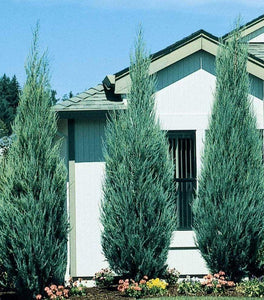
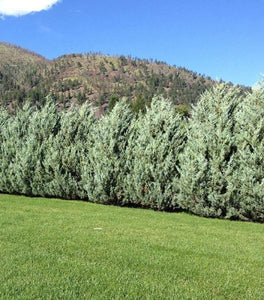
That strong vertical habit also gives Spartan Juniper real design value beyond simple screening. It can be planted in a row for a tight evergreen privacy wall, used in pairs to frame an entry, or placed as repeated accents to create rhythm along a border. The shape feels clean and architectural, but still natural enough to work in traditional, formal, and more relaxed landscape styles. For gardeners who want height and evergreen presence without a bulky footprint, this is one of the most dependable options available.
Rich dark green foliage that holds through every season
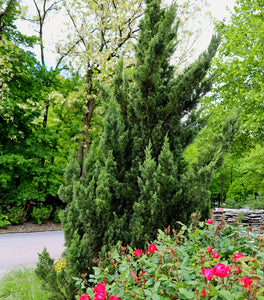
The foliage on Spartan Juniper is dense, dark green, and attractive year-round, which is a big part of its appeal as both a privacy plant and a specimen accent. That consistent evergreen color helps the landscape feel grounded in every season, whether the plant is acting as a summer screen, a winter anchor, or a backdrop for flowering shrubs and ornamental grasses. The darker tone gives it a richer look than lighter evergreens and helps it stand out against stone, mulch, deciduous foliage, and perennial color.
Because the branching stays tight and tidy, Spartan Juniper looks full without demanding constant shaping. That dense growth helps the plant read as polished and intentional, even when left mostly natural. It pairs well with boxwoods, grasses, flowering shrubs, and more formal foundation plantings, as it adds depth and contrast without visual clutter. Homeowners who want a privacy evergreen that feels substantial, refined, and easy to fit into many different landscape styles often find this variety especially useful.
A versatile evergreen for screens, windbreaks, and formal accents
Spartan Juniper is often planted for privacy, but its usefulness goes well beyond a basic screen. It makes an excellent windbreak, property divider, formal accent, or vertical focal point in places where homeowners need height without too much spread. Its slim footprint makes it particularly valuable on tighter lots and in planting beds where every foot matters. Where some evergreens can feel too broad or heavy, Spartan Juniper stays disciplined and upright, which keeps the overall design cleaner and easier to manage.
It is also a smart option for entry framing and larger containers because its natural shape is already strong and symmetrical. In matched pairs, it adds a formal, welcoming look near driveways, porches, and gates. In rows, it creates a softer alternative to fencing while still giving real screening value. This combination of ornamental structure and practical performance is exactly why Spartan Juniper remains such a strong choice for gardeners who want one plant to solve multiple design needs at once.
Dependable performance in the sun with simple long-term care
Spartan Juniper performs best in full sun and well-drained soil, where it develops dense branching and strong evergreen color. Once established, it is notably tolerant of heat, cold, and periods of drought, which makes it an excellent long-term option for homeowners who want an evergreen that looks polished without becoming high maintenance. It is especially useful on sites where a tougher privacy plant is needed and where wetter, softer-textured evergreens may struggle over time.
It also requires very little pruning compared with many screening plants, as its natural form is already neat and upright. Light shaping can be done when needed, but most of the time, the best result comes from letting the plant hold its own clean silhouette. With proper siting, establishment watering, and occasional maintenance, Spartan Juniper offers years of dependable evergreen coverage and vertical structure. For homeowners who want a privacy plant that is handsome, durable, and easy to live with, it is a very strong choice.


| Botanical Name | Juniperus chinensis ‘Spartan’ |
|---|---|
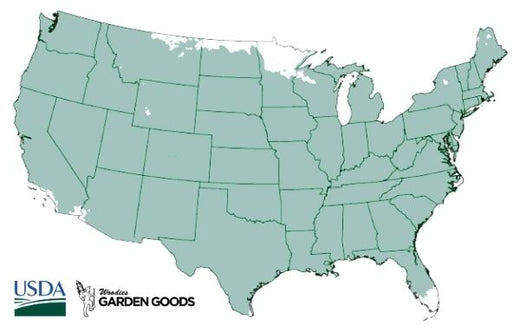
| Hardiness Zone: | 4-9 |
| Mature Height: | 15 to 20 Feet |
| Mature width: | 4 to 5 Feet |
| Sunlight: | Full Sun |
| Bloom Time / Color | Non-flowering; grown for dark green evergreen foliage |
| Soil Condition: | Well-drained soil; adaptable to many average soils, avoid wet sites |
| Water Require: | Regular water during establishment; drought tolerant once established |
| Wildlife Value | Provides bird cover and year-round shelter |
| Resistance (deer/disease/drought/etc.) | Deer resistant, rabbit resistant, drought tolerant, heat tolerant, cold tolerant |
| Landscape Uses | Privacy screen, windbreak, formal accent, entry framing, narrow evergreen hedge, containers |
How to Care for Spartan Juniper
Before you buy a Spartan Juniper Tree, make sure to read about the recommended care instructions to keep this plant healthy and flourishing.

How should I plant Spartan Juniper?
Plant Spartan Juniper in full sun in a site with well-drained soil and enough vertical room for the plant to mature comfortably. Dig a hole two to three times wider than the root ball and no deeper than the root ball itself, then set the plant so the top of the root ball sits level with the surrounding soil before backfilling with the native soil. Water thoroughly after planting, then add mulch around the base to help hold moisture and reduce weed competition, keeping mulch away from direct contact with the trunk. If you are planting Spartan Juniper as a screen, plan for mature spacing so the plants can fill in naturally without becoming overcrowded or requiring constant pruning later.

How often should I water Spartan Juniper after planting?
Water Spartan Juniper deeply and regularly during the first growing season so it can establish a strong root system. In most landscapes, that means watering once or twice a week depending on rainfall, soil type, and heat, with the goal of keeping the soil evenly moist but never soggy. After establishment, Spartan Juniper becomes much more drought tolerant and usually needs supplemental watering only during extended dry periods. Deep watering is better than frequent shallow watering because it encourages stronger roots and helps the plant become more resilient in hot, dry conditions.

When should I fertilize Spartan Juniper?
Fertilize Spartan Juniper lightly in early spring before new growth begins if it needs support. A balanced slow-release fertilizer for evergreens or a light application of compost is usually enough to encourage healthy color and steady growth. Heavy feeding is usually unnecessary and can push softer growth that is less desirable on a plant valued for tidy structure. In most landscapes, a modest yearly feeding is enough to keep Spartan Juniper healthy, dense, and attractive.

When and how should I prune Spartan Juniper?
Prune Spartan Juniper lightly in late winter or early spring if shaping is needed. Remove any dead or damaged growth and clip stray shoots only enough to preserve the natural upright form, especially if you want a tighter column or a more tailored look. This plant rarely needs heavy pruning because its natural shape is already symmetrical and refined. Minimal shaping usually gives the best result, helping the plant stay dense and polished without forcing it into an artificial or overly sheared appearance.