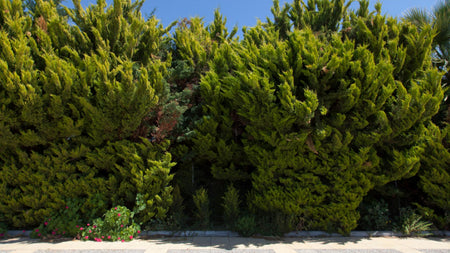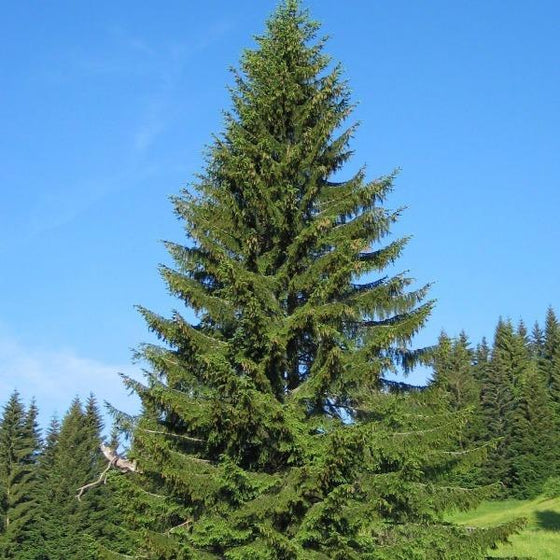
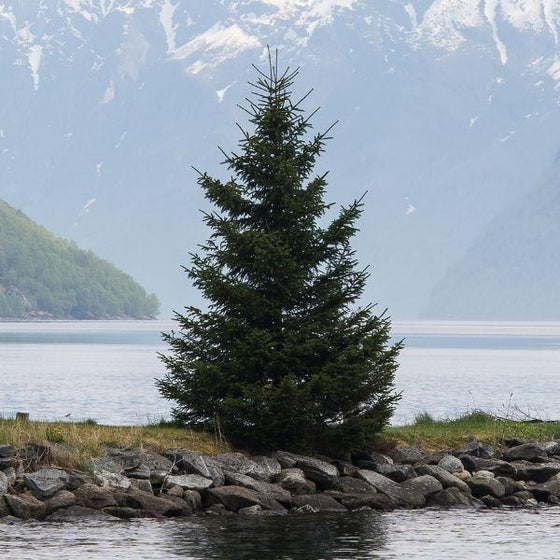

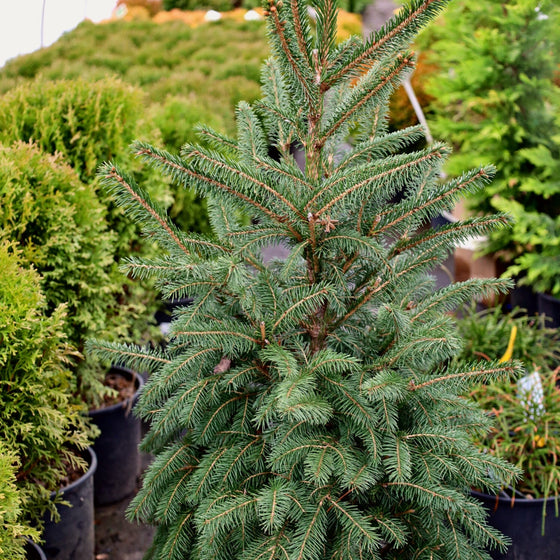
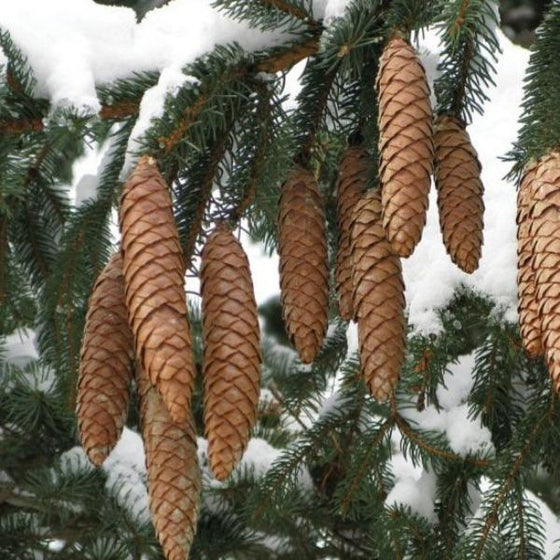


Images Depict Mature Plants
Norway Spruce
Picea abies
Norway Spruce is one of those trees I think of when a landscape needs to do some real work. It grows fast, stays evergreen, and has the kind of size and presence that can turn an open property line into a genuine screen over time. I especially like it for windbreaks, larger privacy rows, and big open spaces where homeowners want something durable, classic, and useful year-round.

15% OFF SITEWIDE SALE
Use Code 'PRIMETIME15' At Checkout
📦 Free shipping on orders over $99.
Delay shipping by leaving us a message at Checkout.
Share:


Fast Evergreen Privacy and Windbreak Strength for Large Landscapes
Fast growth that builds real privacy over time
Norway Spruce is one of the most dependable choices for homeowners who want an evergreen privacy tree that grows with purpose. Its naturally pyramidal shape, dense branching, and strong central form help it create a substantial visual screen much faster than many slower evergreen options. When planted in rows, it quickly softens property lines, blocks unwanted views, and creates a stronger sense of enclosure across larger landscapes.
That speed matters because privacy planting is usually a long-term investment. Gardeners do not just want an evergreen tree that looks good today. They want one that will continue to grow in height, density, and usefulness over the years. Norway Spruce answers that need especially well on larger properties, rural edges, open backyards, and broad boundary lines where a taller evergreen screen makes more sense than a low hedge or smaller ornamental tree.
Classic evergreen form with year-round structure and character
Norway Spruce has the classic conifer silhouette people recognize instantly. When young, it is strongly pyramidal and dense, with dark green needles that retain their color year-round. As it matures, the secondary branchlets become gracefully pendulous, which gives the tree a softer, more elegant appearance than many rigid evergreens. That mature branching habit adds visual character and keeps the tree from feeling overly stiff or formal.
Because it stays evergreen, it continues to do its job year-round. In summer it creates depth and screening, in fall it serves as a dark green backdrop for changing foliage, and in winter it becomes a major structural anchor in the landscape. That year-round presence is one of its biggest strengths. Homeowners who want a tree that contributes every month of the year, rather than only during one bloom season, often find Norway Spruce to be an especially satisfying choice.
A powerful fit for windbreaks, shelterbelts, and large property lines
Norway Spruce is especially effective where function matters just as much as beauty. It has long been valued as a windbreak tree because its dense evergreen branching can help reduce wind exposure, soften winter conditions, and buffer open sites. It also works well as a sound-reducing screen along roads or along neighboring properties, particularly where there is enough space to let the trees develop naturally rather than forcing them into overly tight quarters.
This is not a tree for tiny foundation beds or cramped side yards. It is a plant for larger-scale thinking. It belongs in open lawns, acreage plantings, perimeter rows, woodland transitions, and broad screens where its mature size can become an asset rather than a problem. For gardeners with enough room, Norway Spruce offers a combination of speed, durability, and evergreen substance that is difficult to beat.
Cold-hardy performance with low-maintenance long-term value
Norway Spruce performs best in full sun and in reasonably moist, well-drained soil, especially in cooler climates where summer heat is less intense. Once established, it becomes a durable, low-maintenance evergreen that generally needs very little intervention beyond establishment watering and occasional cleanup pruning. It is especially valuable in northern and temperate regions where cold hardiness and winter performance are major priorities.
Its easy-care character is part of its appeal. This is not a fussy specimen that needs constant shaping to stay attractive. Given enough room and appropriate siting, it naturally develops into a handsome, durable tree that provides screening, habitat value, and structural beauty for decades. For homeowners who want to plant once and gain long-term evergreen impact, Norway Spruce remains one of the best large-scale conifers available.
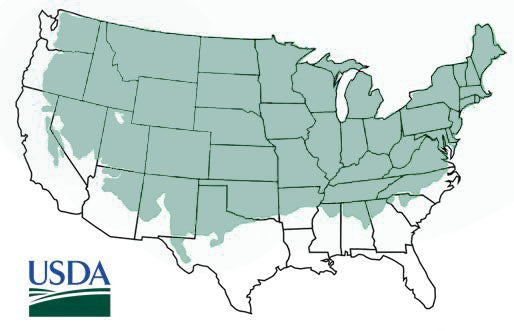
| Hardiness Zone: | 2-7 |
|---|---|
| Mature Height: | 40 - 60 Feet |
| Mature Width: | 25 to 30 Feet |
| Sunlight: | Full sun |
| Bloom Time / Color | Non-flowering; grown for evergreen needles and pendulous cones |
| Soil Condition: | Average to rich, acidic, evenly moist, well-drained soil |
| Water Requirements: | Medium water; regular deep watering during establishment |
| Wildlife Value | Provides bird cover, shelter, and year-round habitat structure |
| Resistance (deer/disease/drought/etc.) | Deer tolerant, urban tolerant, somewhat drought tolerant once established |
| Landscape Uses | Privacy screen, windbreak, sound buffer, large specimen, shelterbelt, woodland edge |
How to Care for Norway Spruce
Before you buy a Norway Spruce Tree, make sure to read about the recommended care instructions to keep this plant healthy and thriving.

How should I plant Norway Spruce?
Plant Norway Spruce in full sun in a site with enough room for a large mature evergreen tree. Dig a hole two to three times wider than the root ball and no deeper than the root ball itself, then set the tree so the top of the root ball sits level with the surrounding soil before backfilling with the native soil. Water thoroughly after planting to settle the soil, then add mulch around the base to help conserve moisture and moderate soil temperature, keeping mulch away from direct contact with the trunk. When planting for privacy or windbreak use, think in terms of mature spacing from the beginning so the row can fill in without becoming overcrowded over time.

How often should I water Norway Spruce after planting?
Water Norway Spruce deeply and regularly during the first few growing seasons so it can establish an extensive root system. In most landscapes, that means a deep soaking once or twice a week, depending on rainfall, soil type, and temperature, with the goal of keeping the soil evenly moist but not waterlogged. Once established, Norway Spruce becomes more tolerant of short dry periods, though it still performs best with dependable moisture during prolonged drought. Deep watering is more useful than frequent shallow irrigation because it encourages stronger root development and better long-term resilience.

When should I fertilize Norway Spruce?
Fertilize Norway Spruce in early spring, before new growth begins, if the site requires extra support. A balanced slow-release tree fertilizer or a light application of compost is usually enough to encourage healthy, steady growth without forcing overly soft new shoots. In reasonably good soil, mature trees often need very little supplemental feeding. Avoid heavy fertilization late in the season, since that can push tender growth at the wrong time of year and does little to improve the long-term strength of the tree.

When and how should I prune Norway Spruce?
Prune Norway Spruce only as needed, usually in late winter or early spring, to remove dead, damaged, or poorly placed branches. Most trees develop a naturally attractive pyramidal form on their own, so pruning should focus on cleanup and structural correction rather than aggressive shaping. If you are using Norway Spruce in a privacy row or windbreak, resist the urge to shear it like a hedge. It performs best when allowed to maintain its natural branching habit, and selective pruning preserves both the graceful pendulous character and the long-term health of the tree.