
Drought-Tolerant Perennials for Colorful, Low-Water Gardens
Low-water plants that still bring big-season color.
Drought-tolerant perennials are the answer for hot, reflective sites and busy weeks when watering slips—without giving up flowers, texture, or pollinator action. This collection focuses on proven performers that handle dry spells once established, often thanks to traits like aromatic foliage, narrower or silvery leaves, and root systems that access moisture deeper in the soil. It’s a smart palette for sun-baked foundations, curbside strips, rock gardens, and borders where you want color that keeps going even when rain is unpredictable.
The best part: “drought-tolerant” doesn’t mean “no care”—it means you’ll water strategically up front, then enjoy easier seasons after plants settle in. Deep, infrequent watering during establishment encourages stronger rooting and better drought resilience, and grouping plants by water needs (hydrozones) keeps the whole bed simpler to manage. You’ll also get extra performance from small maintenance habits like deadheading and midseason cutbacks that can extend bloom on certain perennials. The We Grow Together Promise is there to help you match plants to your sun, soil, and summer reality.



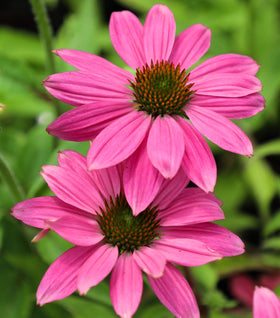
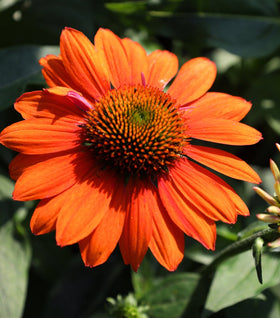
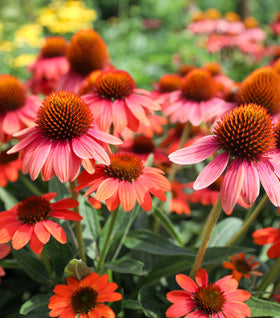
PowWow Wild Berry Coneflower
As Low As $19.95





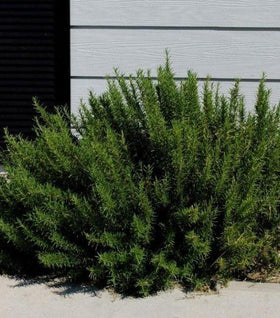


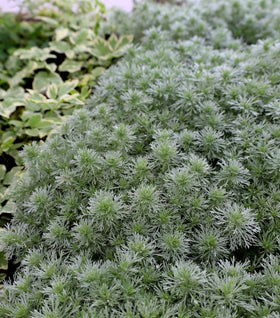
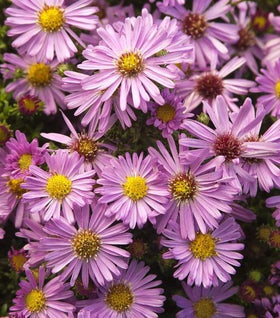
Sheffield Pink Chrysanthemum
$29.95
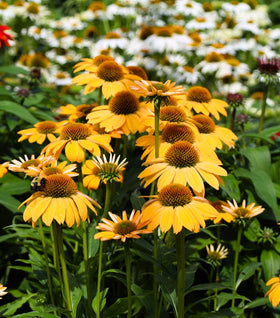
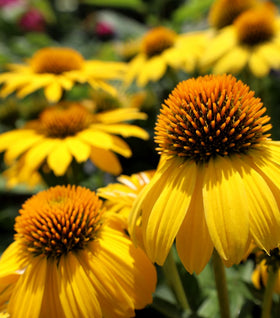
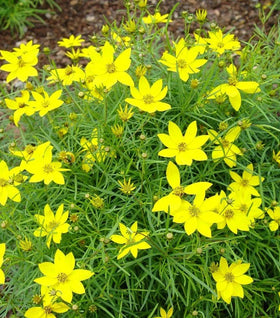
Sombrero Lemon Yellow Coneflower
As Low As $42.95



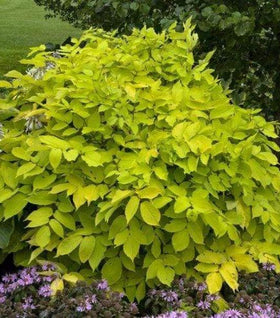


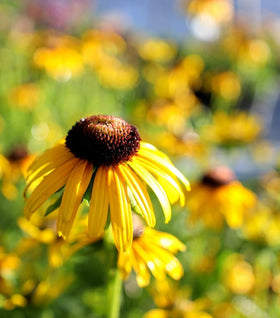
Viette’s Little Suzy Black Eyed Susan
$26.95


Turn dry spots into dependable color.
A water-wise perennial bed starts with the right expectation: you’re building a landscape that uses less water overall, not one that never needs water. Xeriscape and water-wise landscape guidance emphasizes thoughtful plant selection and efficient watering strategies, and that’s exactly how these perennials earn their keep—by thriving when the weather runs hot, and rain runs light.
These plants are especially valuable where irrigation is inconvenient or inconsistent—mailbox plantings, street-side borders, slopes, and wide sunny beds that cook in summer. In those places, a low-water plant palette reduces stress, keeps beds looking intentional, and helps you avoid the midseason “crisp and tired” look that happens when thirsty plants are pushed beyond their comfort zone.
Design-wise, drought tolerance gives you freedom: repeat a few long-running bloomers for color blocks, weave in airy texture for movement, and anchor corners with strong forms. When you plan the bed as a system (sun + drainage + water habits), you get the kind of planting that looks great after a quick summer shower—and still looks good when that shower doesn’t come.
Choose heat-ready blooms and tough texture.
Expect flowers that carry from late spring into fall when you mix bloom windows—catmint and salvias often lead early, summer brings waves of daisy-style bloomers like coneflowers, and late summer into fall is where sturdy, sun-loving perennials can really shine. The goal is overlap: a few reliable “workhorse” plants that keep color moving while everything else takes turns.
Mature size is a major factor in drought tolerance because crowded plants compete for moisture and airflow. As a practical planning guide, extension resources commonly recommend spacing dwarfs about 6–12 inches apart, intermediate perennials about 12–18 inches apart, and taller perennials about 18–36 inches apart, then adjusting based on each plant’s mature width and habit.
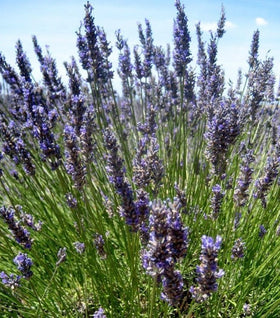
Growth rate is typically steady rather than frantic—many drought-tough perennials bulk up over seasons, not weeks—so the bed improves year after year. For example, lavender is often described as reaching roughly 1–2 feet tall and wide (variety-dependent) and spaced for airflow, which helps it maintain a neat shape and avoid issues in humid stretches.
Plant for sun, slope, and low-water zones.
Start with siting: most classic drought-tolerant bloomers prefer strong light and perform best in full sun to part sun with well-drained soil. If you’re working with a slope or fast-draining soil, that’s not a problem—it’s often an advantage—because water-wise design is about matching plants to the way your site naturally behaves.
Use hydrozones to keep watering efficient: group plants with similar water needs so you’re not overwatering the tough plants or underwatering the thirstier ones. Extension guidance specifically recommends creating watering zones and grouping plants by similar water needs, which is one of the simplest ways to reduce irrigation while keeping everything healthier.
For spacing, here are dependable ranges you can actually plant by: many upright, clump-forming perennials do well around 12–18 inches on center, while larger clumps and taller bloomers often land around 18–24 inches (or more), depending on mature width. As real-world examples, authoritative references commonly place English lavender at about 18–24 inches apart, and purple coneflower is often listed at about 18–24 inches apart—both to allow airflow and room to develop.
Keep it thriving with simple, water-wise care.
The first-year watering rhythm matters more than anything else. Even low-water plants benefit from consistent establishment watering—many water-wise planning resources recommend a deep soak roughly weekly during establishment—then tapering as roots expand. A common perennial care rule of thumb is about an inch of water per week for established plants, with emphasis on deep watering rather than frequent light sprinkling.
Pruning and deadheading keep these beds looking fresh without adding work. Deadheading is widely recommended to divert energy from seed production toward more flowers, and some perennials (including catmint/Nepeta) can produce a strong second flush when cut back after flowering. For general herbaceous perennials, cutting back after flowering is also a recognized maintenance practice to encourage new growth and prevent lankiness.