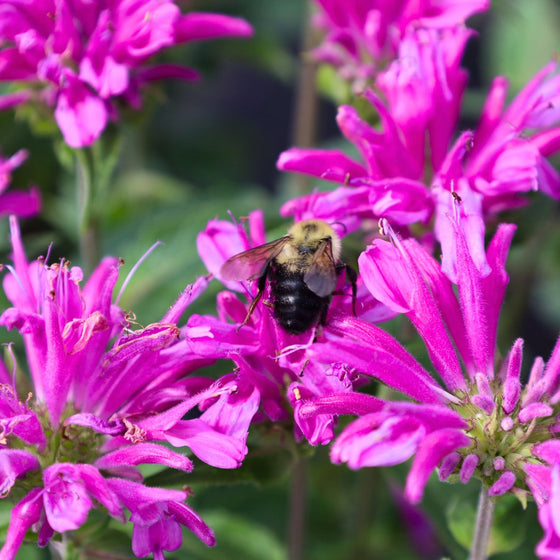


Images Depict Mature Plants
Petite Delight Bee Balm
Monarda didyma 'Petite Delight'
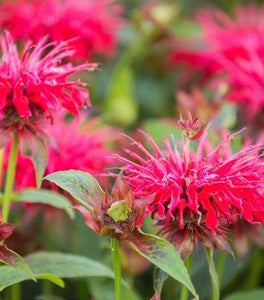
I love Monarda Petite Delight because it gives you the full bee balm experience, lavender-rose blooms, that spicy, fragrant foliage, and a steady stream of pollinators, without taking over the bed. It’s the kind of compact perennial you can use in a small border or a patio container and still feel like you planted something meaningful for hummingbirds and bees. Keep it evenly moist in summer, give it a little breathing room, and deadhead regularly for more color.

15% OFF SITEWIDE, USE CODE 'FALLPLANT15'
📦 Free shipping on orders over $99.
Delay shipping by leaving us a message at Checkout.
Share:Recommended Add-Ons


Petite Delight Bee Balm For Compact Color And Pollinator-Filled Summer Beds
Dwarf bee balm that fits where full-size monarda can’t
Petite Delight Bee Balm is the answer for gardeners who love monarda but don’t have room for a 3–4 foot plant. This variety stays compact and clump-forming, creating a tidy oval mound that slides easily into smaller borders, foundation beds, and front-of-bed plantings without overpowering neighbors. It’s a “right-sized” perennial that still looks substantial, with full foliage, upright bloom stems, and a shape that reads intentional all season.
Because it’s naturally smaller, it also solves design problems: tight side yards, courtyard beds, and the sunny spots where you want pollinator value without tall stems leaning into walkways. Use it as a repeating accent to stitch a border together, or plant a small drift for a concentrated pop of summer color that feels refined rather than wild.
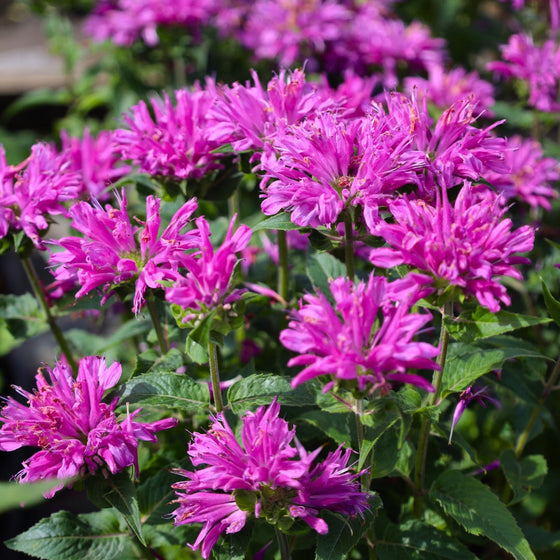
Lavender-rose blooms with the classic bee balm look
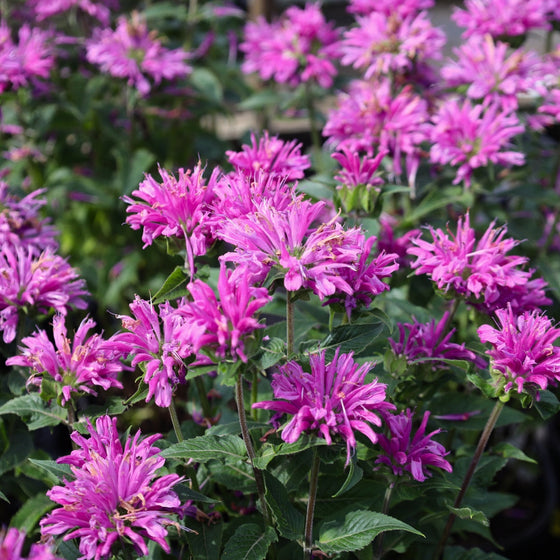
When Petite Delight blooms, it delivers that unmistakable bee balm texture—rounded terminal heads packed with tubular flowers in a lavender-rose palette. The color plays beautifully with purples, blues, and soft yellows, and it pairs easily with salvias, catmint, coneflowers, and ornamental grasses. The blooms arrive in summer and can continue well into the season when you keep up with deadheading.
The foliage is glossy green and pleasantly fragrant when brushed, adding a sensory layer that makes the planting feel “alive,” especially along paths. You get the bee balm experience, color, texture, scent, and movement, without the oversized footprint that can make traditional monarda harder to place.
Pollinator magnet in a cleaner, more manageable package
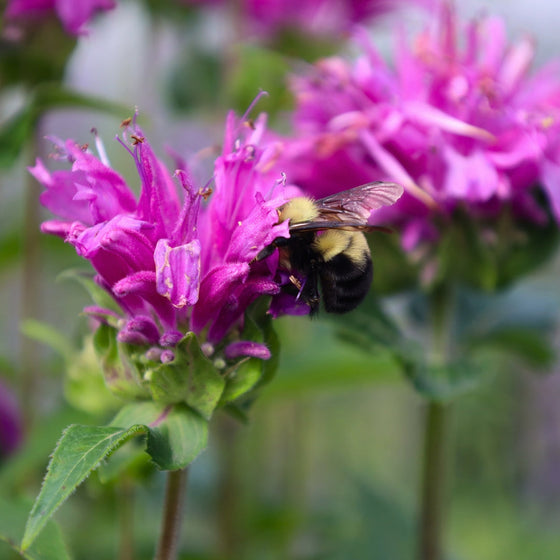
Bee balm is famous for bringing in pollinators, and Petite Delight keeps that promise. Bees, butterflies, and hummingbirds use it as a summer stop, and because the plant is compact, it’s easy to place close to patios and seating where you’ll actually enjoy the activity. It’s a simple way to add biodiversity and garden “energy” in a small space.
For best-looking foliage, treat airflow like part of the planting plan. Even good-performing monardas appreciate sun and breathing room, especially in humid weather. Space plants so air can move between clumps, water at the base, and avoid letting the planting dry out repeatedly during the heat. Those basics keep the plant fuller, greener, and more polished.
Container-ready color with easy bloom-boosting maintenance
Petite Delight is an excellent bee balm for containers because it stays compact and doesn’t demand a massive pot to look balanced. Use it as a thriller in sunny patio containers or as a feature in a pollinator pot with trailing annuals and fine-textured companions. In-ground, it’s equally useful for edging and small beds where you want a crisp, contained perennial.
Maintenance is straightforward: deadhead spent blooms to encourage new flowers, and give the plant a light trim if it starts to look tired midseason. Every few years, dividing the clump helps refresh vigor and keeps the mound dense. With the right spacing, consistent moisture, and simple deadheading, Petite Delight becomes a long-blooming, low-fuss perennial that earns repeat planting in multiple spots.
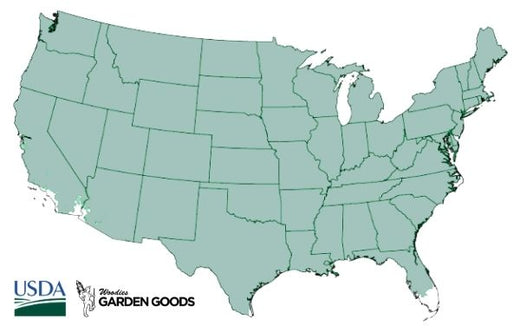
| Hardiness Zone: | 3-9 |
|---|---|
| Mature Height: | 1 to 2 Feet |
| Mature Width: | 1 to 2 Feet |
| Sunlight: | Full Sun to Part Shade |
| Bloom Time / Color | Summer into late season; lavender-rose |
| Soil Condition: | Moist but well-draining soil; adaptable when established |
| Water Requirements: | Water regularly until established; keep evenly moist in summer heat |
| Wildlife Value | Attracts bees, butterflies, and hummingbirds |
| Resistance (deer/disease/drought/etc.) | Deer and rabbit resistant; manage powdery mildew with sun + airflow |
| Landscape Uses | Mixed borders, mass planting, pollinator gardens, edging, small gardens, containers, cut flowers |
How to Care for Petite Delight Bee Balm
Before you purchase your Petite Delight Bee Balm, be sure to read the recommended care instructions to ensure your plant remains happy and healthy for years to come!
-v1772658828076.png?92x91)
How should I plant Monarda Petite Delight?
Plant Monarda Petite Delight in spring or early fall in full sun to part shade with soil that drains well while staying consistently moist. Dig a hole about twice as wide as the root ball, set the plant at the same depth it was growing in the pot, backfill, and water deeply to settle. Add a 2–3-inch mulch layer to stabilize moisture, keeping it slightly away from the crown. Choose a site with good air movement and avoid crowding it between dense plants. If you’re planting a group, lay them out first so spacing is consistent—this one step helps foliage stay cleaner and keeps each clump looking like a neat, compact mound.
-v1772658852094.png?89x84)
How often should I water Monarda Petite Delight after planting?
Water thoroughly right after planting, then keep the root zone evenly moist for the first 6–8 weeks. A good starting rhythm is a deep soak once per week, increasing to 1–2 times per week during hot, dry stretches or in fast-draining soils. Water at the base to reduce leaf wetness and support cleaner foliage. Once established, Monarda Petite Delight still performs best with consistent moisture, especially while blooming in summer heat. Deep watering during drought keeps the plant sturdier and reduces stress, which helps it flower longer and maintain a fuller, greener look.
-v1772658874756.png?90x89)
When should I fertilize Monarda Petite Delight?
Fertilize in early spring as new growth starts using a balanced slow-release fertilizer, or top-dress with compost. Compost is especially helpful because it improves soil structure and moisture balance—both of which are important for bee balm performance and bloom quality. Avoid heavy feeding later in the season. Too much nitrogen can push lush, softer growth that flops and reduces airflow through the clump. A moderate spring feed is usually enough to support strong flowering without increasing maintenance.

When and how should I prune Monarda Petite Delight?
Deadhead spent blooms as they fade to encourage additional flowering and keep the plant looking fresh. If the clump starts to look tired midseason, a light trim can stimulate new growth and tidy the mound without sacrificing the compact habit that makes this variety so useful. After flowering or after frost, cut stems back to the ground and remove old debris. Clean end-of-season cleanup supports a healthier restart in spring, and dividing the clump every 2–3 years helps refresh vigor and keeps the plant dense and well-behaved.