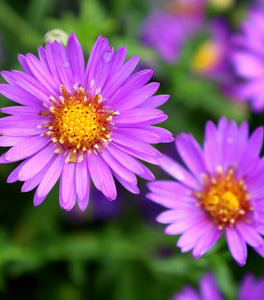
Images Depict Mature Plants
Aster October Skies
Symphyotrichum oblongifolium ‘October Skies’
Aster October Skies is a great choice when you want fall color without a tall, floppy aster taking over the border. I like it near walkways, in pollinator gardens, and planted in groups where the lavender-blue flowers can really show up. Give it full sun, good drainage, and enough air movement, and it becomes one of the easiest ways to keep the garden colorful late in the season.

15% OFF SITEWIDE, USE CODE 'FALLPLANT15'
📦 Free shipping on orders over $99.
Delay shipping by leaving us a message at Checkout.
Share:Recommended Add-Ons


Compact Lavender-Blue Fall Color for Native Gardens
Aster October Skies Brings Sky-Blue Color to the Fall Garden
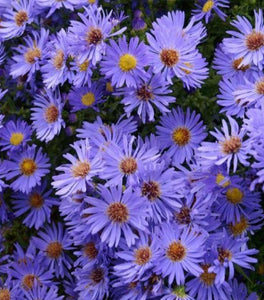
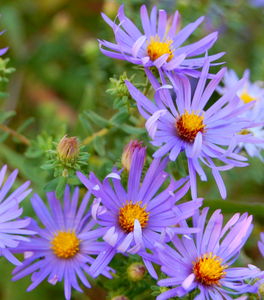
Aster October Skies is a compact aromatic aster grown for its dense mound of lavender-blue, daisy-like flowers that brighten the garden in fall. As many summer perennials slow down, this native fall aster adds fresh color, fine texture, and valuable late-season nectar for bees, butterflies, and other pollinators.
The blooms have blue to blue-purple petals surrounding golden yellow centers, creating a soft but noticeable fall display. Plant it where you want a lower, more controlled aster that still delivers the classic autumn flower show homeowners expect from native asters.
A Compact Native Aster That Stays Tidy in Borders
Unlike taller asters that can lean or need support, Aster October Skies forms a naturally bushy, low mound. Mature plants are commonly listed at 18 to 24 inches tall, with a spread of 2 to 3 feet in the landscape.
That compact habit makes it especially useful near walkways, along the front of perennial borders, in cottage gardens, and in pollinator beds where a taller aster would feel too loose or heavy. It also works beautifully in small-space native gardens where gardeners want fall color without a plant that overwhelms the planting.
Lavender-Blue Flowers for Pollinator Gardens and Mass Plantings
Aster October Skies is at its best when planted in groups. A single plant adds a nice pop of fall color, but a drift creates a wide wash of lavender-blue flowers that looks natural, cheerful, and highly seasonal. Use it in mass plantings, meadow edges, native perennial beds, and fall garden refreshes.
Its bloom time is especially valuable because late-season flowers support pollinators as they prepare for cooler weather. Pair October Skies with Black Eyed Susan, Coneflower, Sedum, Little Bluestem, Salvia, Catmint, Goldenrod, or ornamental grasses for a layered sunny border with strong summer-to-fall continuity.
Aromatic Foliage, Deer Resistance, and Low-Maintenance Care
Aster October Skies is part of the aromatic aster group, known for foliage that releases a pleasant herbal scent when crushed. That aromatic foliage also helps make this perennial generally considered deer-resistant and rabbit-resistant, although no plant is completely browse-proof under heavy pressure.
This is a tough, low-maintenance perennial once established. It handles full sun, well-drained soil, dry sites, and poorer soils better than many moisture-loving perennials. For the best performance, avoid soggy winter soil and overly crowded conditions, both of which can increase disease pressure on asters.
Drought-tolerant once established, But Best with Good Drainage
Aster October Skies is drought-tolerant once established, making it a strong choice for sunny, lower-water plantings. It is especially useful in dry borders, native gardens, slopes, and low-maintenance landscapes where steady fall color is needed without constant irrigation.
During the first growing season, water regularly to help the root system settle in. After establishment, occasional deep watering during long dry spells is usually enough. For a denser, more flower-filled plant, you may pinch or lightly cut back the stems in late spring to early summer, then let the plant set buds for its fall
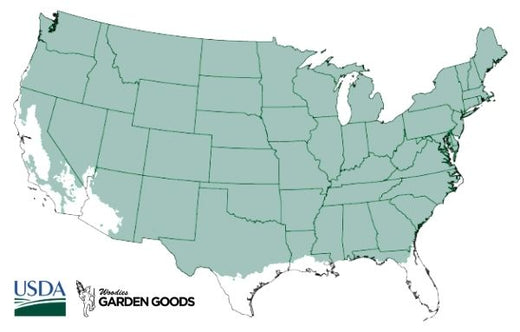
| Hardiness Zone: | 3-8 |
|---|---|
| Mature Height: | 18 to 36 Inches |
| Mature Width: | 18 to 24 Inches |
| Sunlight: | Full sun preferred; tolerates light shade |
| Soil | Well-drained soil; tolerates dry, average, poor, rocky, or sandy soils |
| Water | Water regularly during establishment; drought tolerant once established |
| Bloom Time / Color | Late summer to fall; lavender-blue to sky-blue flowers with yellow centers |
| Ornamental Features | Compact mounded habit, heavy fall bloom, lavender-blue flowers, yellow centers, aromatic foliage |
| Wildlife Value | Attracts bees, butterflies, skippers, and other late-season pollinators |
| Resistance | Generally considered deer resistant and rabbit resistant; drought tolerant once establishedGenerally considered deer resistant and rabbit resistant; drought tolerant once established |
| Landscape Uses | Pollinator gardens, native gardens, front borders, mass plantings, cottage gardens, meadow edges, fall color beds |
How to Care for Aster October Skies
Before you buy an Aster October Skies, make sure to read about the recommended care instructions to keep this plant healthy and thriving.

How should I plant Aster October Skies?
Plant Aster October Skies in full sun to light shade with well-drained soil. Dig a hole about twice as wide as the root ball and just as deep as the container. Set the crown level with the surrounding soil, backfill with native soil, and water thoroughly after planting. For a full border or mass planting, space plants about 18 to 24 inches apart. Use closer spacing only when you want faster coverage. Add a light layer of mulch to help conserve moisture, but keep mulch pulled back from the crown to reduce the chance of rot or excess moisture around the stems.
-v1760100951450.png?89x84)
How often should I water Aster October Skies after planting?
Water Aster October Skies deeply after planting, then keep the root zone evenly moist during the first few weeks. During the first growing season, water whenever the top few inches of soil become dry, especially during hot or windy weather. Once established, October Skies Aster is drought-tolerant and usually needs supplemental watering only during extended dry periods. Avoid keeping the soil constantly wet, particularly in winter, because poorly drained soil can weaken asters and increase disease problems.

When should I fertilize Aster October Skies?
Fertilize Aster October Skies lightly in early spring if needed. A thin topdressing of compost or a modest application of slow-release balanced fertilizer is usually enough for healthy growth and good fall flowering. Avoid heavy nitrogen feeding. Too much fertilizer can push soft, leafy growth at the expense of a tight habit and heavy bloom. In average garden soil, this native perennial often performs well with little added fertilizer once established.

When and how should I prune Aster October Skies?
For a fuller, denser plant, pinch or lightly cut back Aster October Skies in late spring to early summer before flower buds form. This optional trim can encourage branching and help the plant maintain a compact, rounded shape. After flowering, you can either leave the stems standing for winter texture and wildlife value or cut the plant back after a hard frost. Many gardeners wait until late winter or early spring, then cut old stems down close to the ground before new growth begins.