
Blueberry Bushes
Grow fresh fruit, spring flowers, and four-season beauty at home.
Blueberry bushes do more than fill a bowl in summer. They bring spring flowers, fresh-picked fruit, handsome structure, and rich fall color to the landscape in one easy, hard-working shrub. For homeowners who want edible beauty, for landscapers who want plants that earn their footprint, and for gardeners who appreciate a shrub that looks as good as it tastes, this is one of the smartest collections to plant. Blueberries fit beautifully into dedicated berry rows, mixed edible borders, foundation beds, and even larger patio containers when the variety and soil are right. They offer a clean, refined look in the garden, but they also reward you with a true harvest. That combination of ornamental value and usefulness makes them feel like a better investment than many purely decorative shrubs.
What matters most with blueberries is setting the right expectations and using the right setup. They like sun, acidic soil, steady moisture, and enough room to mature into healthy, productive plants. Get those basics right, and they are surprisingly manageable. Many gardeners also love that blueberries can serve double duty as informal hedges, soft property dividers, and edible accents in more design-driven plantings. This collection is built for gardeners who want strong performance, practical guidance, and the confidence that comes with the We Grow Together Promise. Whether you are planting for fruit production, seasonal color, pollinator activity, or a more useful landscape overall, blueberry bushes are a rewarding choice with long-term value.
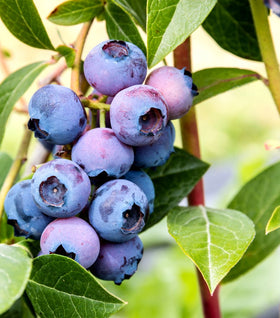
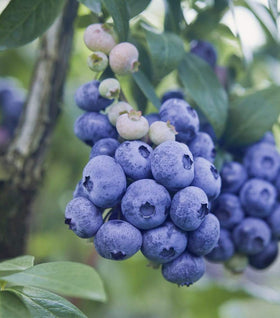
Patriot Blueberry Bushes
As Low As $37.95
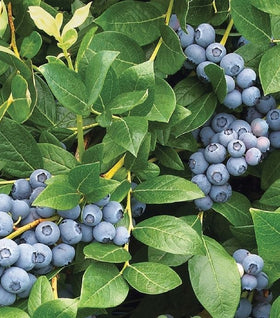

Pink Lemonade Blueberry Bushes
As Low As $39.95


Pick blueberry bushes that work harder in your landscape.
Blueberry bushes are among the best examples of plants that earn their space in more than one way. They flower in spring, fruit in summer, and often finish the season with showy red, orange, or burgundy foliage. That makes this collection appealing to gardeners who want beauty and harvest in the same planting plan. Instead of treating edible plants as something to tuck away in a back corner, blueberry shrubs let you integrate them into the landscape's visual framework. They can soften the edge of a patio, add rhythm to a foundation bed, or create a productive border along a fence or property line.
This collection also gives gardeners flexibility in scale and style. Some blueberry bushes stay relatively compact and are easier to work into smaller gardens, raised beds, or decorative containers, while more vigorous selections can become substantial shrubs that fill out a hedge or anchor a mixed planting. That range makes blueberry bushes a strong option for both first-time berry growers and experienced gardeners building a more intentional edible landscape. When you are shopping a collection like this, you are not just shopping for fruit. You are shopping for seasonal interest, structure, and a plant that can serve ornamental and practical duties at the same time.
Blueberries are also a strong fit for gardeners who want to grow more at home without creating a high-maintenance project. Once they are planted correctly in well-prepared soil, they can be dependable, attractive, and long-lived. They pair naturally with other acid-loving plants and can be used in traditional garden beds, kitchen gardens, cutting-edge edible landscapes, and even container displays that mix utility with style. For homeowners, they make the yard feel more personal and productive. For landscapers, they offer a shrub that checks a surprising number of design and performance boxes.
See the fruit, flowers, and fall color you are planting for.
Blueberry bushes offer much more than berries alone. In spring, they carry clusters of small bell-shaped flowers in shades of white to blush pink, adding a soft, refined look as the garden begins to wake up. Those blooms are valuable to early pollinators and give the shrubs an ornamental quality before fruit even begins to form. As the season progresses, the berries shift from green to blue, creating that signature summer look people expect from a productive blueberry planting. The fruiting season can stretch across weeks or even months when early-, mid-, and late-season varieties are combined.
The shrubs themselves vary in habit, but most home gardeners can expect a tidy, upright to gently spreading form. Depending on cultivar and type, mature plants can range from compact container-friendly shrubs to larger bushes that reach roughly 4 to 8 feet tall, with some needing about 3 to 6 feet of room within the planting depending on vigor. Growth is generally slow to moderate, especially in the early years, and blueberries often spend their first seasons building roots and framework before hitting full stride. That slower establishment is worth understanding up front because it leads to better long-term performance and a more balanced, productive plant.
Seasonal interest is one of the real selling points of this collection. Blueberries are not a one-season crop shrub. Their foliage can read clean and fresh through the growing season, then intensify into warm fall tones that give them real landscape presence after the harvest is finished. In the right setting, they can look polished enough for front-yard planting while still functioning as productive fruit shrubs. That combination of flowers, berries, foliage, and manageable habit is what makes blueberry bushes such a useful and satisfying category to plant.
Plant them where the sun, spacing, and drainage are set up for them to thrive.
Blueberry bushes perform best in locations that give them strong light, good drainage, and room for air movement. Full sun is the goal for the heaviest flowering and fruiting, although some light shade can be tolerated in certain settings. In practical landscape terms, that means they do best in open beds, edible borders, raised rows, and sunny side yards where the soil can be prepared properly. Avoid low, wet pockets where water lingers after rain. Blueberries have shallow roots and are very sensitive to soggy soil, so a site that stays damp too long can quickly lead to stress and decline.
Spacing matters more than many gardeners expect. Compact selections may work at about 3 to 4 feet apart, while more vigorous highbush or rabbiteye types are often better with 5 to 6 feet or more between plants, especially when you want easier harvest access, better air circulation, and healthier long-term growth. For hedge-style planting, blueberries can create a beautiful edible screen, but they still need enough breathing room to avoid overcrowding. That spacing also makes pruning simpler and helps reduce pressure from foliar diseases by letting light and air move through the planting.
These shrubs are excellent for more than just berry patches. They can line a driveway garden, soften a fence, define an edible foundation border, or add seasonal interest to a pollinator-friendly landscape. Container growing is also an option when gardeners use an appropriately acidic, well-drained mix and choose a variety suited to pot culture. In the ground or in containers, blueberry bushes work best when treated as intentional landscape plants rather than afterthoughts. Give them the right placement, and they reward you with stronger growth, better fruiting, and a far more attractive overall planting.
Grow with more confidence from planting day to harvest.
Successful blueberry growing starts below ground. These shrubs need acidic soil, ideally within a range that allows them to access nutrients efficiently and avoid the yellowing and stress that come with overly alkaline conditions. Well-drained soil enriched with organic matter is ideal, and many gardeners improve planting areas with bark, peat-based amendments, or other acid-friendly materials before the shrubs ever go in the ground. Mulch is a major part of the care plan, too. A few inches of pine bark, pine needles, or similar mulch helps conserve moisture, suppress weeds, and protect those shallow roots from heat and drought stress.
Watering should be steady, especially while plants are establishing and while fruit is sizing up. Blueberries do not like to dry out completely, but they also do not like to sit in waterlogged soil. That balance is especially important in containers, raised beds, and sandy soils, which can dry more quickly. Fertilizing is usually best handled with light spring feeding using products suited to acid-loving plants, with soil testing guiding adjustments over time. Overfeeding or using the wrong product can create more problems than it solves, so a measured approach is the smart one.
Pruning is straightforward once you understand the timing. Most annual structural pruning is done while plants are dormant in late winter or early spring, before strong new growth starts. The goal is to remove dead, weak, crowded, or aging wood and keep the plant open enough for light penetration and easier picking. Some size control can also happen right after harvest, but late-season pruning should be avoided because it can remove next year’s flower buds. Gardeners should also watch for common cautions such as birds stealing ripening fruit, chlorosis caused by high soil pH, root problems in poorly drained sites, and occasional disease or pest pressure, including mummy berry and spotted wing drosophila. With the right siting and a simple yearly routine, blueberry bushes are highly rewarding, productive shrubs that keep getting better with time.