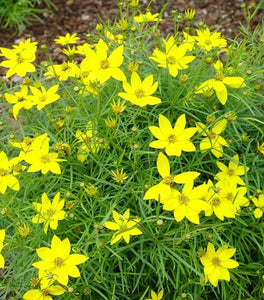
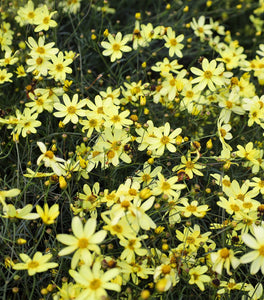
Images Depict Mature Plants
American Dream Coreopsis
Coreopsis rosea 'American Dream'
American Dream Coreopsis is a nice change from the yellow tickseed varieties most gardeners are familiar with. The rose-pink flowers are beautiful, especially when planted in groups, and the fine foliage gives the entire plant a soft, airy appearance. I particularly like it near the front of a sunny border with blue Catmint, purple Salvia, and white Shasta Daisies. One important thing to remember is that this isn't quite as drought tolerant as many other Coreopsis varieties. Give it good drainage but don't let it stay severely dry during summer. Keep the spent flowers trimmed, manage the spreading clumps as needed, and you'll have a beautiful display of pink flowers that attracts butterflies and adds a softer touch to the garden.
$22.36 with code SAVINGS20 at checkout Save $5.59
📦 Free shipping on orders over $99.
Delay shipping by leaving us a message at Checkout.
Share:Recommended Add-Ons



Beautiful Rose-Pink Coreopsis Flowers for Sunny Summer Gardens
Delicate Pink Daisy Flowers That Stand Out from Yellow Coreopsis
American Dream Coreopsis brings a refreshing change of color to the traditional tickseed garden. Instead of the bright yellow flowers commonly associated with Coreopsis, this distinctive perennial produces beautiful rose-pink, daisy-like flowers with cheerful golden-yellow centers. Botanically known as Coreopsis rosea ‘American Dream’, this selection combines abundant summer flowering with a soft, natural appearance that works beautifully in cottage gardens, perennial borders, and pollinator-friendly landscapes.
The small, star-shaped flowers appear above fine-textured green foliage, creating an airy display that looks especially attractive when several plants are grouped together. Their gentle pink coloration complements blue, purple, white, and yellow summer flowers without overwhelming neighboring plants. For homeowners looking for a pink Coreopsis that offers a different appearance from traditional yellow tickseed, American Dream is an excellent choice.
Abundant Rose-Pink Flowers Throughout the Summer
One of the greatest attractions of American Dream Coreopsis is its generous summer display of flowers. Small rose-pink blossoms with bright yellow centers begin to appear in summer, often reaching their peak in July and August. Under favorable growing conditions, flowering can continue later into the season, particularly when spent blossoms are removed and the plant receives consistent moisture.
Each flower may be relatively small, but mature plants produce enough blooms to create an impressive effect across the foliage. The flowers appear to float above the slender leaves, giving the plant a soft, meadow-like appearance. Plant American Dream in groups for a colorful drift of pink flowers, or use individual clumps throughout a sunny border to repeat its delicate summer color.
Fine, Threadlike Foliage Creates a Soft Garden Texture
American Dream Coreopsis is attractive even when its flowers are not at their peak. Its narrow, threadlike green leaves form delicate, spreading clumps that resemble a soft carpet of fine foliage. This airy texture contrasts beautifully with larger-leaved perennials such as Coneflowers, Sedum, Bee Balm, and Salvia, creating visual interest beyond flower color alone.
The plant typically grows 12 to 18 inches tall, spreading as its rhizomes develop. In favorable moist, well-drained soil, established plants may form colonies that gradually fill open spaces. This natural spreading habit makes American Dream particularly useful for informal edging, naturalized borders, and small areas where a flowering groundcover effect is desired. Because it can spread more vigorously in ideal conditions, allow adequate room and divide clumps as necessary.
A Beautiful Pink Coreopsis for Butterflies and Cottage Gardens
American Dream Coreopsis is a valuable addition to gardens designed around summer flowers and visiting pollinators. Its open, daisy-like blossoms provide accessible floral resources for butterflies, bees, and other beneficial insects. The pink petals and yellow centers create an appealing combination that attracts attention without overpowering the softer colors often associated with cottage-style gardens.
For a beautiful planting combination, grow American Dream alongside purple Salvia, blue Catmint, white Shasta Daisies, Yarrow, and compact ornamental grasses. The fine foliage blends naturally between neighboring perennials, while the pink flowers add a gentle layer of color throughout summer. It also works well near garden paths, at the front of mixed borders, and in larger containers where the spreading stems have room to develop.
Easy-Care Pink Tickseed That Appreciates Consistent Moisture
American Dream Coreopsis grows best in full sun with consistently moist but well-drained soil. Unlike many yellow-flowering Coreopsis varieties that thrive in very dry conditions, Coreopsis rosea is naturally associated with moist, sandy environments and does not tolerate prolonged drought as well. This distinction is especially important for gardeners who assume that all tickseed plants have identical growing requirements.
Provide regular watering while the plant establishes and continue supplemental watering during extended hot, dry periods. Avoid heavy, waterlogged soil, since excessive moisture around the crown can lead to decline. Deadhead spent flowers to encourage additional blooming, and lightly shear the plant after the main summer display if the stems become open or untidy. Hardy in cold climates and generally considered deer resistant, American Dream provides attractive pink flowers and fine-textured foliage when planted in a suitable location with reliable moisture.
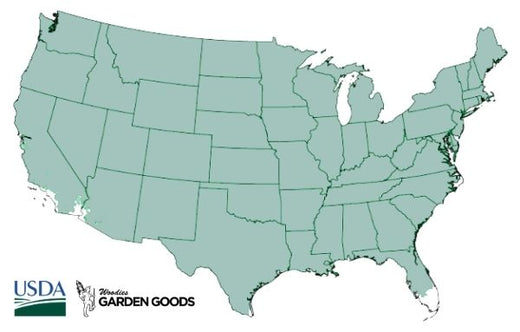
| Hardiness Zone: | 3-9 |
|---|---|
| Mature Height: | 12 to 18 Inches |
| Mature Width: | 18 to 24 inches wide; spread may increase in favorable conditions |
| Sunlight: | Full sun preferred |
| Soil | Moist but well-drained soil; sandy or loamy soils preferred |
| Water | Moderate; maintain consistent moisture, especially during summer heat |
| Bloom Time / Color | June to August, sometimes extending into early fall; rose-pink flowers with yellow centers |
| Ornamental Features | Rose-pink flowers; yellow centers; threadlike foliage; spreading garden habit |
| Wildlife Value | Attracts butterflies, bees, and other flower-visiting insects |
| Resistance | Generally considered deer resistant |
| Landscape Uses | Sunny borders; cottage gardens; pollinator gardens; edging; naturalized plantings; mass plantings; containers; flowering groundcover |
How to Care for American Dream Coreopsis
Be sure to read our planting instructions to ensure a healthy and happy American Dream Coreopsis for years to come!

How should I plant American Dream Coreopsis?
Plant American Dream Coreopsis in full sun, selecting a location that receives at least six hours of direct sunlight daily. Choose moist but well-drained soil, preferably with a sandy or loamy texture that allows excess water to move away from the crown. Dig a planting hole approximately twice as wide as the root ball and just as deep, then position the plant so the crown remains level with the surrounding soil. Backfill gently, water thoroughly, and apply a light layer of mulch without covering the crown. Space plants approximately 18 to 24 inches apart to allow room for their spreading growth habit. American Dream looks beautiful alongside Salvia, Catmint, Yarrow, Coneflowers, and compact ornamental grasses. In naturalized gardens, the plant may gradually spread by rhizomes to fill open areas. If you prefer a more formal planting, leave enough room to manage expanding clumps and remove unwanted seedlings as necessary.

How often should I water American Dream Coreopsis after planting?
Water American Dream Coreopsis thoroughly immediately after planting, then maintain consistent soil moisture while the roots become established. During the first growing season, check the soil regularly and water deeply when the upper inch or two begins to dry. Because Coreopsis rosea prefers more moisture than many other tickseed species, avoid allowing the root zone to remain severely dry for prolonged periods. Once established, American Dream still performs best when the soil receives reasonably consistent moisture, particularly during summer flowering. Supplemental irrigation may be necessary during extended heat or drought. Avoid constantly saturated soil, especially in heavy clay, since poorly drained conditions can damage the crown and roots. Light mulching can help conserve moisture without creating excessive moisture around the base.

When should I fertilize American Dream Coreopsis?
American Dream Coreopsis generally requires little supplemental fertilizer when grown in reasonably fertile garden soil. In early spring, apply a light layer of compost or a modest amount of balanced slow-release perennial fertilizer if plant growth suggests additional nutrients are needed. Follow the fertilizer manufacturer's directions and avoid placing concentrated fertilizer against the crown. Excessive fertilization, particularly with high-nitrogen products, can encourage overly soft foliage and weak stems at the expense of flowers. Too much fertility may also cause the plant to spread more vigorously. Proper sunlight, adequate moisture, and good drainage are more important for healthy growth and flowering than frequent fertilizer applications.

When and how should I prune American Dream Coreopsis?
Deadhead American Dream Coreopsis regularly throughout summer by removing faded flowers to maintain a tidy appearance and encourage additional blooms. Because the plant produces many small flowers, individually removing every spent blossom can become time-consuming. After the main summer flowering display, lightly shear the stems if the plant begins looking open, tangled, or tired. This can encourage fresh growth and may stimulate another flowering period. In late fall or early spring, remove dead stems and foliage to make room for fresh growth. If established clumps become overly dense or spread beyond their intended space, divide them during spring and replant healthy sections. Regular division can also help rejuvenate older plants and maintain attractive foliage and flowering performance.