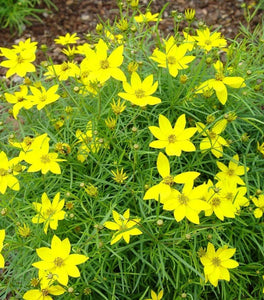
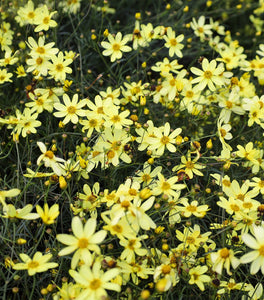
Images Depict Mature Plants
Mercury Rising Coreopsis
Coreopsis × 'Mercury Rising'
Mercury Rising is worth planting for anyone who likes Coreopsis performance but wants something richer than the usual yellow flowers. The wine-red blooms are especially good beside blue salvia, lavender Agastache, or golden ornamental grasses. The plant’s width is the detail to remember—it stays low but travels outward, so give it room. More importantly, do not pamper it with rich soil and constant water. Sun, lean soil and excellent drainage will produce a tighter plant and give it the best chance of returning year after year.

20% Off Sitewide Sale!
Use Code 'ENDOFSEASON20' At Checkout
📦 Free shipping on orders over $99.
Delay shipping by leaving us a message at Checkout.
Share:Recommended Add-Ons



Velvety Wine-Red Flowers from Summer into Fall
A Hardy Red Coreopsis That Breaks Away from Traditional Yellow
Mercury Rising Coreopsis brings an entirely different color palette to the sunny perennial garden. Instead of the golden-yellow flowers associated with most tickseed plants, this distinctive hybrid produces rich wine-red to deep burgundy blooms surrounding small, bright golden centers.
The velvety flower color creates a warm, saturated display that stands out beautifully against green foliage. It also combines easily with white, pink, lavender, blue, orange, and gold companion plants, giving gardeners more design flexibility than a conventional yellow Coreopsis.
Mercury Rising belongs to the Big Bang™ series developed for improved hardiness, longer flowering, vigorous growth, and unusual flower colors. It provides the visual drama of a tender red Coreopsis while offering perennial performance in suitable Zone 5 through Zone 9 gardens.
This is not an upright, narrow tickseed. The plant remains relatively low while its well-branched stems spread outward, creating a broad flowering mound that can fill the front or middle of a sunny bed.
Velvety Burgundy Flowers Keep Appearing for Months
Mercury Rising begins flowering in early to midsummer and can continue producing blooms until hard frost. Its sterile or nearly sterile flowers direct relatively little energy into seed production, helping the plant keep developing new buds over an unusually long season.
Each daisy-like flower can reach approximately 1½ to nearly 2 inches across. Deep red ray petals surround a frilly golden-yellow center, producing a crisp contrast that remains visible from across the landscape.
Flower color can change slightly with the weather. Creamy white tips or streaks may appear on the red petals during periods of intense heat or as seasonal conditions change. This is a natural characteristic of the cultivar rather than a sign of damage or incorrect labeling.
In regions with very hot summers, flowering may slow during the hottest part of the season and resume as temperatures moderate. A light midsummer shear can tidy the plant, encourage fresh growth, and support a renewed fall display.
A Low, Broad Habit for Borders, Containers, and Mass Plantings
Mercury Rising Coreopsis generally reaches approximately 16 to 18 inches tall while spreading 30 to 36 inches wide. Its low, outward-growing stems create a broad mound that fills considerably more horizontal space than its height might suggest.
Use it near the front of a perennial border, along a sunny walkway or in a broad mass planting where the stems have room to spread. The wine-red flowers make a strong transition between taller purple, pink, and gold perennials.
Mercury Rising also performs well in patio containers with dependable drainage. Its wide habit can soften the edge of a large planter, while the continuous red flowers provide months of color near decks, entrances, and outdoor seating areas.
Give each plant enough room to develop. Crowding can reduce airflow and make the naturally spreading stems look tangled. In rich or frequently irrigated soil, the plant may open in the center or sprawl more than it would in average, leaner soil.
Pollinator-Friendly Flowers Without Unwanted Heavy Seeding
The open, daisy-like blooms are easy for bees, butterflies, and other beneficial insects to visit. Their long flowering season helps provide a dependable source of nectar and pollen from summer into fall.
Mercury Rising produces little to no viable seed under normal conditions. That means it is less likely to scatter large numbers of volunteer seedlings through the garden than fertile Coreopsis cultivars.
Low seed production also reduces the need for constant deadheading. Gardeners can still remove faded flowers for a cleaner appearance, but the plant continues blooming because it does not quickly shift all its energy into developing seeds.
Mercury Rising is a hybrid derived from North American Coreopsis breeding lines rather than a straight native species. It works well in pollinator-friendly and native-inspired landscapes, but it should be considered a native-rooted hybrid rather than a local ecotype or a straight species wildflower.
Full Sun and Sharp Drainage Are the Keys to Long-Term Success
Plant Mercury Rising Coreopsis in full sun for its densest habit, strongest stems, and heaviest flower production. It can tolerate light partial sun, but too much shade may reduce flowering and increase the plant’s tendency to spread open.
Average to lean, well-drained soil is ideal. The plant tolerates sandy soil, dry soil, and occasional drought after establishment, but it does not perform well where winter moisture remains around the crown.
Water regularly during the first growing season, then allow the upper soil to dry slightly between waterings. Avoid heavy fertilizer, excessive compost, and frequent irrigation, all of which can encourage soft, sprawling growth.
Mercury Rising was bred for strong resistance to powdery mildew and leaf spot, although regional performance can vary in humid climates. Full sun, generous spacing, and soil-level watering remain important. In the Mid-Atlantic, excellent winter drainage is especially valuable because wet soil can reduce longevity even where winter temperatures fall within the stated hardiness range.
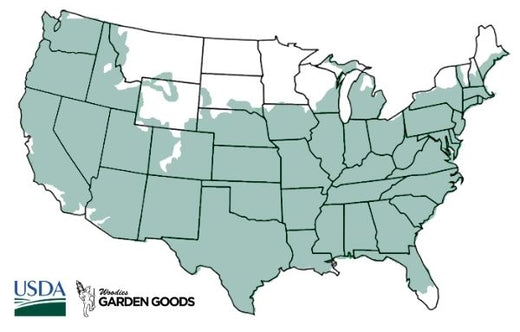
| Hardiness Zone: | 5-9 |
|---|---|
| Mature Height: | 16 to 18 Inches |
| Mature Width: | 30 to 36 inches |
| Sunlight: | Full sun is best; tolerates light partial sun |
| Soil | Average to lean, sharply drained soil; adaptable to loam, sand and well-drained clay |
| Water | Dry to average once established; water regularly during the first growing season |
| Bloom Time / Color | Early or midsummer until frost; velvety wine-red to burgundy flowers with bright golden-yellow centers |
| Ornamental Features | Deep red flowers; golden centers; occasional cream-white petal tips; broad flowering mound; fine-textured green foliage |
| Wildlife Value | Flowers attract bees, butterflies and other beneficial pollinating insects |
| Resistance | Bred for strong powdery mildew and leaf-spot resistance; generally considered deer and rabbit resistant; tolerates heat and occasional drought |
| Landscape Uses | Front and middle borders; cottage gardens; pollinator gardens; mass plantings; walkway edging; rock gardens; patio containers; cut-flower gardens |
How to Care for Mercury Rising Coreopsis
Be sure to read our planting instructions to ensure a healthy and happy Mercury Rising Coreopsis for years to come!
-v1785778833657.png?92x91)
How should I plant Mercury Rising Coreopsis?
Choose a location with full sun and soil that drains quickly after rain. Dig a planting hole approximately twice as wide as the nursery container but no deeper than the root ball. Set the crown level with or slightly above the surrounding soil. Backfill with the loosened native soil, press gently around the roots and water thoroughly. Space multiple plants approximately 30 to 36 inches apart to accommodate their broad habit. Apply a light layer of mulch, but keep it away from the crown so winter moisture does not collect around the plant.
-v1785778834255.png?89x84)
How often should I water Mercury Rising Coreopsis after planting?
Water deeply immediately after planting and maintain moderate moisture during the first growing season. Check the soil regularly and water when the upper one or two inches begin to dry. Once established, Mercury Rising tolerates occasional drought and prefers to dry slightly between waterings. Avoid keeping the soil continuously moist. Container-grown plants need more frequent checks because their potting mix dries faster during summer.
-v1785778834860.png?90x89)
When should I fertilize Mercury Rising Coreopsis?
Apply a light layer of compost or a modest dose of balanced slow-release fertilizer in early spring as new growth begins. In average garden soil, additional feeding may not be necessary. Avoid heavy applications of high-nitrogen fertilizer. Overfeeding can produce soft stems, fewer flowers and a loose or sprawling plant. Leaner soil generally results in sturdier growth and better long-term performance.

When and how should I prune or cut back Mercury Rising Coreopsis?
Deadheading is optional because Mercury Rising produces little viable seed and continues flowering without constant removal of every spent bloom. Trim individual faded flowers when a neater appearance is desired. When the plant becomes loose or tired during midsummer, shear the stems back by approximately one-third to one-half. Water afterward to encourage fresh growth and fall rebloom. Cut the remaining stems back after frost or during late-winter cleanup.