

Images Depict Mature Plants
Rozanne Geranium
Geranium ‘Gerwat’
Rozanne Geranium is the hardy geranium to choose when you want a long bloom season and easy color that works through the garden instead of standing stiffly in one spot. It has a graceful spreading habit, so give it room and let it weave between other perennials. I like it near roses, salvia, catmint, and yellow-flowering perennials where the violet-blue flowers really stand out.

15% OFF SITEWIDE SALE
Use Code 'PRIMETIME15' At Checkout
📦 Free shipping on orders over $99.
Delay shipping by leaving us a message at Checkout.
Share:Recommended Add-Ons



Long-Blooming Hardy Geranium for Borders, Groundcover, and Easy Summer Color
Rozanne Geranium Blooms for Months with Violet-Blue Flowers
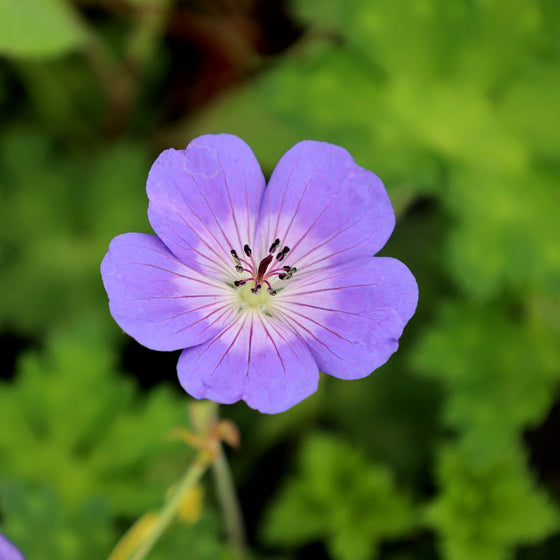
Rozanne Geranium is one of the most popular hardy geraniums for homeowners who want long-lasting color without high-maintenance care. Also searched as Geranium Rozanne or Rozanne Cranesbill, this perennial produces violet-blue flowers with white centers and purple veining over a spreading mound of green foliage.
The bloom season is the biggest reason gardeners love Rozanne. While many hardy geraniums flower mainly in spring, Rozanne can keep blooming from late spring or early summer into fall when conditions are favorable. That long flower window makes it especially valuable in mixed perennial borders, cottage gardens, rose beds, walkway edges, and pollinator plantings.
A Hardy Perennial Geranium, Not an Annual Geranium
Rozanne Geranium is a true hardy perennial geranium, which means it returns year after year in suitable growing zones. It is not the same as the annual geraniums commonly sold for summer pots and bedding displays. Those tender annual types are usually Pelargonium, while Rozanne is a hardy cranesbill geranium.
This distinction matters for homeowners. Rozanne behaves like a landscape perennial, spreading and filling the garden rather than acting like a one-season bedding plant. It gives you the soft, colorful look of a geranium with better long-term value in perennial beds.
Spreading Growth for Borders, Edging, and Flowering Groundcover
Rozanne Geranium grows in a broad, mounding habit that commonly reaches about 12 to 24 inches tall and spreads about 18 to 30 inches wide. Its stems can weave gracefully between nearby plants, making it useful as a soft edging plant, a front-of-border perennial, or a flowering groundcover in smaller areas.
Use Rozanne along walkways, spilling near low walls, underplanting roses and shrubs, or repeated through sunny mixed borders. Its violet-blue flowers pair beautifully with yellow, white, pink, purple, silver, and burgundy companions. It is especially effective near Salvia, Catmint, Yarrow, Coreopsis, Roses, Heuchera, Sedum, Lavender, and ornamental grasses.
Full Sun to Part Shade with Easy, Adaptable Care
Plant Rozanne Geranium in full sun to part shade. In cooler climates, full sun usually gives the strongest flowering. In hotter regions, light afternoon shade can help keep the foliage looking fresh through summer.
Rozanne prefers average to fertile, well-drained soil with moderate moisture. Once established, it can tolerate some drought, but it flowers best when the plant is not kept overly dry for long periods. Avoid soggy soil, especially around the crown, and give plants enough space for airflow in humid gardens.
Deer Resistant, Rabbit Resistant, and Easy to Refresh
Rozanne Geranium is generally considered deer-resistant and rabbit-resistant, making it a practical choice for borders where browsing can be an issue. It also attracts butterflies, bees, and other pollinators when in bloom, adding movement and life to the garden.
Maintenance is simple. If the plant begins to look tired in midsummer, lightly shear it back to refresh the foliage and encourage a cleaner mound. Water after shearing to help new growth push. In late winter or early spring, remove old foliage before fresh growth begins.
Perennial Plant of the Year 2008
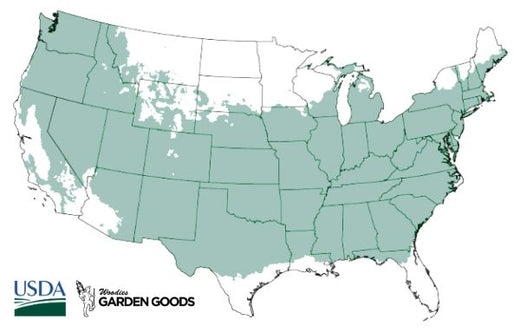
| Hardiness Zone: | 5-8 |
|---|---|
| Mature Height: | 12 to 24 Inches |
| Mature Width: | 18 to 30 Inches |
| Sunlight: | Full sun to part shade |
| Soil | Average to fertile, well-drained soil |
| Water | Moderate moisture during establishment; tolerates some drought once established |
| Bloom Time / Color | Late spring or early summer into fall; violet-blue flowers with white centers and purple veining |
| Ornamental Features | Long bloom season, violet-blue flowers, white eye, purple veining, spreading mounded habit |
| Wildlife Value | Attracts butterflies, bees, and other pollinators |
| Resistance | Generally considered deer resistant and rabbit resistant; tolerates some drought once established |
| Landscape Uses | Mixed borders, cottage gardens, rose underplanting, walkway edging, small flowering groundcover areas, mass plantings, pollinator gardens |
How to Care for Rozanne Geranium
Be sure to read our planting instructions to ensure a healthy and happy Rozanne Geranium for years to come!
-v1782754827941.png?92x91)
How should I plant Rozanne Geranium?
Plant Rozanne Geranium in full sun to part shade with well-drained soil. Dig a hole about twice as wide as the root ball and just as deep as the container. Set the crown level with the surrounding soil, backfill with loosened native soil, and water thoroughly after planting. Space plants about 18 to 30 inches apart depending on how quickly you want the bed to fill in. Rozanne has a spreading, weaving habit, so give it enough room to move through nearby perennials without crowding smaller plants.
-v1782754852415.png?89x84)
How often should I water Rozanne Geranium after planting?
Water Rozanne Geranium deeply after planting, then keep the soil evenly moist while the roots establish. During the first growing season, water when the top few inches of soil become dry, especially during hot or windy weather. Once established, Rozanne tolerates some drought, but it flowers best with moderate moisture. If the plant is grown in full sun or near thirsty shrubs and trees, occasional deep watering during dry spells helps maintain bloom and foliage quality.
-v1782754870248.png?90x89)
When should I fertilize Rozanne Geranium?
Fertilize Rozanne Geranium lightly in early spring if needed. A thin layer of compost or a modest application of slow-release balanced fertilizer is usually enough to support healthy foliage and steady flowering. Avoid heavy fertilizing. Too much nitrogen can encourage leafy growth without improving bloom quality. In most garden soils, compost, mulch, and consistent watering during dry periods are more important than frequent feeding.

When and how should I prune / cut back Rozanne Geranium?
Lightly shear Rozanne Geranium in midsummer if the foliage begins to look tired or the plant becomes too loose. Cutting it back by about one-third can refresh the mound and encourage new growth. Water after pruning to help the plant recover. In late winter or early spring, remove old foliage before new growth begins. Rozanne does not usually need precise deadheading because its sterile flowers keep the bloom season going without heavy seed production.