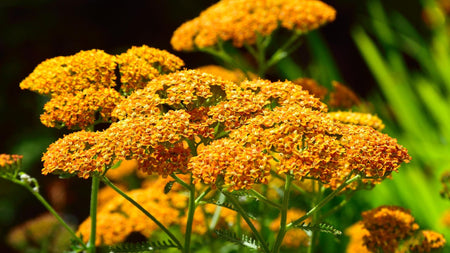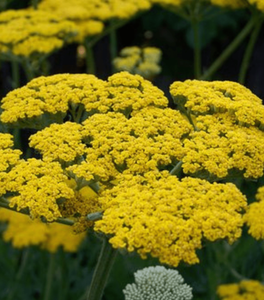


Images Depict Mature Plants
Common Yarrow (Achillea Millefolium)
Achillea millefolium
I've grown and worked with yarrow for many years, and Common Yarrow is one of those plants that really proves you don't need rich soil and constant attention to have a beautiful flowering garden. What I particularly like about Achillea millefolium is the combination of those delicate white flower clusters and the soft, fern-like foliage. It's a great plant for bringing a natural meadow look into sunny landscapes, and the pollinator activity around the flowers is always impressive. I especially recommend Common Yarrow for wildflower meadows, dry slopes, and informal perennial plantings where its natural spreading habit becomes an advantage. One thing I always tell gardeners is that yarrow performs better in lean, well-drained soil than in heavily fertilized beds. Too much water or fertilizer can actually make it grow poorly and flop over. I also think it's important to understand that this is the straight species, so it can spread considerably more than some of the compact ornamental yarrow cultivars. If you're planting a tightly controlled border, you'll need to monitor that growth. But if you want a hardy, drought-tolerant perennial that attracts beneficial insects and provides beautiful white flowers, Common Yarrow is an outstanding choice.
$21.56 with code WEEKEND20 at checkout Save $5.39
📦 Free shipping on orders over $99.
Delay shipping by leaving us a message at Checkout.
Share:Recommended Add-Ons


Common Yarrow – A Drought-Tolerant Wildflower for Pollinators and Sunny Gardens
Delicate White Summer Flowers Create a Beautiful Meadow Effect
Common Yarrow produces broad, flat-topped clusters of small white flowers that create an attractive horizontal layer above its feathery green foliage. Each flower cluster consists of numerous tiny flower heads arranged closely together, giving the blooms a soft, almost lace-like appearance. Flowering generally begins in late spring or early summer and may continue through much of the warmer season, depending on the climate and growing conditions. The white flowers provide a refreshing contrast to more colorful perennials, allowing Common Yarrow to serve as a unifying element in mixed flower beds and naturalized gardens.
The distinctive flower shape also creates excellent opportunities for combining Common Yarrow with plants that have contrasting forms. Pair its flattened white flower clusters with the upright blooms of salvia, the daisy-like flowers of coneflowers, or the rounded flower heads of sedum to build a garden with interesting layers of texture. Its naturally informal appearance is especially well suited to cottage gardens, prairie-style plantings, and wildflower meadows. Regularly removing spent flower stems can encourage a tidier appearance and may extend flowering when growing conditions are favorable. The flowers are also valued for cutting and drying, making them useful beyond the garden.
Soft Fern-Like Foliage Adds Texture Throughout the Growing Season
One of Common Yarrow's most attractive characteristics is its finely divided, aromatic green foliage, which gives the plant a soft and delicate appearance even when it is not flowering. The leaves are deeply dissected into numerous narrow segments, creating the feathery texture that makes Achillea millefolium so recognizable. This foliage grows close to the ground before the flowering stems rise above it, producing an attractive layered effect. The plant's fine texture makes it particularly useful for softening the appearance of larger-leaved perennials, ornamental shrubs, and structural grasses.
The foliage also contributes to Common Yarrow's adaptability. Its aromatic character makes it generally less appealing to browsing deer and rabbits, while the plant's tough perennial root system allows it to recover from periods of environmental stress. In sunny, well-drained locations, the foliage creates a low, spreading foundation beneath the summer flowers. This makes Common Yarrow useful in naturalized beds where a combination of flowering height and ground-level coverage is desirable. Because the species can spread through underground rhizomes, homeowners should provide adequate space or plan for occasional division when growing it near less vigorous plants.
A Valuable Pollinator Plant for Bees and Beneficial Insects
Common Yarrow is particularly valuable in gardens designed to support bees, butterflies, hoverflies, and other beneficial insects. Its numerous small flower heads create accessible feeding opportunities for a variety of insects throughout the flowering season. Unlike flowers with deep, tubular structures, yarrow's shallow blossoms allow many small insects to reach their floral resources. This makes it a useful addition to pollinator-friendly landscapes where supporting a diversity of insect species is an important objective.
Yarrow flowers can also attract lady beetles, lacewings, hoverflies, and beneficial parasitic insects that contribute to the natural balance of garden ecosystems. Many of these insects feed on other garden pests at some point in their life cycles, making their presence valuable in landscapes where gardeners want to encourage biological pest management. Combine Common Yarrow with coneflowers, black-eyed Susans, butterfly weed, and other sun-loving flowering perennials to provide a succession of blooms. Its generous summer flowering and natural spreading habit make it especially effective in wildlife gardens, meadow plantings, and informal perennial borders.
Exceptional Drought Tolerance for Dry, Sunny Garden Areas
Common Yarrow is an outstanding choice for homeowners who need flowering perennials that tolerate dry soil, summer heat, and limited irrigation. Once established, the plant's extensive root system allows it to endure periods of reduced rainfall that may stress more moisture-dependent garden plants. It grows particularly well in average to lean soils and can adapt to sandy, gravelly, and other well-drained growing conditions. This makes Common Yarrow useful for sunny slopes, dry garden borders, roadside-style plantings, and low-water landscapes where frequent watering is impractical.
One of the most important things to understand about growing yarrow is that excellent drainage is more valuable than rich soil. Common Yarrow often develops stronger, sturdier growth in moderately fertile or relatively poor soil than it does in heavily amended garden beds. Excessive moisture and nitrogen-rich fertilizers can encourage weak, floppy stems and increase the possibility of root problems. Although newly planted yarrow needs consistent watering while its roots establish, mature plants generally perform best when allowed to experience natural drying between rainfall or irrigation events. For gardeners seeking to reduce landscape water needs, Common Yarrow offers an attractive alternative to more demanding flowering perennials.
Perfect for Wildflower Meadows, Slopes, and Cottage Gardens
Common Yarrow is especially well-suited to wildflower meadows, naturalized perennial plantings, sunny slopes, and informal cottage gardens, where its spreading growth habit contributes to the overall design. The species develops underground rhizomes that allow it to gradually expand into surrounding open soil, forming colonies over time. In meadow-style landscapes, this ability to spread can help create a more natural appearance while reducing the amount of exposed ground between plants. Its summer flowers add soft white color, while its feathery foliage blends easily with ornamental grasses and other native-style perennials.
For homeowners creating a relaxed garden with seasonal movement and pollinator activity, Common Yarrow can become an important supporting plant. It works beautifully with switchgrass, coneflowers, black-eyed Susans, butterfly weed, and other sun-loving meadow species. Its flowers have a different shape from the upright, daisy-like blooms of many perennial companions, adding visual variety without overwhelming the planting. Because Common Yarrow can spread aggressively in favorable conditions, it is best used where that natural growth pattern is welcome. In smaller or formal beds, periodic division and removal of unwanted shoots will help maintain the intended design.
Beautiful Fresh and Dried Flowers for Cutting Gardens
Common Yarrow is not only attractive in the landscape but also a useful addition to cut-flower gardens and dried floral arrangements. Its flat white flower clusters provide a light, airy element that complements the rounded, upright blooms of more traditional cut flowers. The branching flower stems make it particularly effective as a filler flower, adding texture and helping connect different colors and flower shapes in mixed arrangements. White yarrow pairs beautifully with colorful coneflowers, black-eyed Susans, salvias, and other summer-blooming garden flowers.
For dried arrangements, harvest healthy flower stems when the blooms are fully developed and before they begin to deteriorate. The flower heads generally retain their distinctive flattened shape as they dry, making them useful for natural arrangements, wreaths, and seasonal decorations. Cutting spent flower stems also helps keep garden plantings tidy and can reduce unwanted self-seeding. Common Yarrow is particularly appealing to gardeners who want flowers that serve several purposes, offering ornamental value outdoors while providing attractive material for indoor arrangements. Its combination of durability and floral versatility makes it a worthwhile addition to sunny cutting gardens.
Easy-Care Perennial Performance with Long-Term Garden Value
Common Yarrow performs best when planted in full sun, preferably receiving at least six hours of direct sunlight daily. Although it tolerates some light shade, excessive shade often produces weaker stems and fewer flowers. The plant adapts to many soil types but performs especially well where drainage is reliable and fertility is moderate to low. Once established, it requires relatively little attention beyond occasional deadheading and monitoring its spread. Avoid heavy fertilization, as excessive nutrients can produce tall, weak growth and reduce the plant's naturally tidy appearance.
To keep Common Yarrow healthy and manageable, cut back spent flower stems after the first major flowering period and divide spreading clumps every few years when necessary. Division helps maintain vigor while preventing the plant from overwhelming neighboring perennials. In regions with hot, humid summers, good air circulation and drainage are particularly important because prolonged moisture can contribute to declining foliage and root problems. With appropriate placement and occasional maintenance, Common Yarrow can provide years of natural-looking flowers, attractive foliage, and valuable pollinator activity. For homeowners seeking a hardy, drought-tolerant wildflower that performs beautifully in sunny landscapes, it remains one of the most practical perennial choices.
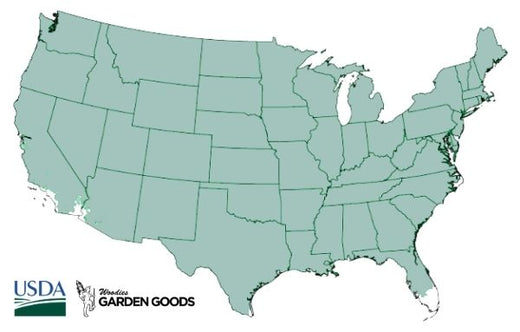
| Hardiness Zone: | 3-9 |
|---|---|
| Mature Height: | 1 to 3 Feet |
| Mature Width: | 1 to 3 feet initially; colonies may spread farther |
| Sunlight: | Full sun; tolerates light shade |
| Soil | Average to lean; sandy or loamy; well-drained |
| Water | Low once established |
| Bloom Time / Color | Late spring through summer; varies by region; Primarily white; occasional pale pink forms |
| Ornamental Features | White flowers; fern-like foliage; natural meadow texture |
| Wildlife Value | Bees; butterflies; hoverflies; lady beetles; other beneficial insects |
| Resistance | Generally deer resistant; drought tolerant once established; tolerant of poor soil and dry conditions |
| Landscape Uses | Pollinator gardens; meadows; slopes; cottage gardens; cutting gardens |
How to Care for Common Yarrow (Achillea Millefolium)
Be sure to read our planting instructions to ensure a healthy and happy Common Yarrow for years to come!

How should I plant Common Yarrow?
Plant Common Yarrow in a location receiving at least six hours of direct sunlight each day. Full sun encourages strong stems, abundant flowers, and a more compact growth habit. The plant prefers well-drained, average to lean soil and does not require heavily amended planting beds. Sandy, gravelly, and moderately fertile soils are generally suitable, provided water does not remain around the roots for extended periods. Dig a hole approximately as wide as the root ball and no deeper than its original planting depth. Place the crown level with the surrounding soil, backfill gently, and water thoroughly after planting. Space individual plants approximately 18 to 24 inches apart, allowing additional room where natural spreading is desired. Common Yarrow is particularly effective in sunny meadow plantings, wildflower gardens, slopes, and informal perennial borders. Because it spreads through underground rhizomes, avoid placing it immediately beside delicate or slow-growing perennials that could become crowded. A thin layer of mulch can help conserve moisture during establishment, but avoid burying the crown. Good drainage and adequate sunlight are the two most important requirements for successful long-term growth.

How often should I water Common Yarrow after planting?
Water Common Yarrow thoroughly after planting, then maintain lightly moist but well-drained soil during establishment. Newly installed plants need regular attention while their roots expand into the surrounding soil. Check moisture several inches below the surface and irrigate when the root zone begins to dry. During hot or windy weather, watering may be necessary more frequently, while rainfall and cooler temperatures reduce irrigation requirements. Avoid keeping the soil constantly saturated, since prolonged wet conditions can encourage root problems and weaken the plant. Once Common Yarrow is established, it becomes highly drought tolerant and usually requires little supplemental irrigation in garden soil. Its spreading root system helps it access moisture during periods of reduced rainfall. During extended drought, occasional deep watering may help maintain healthy foliage and flowering, but frequent shallow irrigation is generally unnecessary. Container-grown plants require closer monitoring because potting soil dries more quickly than garden soil. For the best long-term results, allow the soil to dry moderately between waterings rather than maintaining continuously wet conditions.

When should I fertilize Common Yarrow?
Common Yarrow generally performs best with very little supplemental fertilizer. In average garden soil, established plants often grow and flower satisfactorily without additional feeding. In fact, overly fertile soil can encourage excessive leafy growth, weak stems, and a floppy appearance. Before adding fertilizer, evaluate the plant's sunlight, soil drainage, and overall growth. Many apparent nutrient problems result from excessive shade or poor drainage rather than insufficient fertility. If the soil is unusually poor and plant growth remains weak, a light application of compost or a modest amount of balanced, slow-release fertilizer in early spring may be beneficial. Avoid high-nitrogen fertilizers and repeated applications throughout the growing season. Common Yarrow is naturally adapted to lean soils, so aggressive feeding usually provides little advantage. The objective is to maintain strong flowering stems and healthy foliage without encouraging excessive vegetative growth. For most established plants, proper drainage and full sunlight are more important than fertilizer.

When and how should I prune Common Yarrow?
Common Yarrow benefits from deadheading and selective cutting after its first major flowering period. Once the white flower clusters begin to fade, cut the spent stems back toward healthy foliage to improve the plant's appearance and reduce self-seeding. This practice may also encourage additional flowering when moisture and temperatures remain favorable. If the plant becomes tall or floppy, a more substantial cutback after flowering can help encourage fresh, compact growth. Always use clean pruning tools and avoid damaging the crown. In late winter or early spring, remove old stems and dead foliage before new growth begins. Because Common Yarrow spreads through underground rhizomes, divide established clumps every two to three years when necessary to maintain vigor and manage their size. Lift unwanted sections carefully and remove excess roots from areas where further spreading is undesirable. Regular deadheading can limit seed dispersal, but it will not prevent rhizomatous expansion. In formal perennial beds, monitor spreading growth and remove unwanted shoots promptly to keep neighboring plants from becoming crowded.