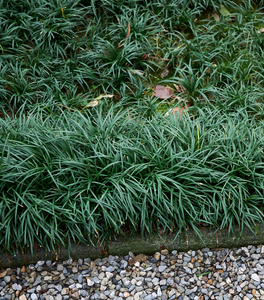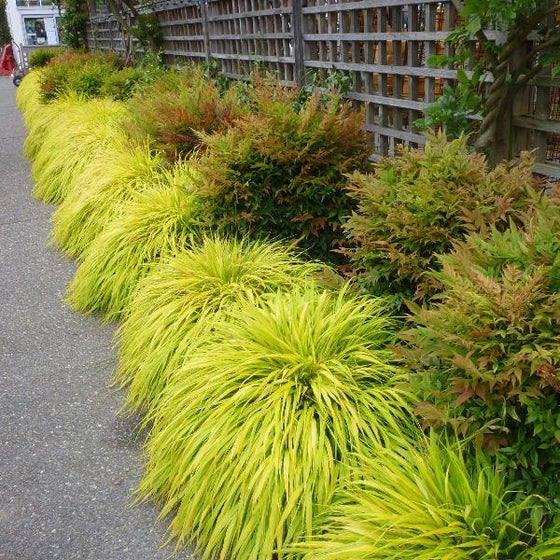


Images Depict Mature Plants
Golden Japanese Forest Grass
Hakonechloa macra 'Aureola'
Golden Japanese Forest Grass is one of the best grasses for shade because it gives you movement, color, and softness all at once. The golden striped foliage glows near hostas, ferns, hellebores, and dark-leaved plants, and the cascading habit makes it perfect along paths or spilling over low walls. It is not a fast grower, but that is part of its charm—it stays graceful, manageable, and refined.

20% Off Sitewide Sale!
Use Code 'ENDOFSEASON20' At Checkout
📦 Free shipping on orders over $99.
Delay shipping by leaving us a message at Checkout.
Share:

A Golden Shade Grass with Graceful Cascading Texture
Gold-Striped Foliage That Brightens Shade
Golden Japanese Forest Grass is a graceful ornamental grass grown for its arching golden foliage striped with green. Botanically known as Hakonechloa macra ‘Aureola’, this shade-loving grass brings soft movement, bright color, and a refined woodland look to areas where many ornamental grasses struggle.
The foliage creates a flowing, waterfall-like effect as the blades arch in one direction. Use it near hostas, ferns, hellebores, heuchera, brunnera, black mondo grass, Japanese painted fern, carex, and shade-loving groundcovers where its gold-and-green foliage can brighten darker planting areas.
A Classic Hakone Grass for Woodland Gardens
‘Aureola’ is one of the most recognized golden forms of Japanese Forest Grass. It has a softer, variegated look than solid-gold types, making it especially useful in naturalistic shade gardens, courtyard beds, rock gardens, woodland edges, and shaded foundation plantings.
This grass works beautifully in small groups, repeated drifts, or as a single focal accent. Its elegant arching habit gives shade beds movement without the stiff look of many upright ornamental grasses.
Compact Texture for Edging, Containers, and Borders
Golden Japanese Forest Grass forms a low, cascading mound that commonly reaches about 12–18 inches tall and 18–24 inches wide. It spreads slowly by rhizomes, creating a graceful clump over time without becoming aggressive.
Use it along shaded walkways, at the front of borders, around boulders, spilling over low walls, or in containers where the foliage can cascade over the edge. It is especially valuable in small-space gardens because it adds color and movement without overwhelming nearby plants.
Beautiful Seasonal Color Beyond Summer
The golden foliage is the main feature, but the plant also offers quiet seasonal changes. In summer, small tan to yellow-green flowers may appear in loose, nodding panicles, though they are generally not showy.
As temperatures cool in fall, the foliage may take on warm pink, red, orange, or copper tones before going dormant for winter. This seasonal shift gives Golden Japanese Forest Grass more interest than a simple foliage filler.
Low Maintenance with Shade and Moisture
Plant Golden Japanese Forest Grass in part shade with rich, moist, well-drained soil. Bright filtered light or morning sun usually brings out the best golden color. In hotter climates, afternoon shade helps prevent leaf scorch.
This grass is slow to establish but dependable once rooted. Keep the soil evenly moist, mulch to conserve moisture, and cut old foliage back in late winter or early spring before new growth emerges. Divide mature clumps in spring if you want to spread the plant or refresh older growth.
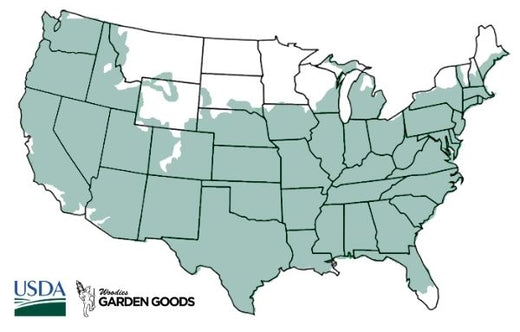
| Hardiness Zone: | 5-9 |
|---|---|
| Mature Height: | 12 to 18 Inches |
| Mature Width: | 18 to 24 Inches |
| Sunlight: | Part shade preferred; bright shade or morning sun is ideal; tolerates full shade with greener color |
| Soil | Rich, humus-rich, consistently moist, well-drained soil |
| Water Requirements: | Average |
| Bloom Time / Color | Mid to late summer; yellow-green to tan flowers are generally insignificant |
| Foliage | Narrow arching leaves variegated with gold and green; may show pink, red, orange, or copper tones in fall |
| Ornamental Features | Golden variegated foliage, cascading habit, soft texture, shade-brightening color, fall tones |
| Wildlife Value | Provides ground-level cover and texture |
| Resistance | Generally deer resistant; low maintenance; slow spreading and not considered invasive |
How to Care for Golden Japanese Forest Grass
Once you buy a Golden Japanese Forest Grass plant, make sure to read the recommended care instructions to keep it healthy and thriving.
-v1782419697869.png?92x91)
How should I plant Golden Japanese Forest Grass?
Plant Golden Japanese Forest Grass in part shade with rich, moist, well-drained soil. Choose a location where the arching golden foliage can brighten the planting, such as a shaded walkway, woodland edge, foundation bed, rock garden, container, or front of a mixed perennial border. Dig a hole about as wide as the root ball and just as deep. Set the crown level with the surrounding soil, backfill gently, and water thoroughly. Space plants about 18–24 inches apart for a flowing border or mass planting, depending on how quickly you want the planting to fill in.
-v1782419719255.png?89x84)
How often should I water Golden Japanese Forest Grass after planting?
Water Golden Japanese Forest Grass deeply after planting, then keep the soil evenly moist while roots establish. During the first growing season, water when the top few inches of soil begin to dry. Established plants still perform best with consistent moisture, especially in sunnier or warmer sites. Avoid prolonged drought, since dry conditions can reduce foliage quality and slow growth.apanese Forest Grass is best grown in rich, consistently moist, well-drained soils. This plant is native to Mount Hakone in Japan and enjoys soil similar to the cool, damp area. Hakonechloa macra Aureola is best grown in USDA zones 4 to 9.
-v1782419771146.png?90x89)
When should I fertilize Golden Japanese Forest Grass?
Golden Japanese Forest Grass usually needs little fertilizer when planted in rich garden soil. A light spring topdressing of compost or a mild slow-release fertilizer is enough for most plantings. Avoid heavy feeding, which can encourage soft growth. Proper shade, steady moisture, and organic soil are more important than frequent fertilizer.

When and how should I prune Golden Japanese Forest Grass?
Cut Golden Japanese Forest Grass back in late winter or early spring before new growth begins. Use scissors, hand pruners, or shears to remove the old dried foliage down close to the crown. This grass is deciduous, so the foliage naturally dies back in winter. Avoid cutting too late in spring once new shoots have started to emerge.